
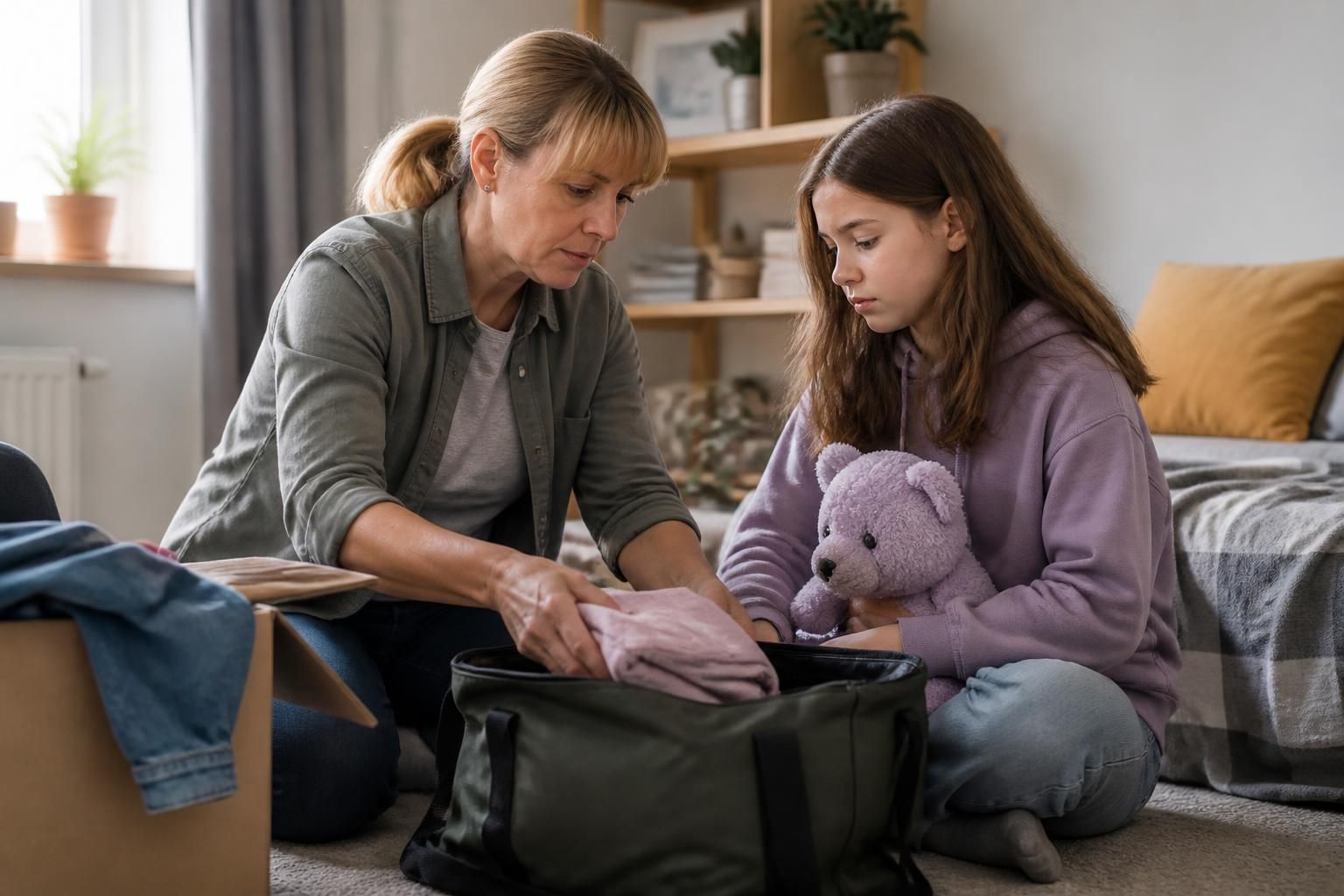
What happens when a long-term foster placement ends?
When a long-term foster placement ends, the child’s social worker plans the transition with the child, foster carers, birth family and any new carers or professionals involved. The arrangements depend on why the placement is ending, but should prioritise the child’s welfare, clear communication and support for everyone affected.
Partnering with an
Ofsted Outstanding Provider
A long-term foster placement ending means the child will move to a different care arrangement, return to their birth family, or reach a point where another plan is more suitable. Wherever circumstances allow, the move is prepared in stages so the child understands what is happening and important relationships, routines and information are not lost.
Why might a long-term placement end?
- The child may return to live with a parent or another member of their birth family.
- The care plan may change, for example if adoption, special guardianship or another permanent arrangement is being considered.
- The child’s needs may become significantly different from those the placement can safely meet.
- The foster carer’s circumstances may change, affecting their ability to continue caring.
- The placement may become unsettled or unsafe and need to end sooner than expected.
- The young person may move into supported or independent living as they approach adulthood.
The local authority remains responsible for deciding the child’s care plan. Foster carers do not normally arrange an end to a placement independently. The child’s social worker, supervising social worker and other relevant professionals should explain the proposed plan, the reasons for it and the steps that will follow.
What happens during the transition?
The arrangements depend on the reason for the move and the child’s age, understanding and needs. A planned transition may include visits to the new home, introductions to new carers, overnight stays and gradual changes to daily routines. The child should have opportunities to ask questions and express their views. Their wishes are important, although adults must also consider safety and the overall care plan.
Professionals should agree practical details such as:
- where the child will live and who will care for them;
- how school, health appointments, medication and other services will continue;
- what will happen to contact with birth relatives, foster carers and other significant people;
- which belongings, photographs, records and personal items will move with the child;
- how the child’s identity, culture, religion and important relationships will be recognised in the new arrangement;
- who the child can speak to if they become worried after the move.
If a placement has to end urgently because of a safeguarding concern or serious breakdown, there may be little opportunity for a gradual transition. The priority is then to secure a safe arrangement and provide the professionals involved with accurate information about the child’s needs, routines, risks and sources of reassurance. Further planning can take place once the immediate situation is stable.
Can foster carers stay in touch?
Ongoing contact may be possible, but it is not automatic. It must be agreed as part of the child’s care plan and should be based on the child’s welfare. Contact could involve letters, telephone calls, video calls or face-to-face meetings, depending on the circumstances. Foster carers should follow the agreed arrangements rather than making private contact plans, particularly where there are safeguarding, court or family relationship considerations.
It is also important to respect the child’s changing feelings. A child may want contact immediately, later need space, or find communication difficult after moving. The social worker can review the arrangement if it is not working for the child.
What support is available for foster carers?
Ending a long-term placement can require practical and emotional support, even when the move is the right decision. Foster carers should be offered an opportunity to discuss what happened with their supervising social worker and to take part in any relevant review. This can help clarify the reasons for the ending, consider the child’s experience and identify any learning for future placements.
Support may also include guidance on helping other household members understand the change, managing contact, organising the child’s belongings and deciding when the household is ready to consider another placement. Foster carers can ask about further training, counselling or other support available through their fostering organisation or local authority.
Allowances and other financial arrangements usually change when a child leaves, but the exact position depends on the fostering provider’s policy, the agreement in place and the reason for the move. Foster carers should ask their supervising social worker or finance contact what payments, expenses and outstanding arrangements apply, rather than making assumptions.
What should foster carers do before the child leaves?
- Ask for the transition plan in writing, including dates, contacts and arrangements for belongings and communication.
- Share practical information about routines, education, health, communication, triggers and ways the child is comforted.
- Give the child clear, age-appropriate explanations and allow them to revisit questions.
- Help the child prepare a familiar set of belongings, photographs, keepsakes and important documents.
- Record significant information for the child’s social worker, including achievements, changes in behaviour and outstanding appointments.
- Agree how the child can access support after moving and what to do if contact arrangements need reviewing.
- Seek advice about the effect on the rest of the household and any future fostering plans.
Foster carers should not interpret the end of a placement as a simple administrative change. For the child, it can involve grief, uncertainty and changes to their sense of identity. A well-organised ending protects continuity, gives the child a voice and helps everyone understand what will happen next. Your fostering organisation should continue to provide guidance through the transition and explain the practical arrangements that apply to your circumstances.

A child should be involved in decisions about the ending of a long-term foster placement in a way that matches their age and understanding. Their views can be shared through care planning meetings and reviews, and they may be able to ask for an independent advocate to help them express concerns or understand what is being proposed.
Foster carers can help by making sure the child knows who is involved, what questions they can ask and how to raise worries. They should share factual observations with the social worker, without pressuring the child to choose between important adults. If the child disagrees with the plan or feels unheard, the social worker should explain the available review, advocacy or complaints process.
Discuss what happens when a long-term foster placement ends
If you are considering long-term fostering, speak with our fostering team about how the process, planning and support could apply to your circumstances. You can ask questions before deciding whether to take the next step.