
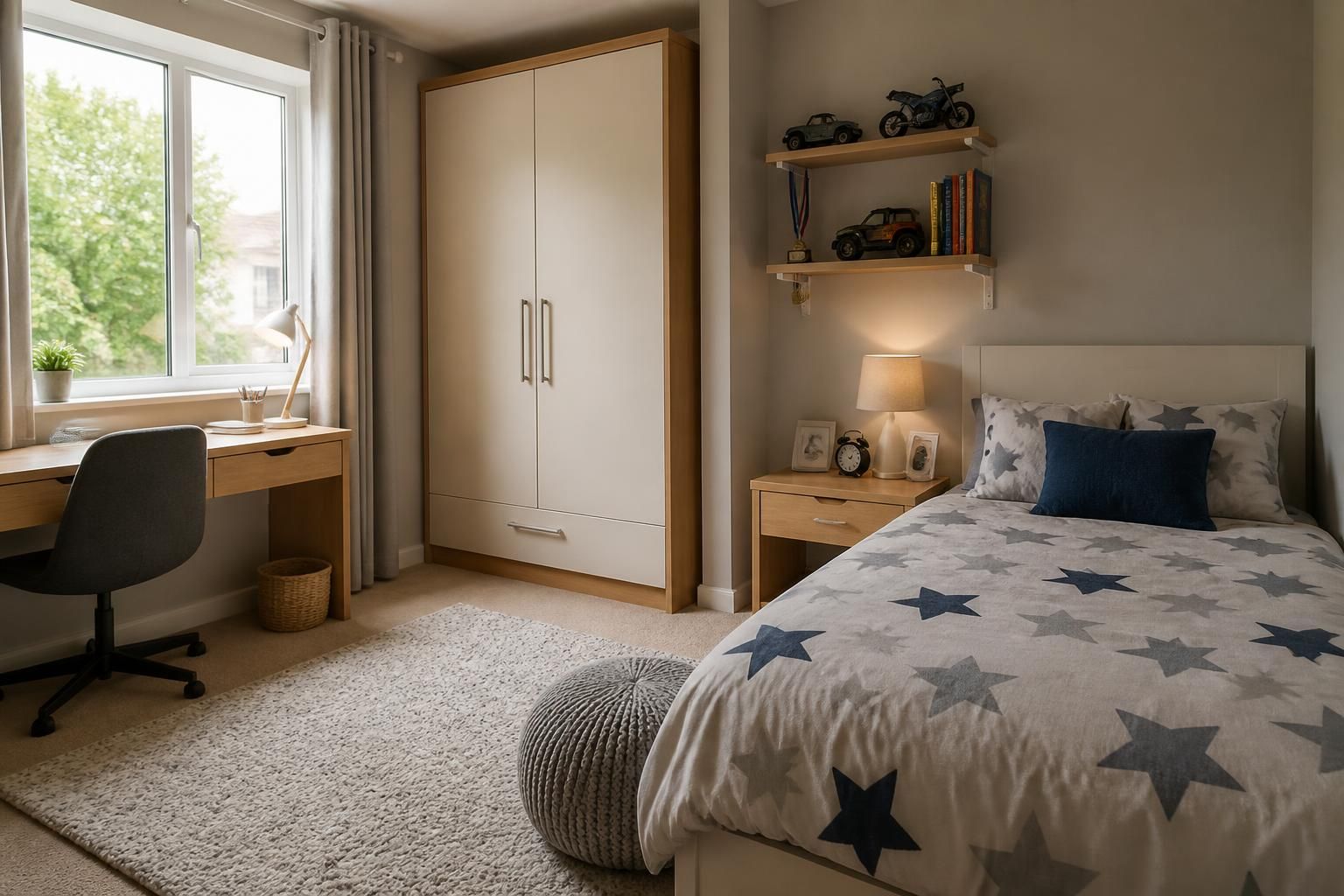
Do short-term foster carers need a spare bedroom?
Generally, yes: a short-term foster child should have their own bedroom. Limited exceptions may apply, such as an assessed sibling placement, but this depends on the children’s ages, needs and the fostering service’s approval.
Partnering with an
Ofsted Outstanding Provider
During the fostering assessment, the available bedroom will be considered as part of the overall suitability of your home. It should provide a foster child with a safe, private and suitable place to sleep, keep belongings and have personal space. The fact that a placement is short-term does not normally remove the need for appropriate sleeping arrangements.
The room does not usually need to be permanently empty before you apply. However, it must be available for the child when a placement is made and should not be used in a way that prevents them from having privacy. For example, an occasional office, storage area or guest room may need to be rearranged before a child arrives. Your fostering service will assess the room rather than relying on its label or intended use.
As part of the home assessment, the fostering service will look at practical points such as:
- whether the room is large enough and suitable for the child’s age and needs;
- safe access, ventilation, heating, lighting and furnishings;
- space for clothes, personal belongings and equipment;
- whether the child can have reasonable privacy from other household members;
- the location of the room in relation to bathrooms, communal areas and exits; and
- whether the arrangement remains appropriate if the child has additional health, mobility or supervision needs.
A bedroom used for fostering should not generally be a shared adult bedroom or a space where the child has no privacy. Rooms such as converted lofts, garages or outbuildings may require particular checks to confirm that they are safe, legally suitable and appropriate for sleeping. Your assessing social worker can explain what evidence may be needed if the room has been converted or adapted.
There can be exceptions to the usual arrangement. Siblings may sometimes share, particularly where this supports their welfare and the placement has been assessed as suitable. The decision will take account of their ages, relationships, individual needs, gender considerations, routines and any known risks. A baby or very young child may also have different sleeping arrangements from an older child, but this must be agreed as part of the care plan rather than assumed by the applicant.
Short-term fostering can involve children arriving with limited notice, so the bedroom needs to be ready for the type of placement you are approved to offer. If you are assessed to care for a particular age range, sibling group or child with specific needs, the room and wider home must be suitable for that approval. A larger room is not automatically better if it cannot provide safety, privacy or appropriate supervision.
If you have children of your own, the fostering assessment will consider how bedrooms are currently used and whether any child would lose necessary privacy or space. Your own children’s ages, views and needs will be relevant, as will the likely impact of bringing a foster child into the household. You should not agree to an arrangement that depends on your child giving up their bedroom unless this has been carefully discussed and assessed.
If you do not currently have a suitable spare room, you can still ask about fostering and discuss your circumstances. You may need to make changes to the home before progressing to approval, such as reorganising rooms or completing suitable adaptations. Do not make major changes based solely on general online advice: the fostering service can tell you whether your proposed arrangement meets the requirements for the children you are considering caring for.
When you enquire, be ready to explain who lives in your home, which rooms are available, whether anyone uses the potential bedroom for another purpose and what changes you could make. A home visit and safety checks will form part of the assessment. The final decision is based on the child’s welfare and the suitability of the complete household, not simply on whether a room is technically available.
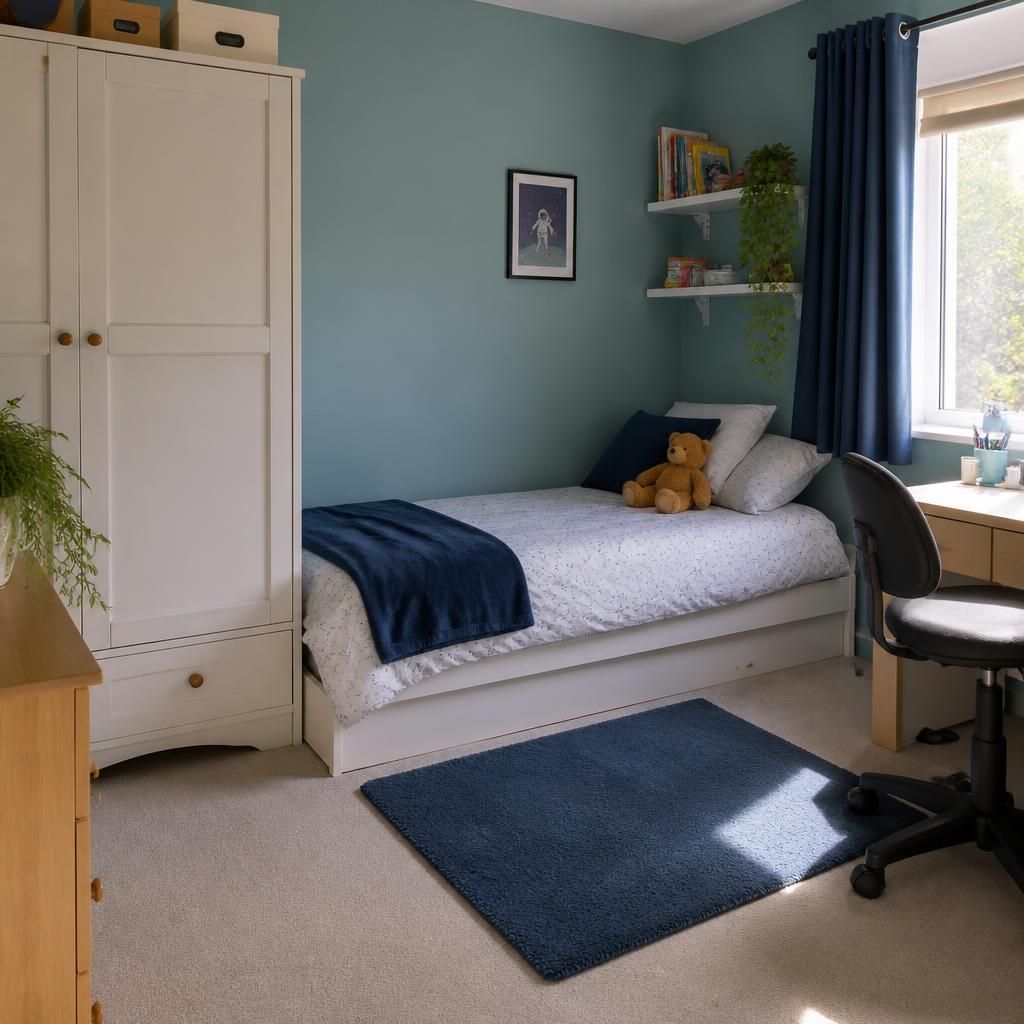
A bedroom is only one part of the home assessment. If you rent your property, tell the fostering service at the outset, as your tenancy agreement or landlord may place conditions on fostering or on making changes to a room. Home insurance and mortgage terms can also be worth checking before you proceed.
The assessing social worker can explain which permissions or documents may be relevant to your circumstances. This helps avoid arranging a placement based on a room that cannot legally or practically be used for fostering.
Discuss your spare bedroom with our fostering team
Contact our fostering team to discuss your home circumstances and understand the next steps towards assessment. They can help you consider whether your proposed sleeping arrangements are suitable for short-term fostering.