

Can older single parents become foster carers?
Yes, older single parents can become foster carers; age alone does not automatically prevent approval. The assessment considers your health, stability, experience, availability and ability to meet a child’s needs, alongside practical arrangements for caring as a single parent.
Partnering with an
Ofsted Outstanding Provider
For an older single parent, fostering eligibility is considered through a full assessment of your circumstances rather than a fixed retirement-age cut-off. The assessment looks at your health, energy, home, experience, support network and ability to provide safe, consistent care for the length of a placement. Being an older applicant can bring valuable life experience, but you will need to show that your arrangements are realistic and sustainable.
Is there an upper age limit for fostering?
There is no automatic upper age limit that prevents someone from applying to foster in the UK. Agencies consider each applicant individually. Age may prompt more detailed questions about health, future plans and the type of fostering that would be suitable, but it is not assessed in isolation.
The important issue is whether you can meet the needs of a child or young person safely and reliably. This includes managing appointments, school or college arrangements, contact with birth family, emotional distress, changes in behaviour and the practical demands of day-to-day care. A decision should be based on your current capability and foreseeable circumstances, not on assumptions about age.
How is health considered?
All fostering applicants need to complete a medical assessment. This normally gives the fostering service information about your general health, any long-term conditions, mobility, medication and the likely impact of your health on caring responsibilities. The purpose is not to exclude people because they have a diagnosis or disability. It is to establish whether your health is compatible with the demands of fostering and whether reasonable adjustments or particular support may be needed.
Older applicants may need to consider questions such as:
- Can you manage the physical activity involved in caring for the age group you hope to foster?
- Would tiredness, pain or treatment affect school runs, appointments or supervision?
- What would happen if your health changed during a placement?
- Have you discussed your plans with your GP or other relevant health professional?
Being open about health is important. A condition that is well managed may not prevent approval, whereas failing to disclose relevant information can make the assessment more difficult.
What practical arrangements must a single parent show?
As a single foster carer, you will be the main day-to-day carer, so the assessment will examine how responsibilities will be managed without another adult in the household. You will usually need a spare bedroom for a fostered child, subject to the requirements for the placement being considered. The home must also provide a suitable, safe environment.
You should be prepared to explain how you would manage:
- morning and evening routines, school attendance and transport;
- health appointments, meetings and supervised contact arrangements;
- your own commitments, including work, volunteering or caring for relatives;
- emergencies, illness and periods when you cannot provide care personally;
- the needs of any birth children or other household members.
A dependable support network is particularly important for a single parent. This might include relatives, friends or other trusted adults who understand fostering and can provide practical help. They cannot replace your responsibility as the approved carer, and anyone who has a regular caring role may need to be assessed or checked. The fostering service will discuss the formal arrangements required for emergency support, respite and other help.
Can older single parents foster younger children or teenagers?
Potentially, yes, but the age of the child is matched to your skills, health, experience and household circumstances. Looking after a teenager may involve supporting education, independence, identity and relationships, while caring for a younger child can require considerable physical energy, close supervision and help with routines. Your preferences can be discussed, but matching is based on whether the particular placement is suitable for everyone involved.
Previous parenting experience is relevant, but fostering is not the same as bringing up your own children. Many children entering care have experienced neglect, abuse, loss or instability. They may communicate distress through behaviour, need help with relationships and require consistent boundaries. Training and assessment explore whether you understand these needs and can respond without taking behaviour personally.
Will retirement or finances affect an application?
Retirement itself does not prevent fostering. In some cases, having more time available can make it easier to attend meetings, provide supervision and focus on a child’s routines. You will still need to show that your household finances are stable and that you can manage your commitments. Fostering allowances are intended to contribute towards the costs of caring for a child; rates and arrangements vary, so they should be discussed with the fostering service and considered alongside your wider income and benefits.
The assessment may also consider longer-term planning. For example, you may be asked how a placement would fit with retirement plans, changes to your housing, travel or caring responsibilities. This is not about requiring a particular lifestyle. It is about ensuring that a child is not exposed to avoidable disruption because the carer’s circumstances were not fully considered at the outset.
What checks and training are involved?
Older single parents complete the same core fostering process as other applicants. This includes initial discussions, background checks, references, a home assessment, health information, preparation training and a detailed assessment by a social worker. The application is then considered through the relevant approval process, which examines your suitability and the types of placements you could safely offer.
Training commonly covers safeguarding, attachment, trauma, behaviour, safer caring, working with birth families, recording information and promoting a child’s health and education. Your parenting and life experience can provide a strong foundation, but training helps you apply that experience to children whose histories and responses may be very different from those of your own family.
How can you prepare before applying?
- Review your health honestly and consider the physical and emotional demands of the placements you are interested in.
- Map out your support network, including who could help in an emergency and how dependable that help would be.
- Consider how fostering would affect your existing children, relatives, work and other responsibilities.
- Think about the age range and needs you could realistically manage, rather than choosing solely on preference.
- Check that your home, bedroom arrangements and transport plans are suitable.
- Prepare questions about allowances, training, supervision, respite, emergency support and the assessment process.
An older single parent may be well suited to fostering when their health, availability, home and support arrangements fit the needs of children in care. The most useful starting point is an honest conversation with a fostering service, followed by a careful assessment of what you can offer and which placements would be safe and sustainable for your household.
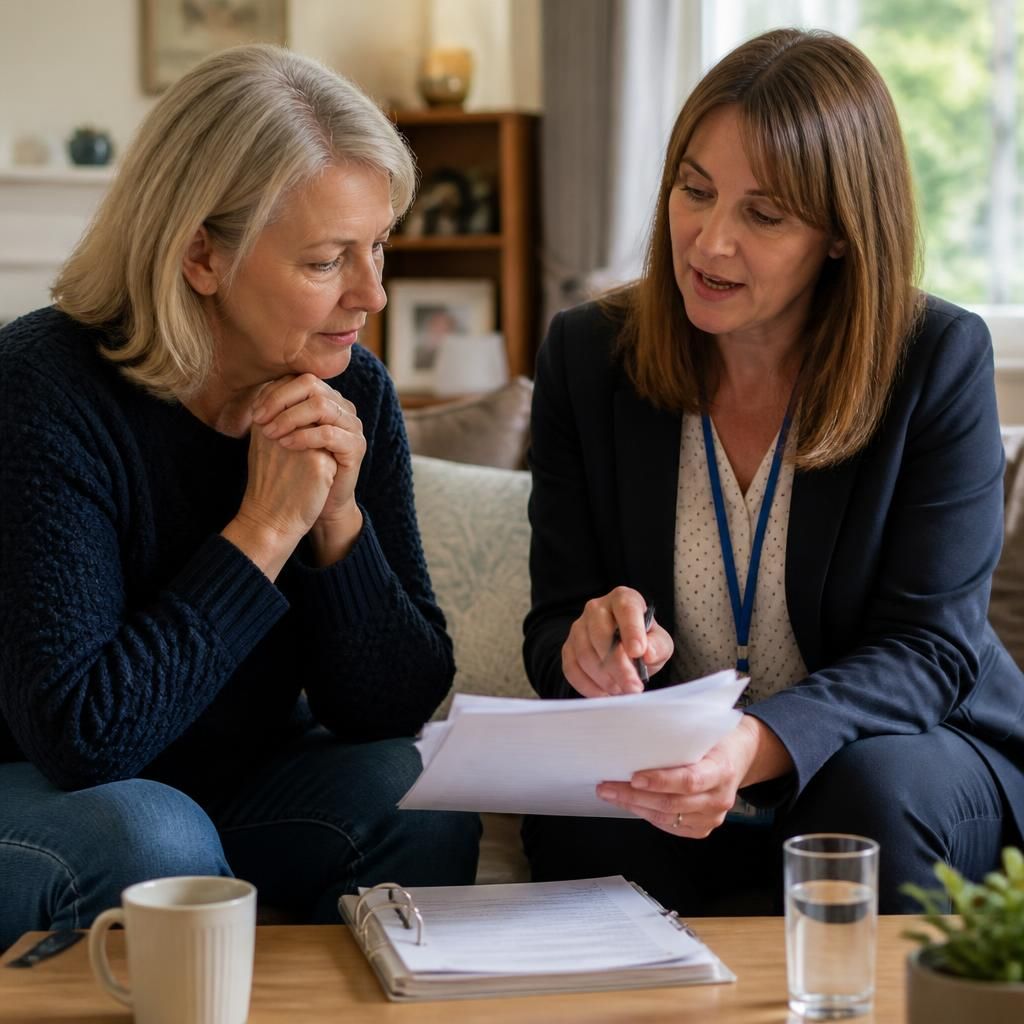
For an older single parent, fostering suitability continues to be considered after approval, particularly if health, mobility, household circumstances or support arrangements change. This does not mean that a change automatically ends fostering, but it should be discussed with the fostering service so its possible effect on current or future placements can be understood.
Ongoing supervision, reviews and training help foster carers reflect on their practice and manage changing needs. Keeping accurate records, attending required meetings and raising concerns early can help maintain safe care. It is also sensible to review practical arrangements regularly, including emergency contacts, transport, home safety and plans for periods when you may be unwell. This forward planning is especially important when you are the child’s main carer.
Find out if you could foster as an older single parent
If you are considering fostering as an older single parent, contact our fostering team to discuss your circumstances and ask questions about the next stage of the application process.