

Can single parent foster carers support children from different cultural backgrounds?
Yes. Single parent foster carers can support children from different cultural backgrounds, provided they can help the child maintain meaningful connections with their culture, identity, language, religion and community. Assessment includes your understanding of the child’s individual needs, while training and ongoing guidance help you provide culturally responsive care.
Partnering with an
Ofsted Outstanding Provider
Single parent foster carers can support children from a wide range of cultural backgrounds. What matters is not having personal experience of every culture, but being able to recognise each child’s identity as an important part of their care, listen without making assumptions and take practical steps to preserve their connections, routines and sense of belonging.
Children may express culture through language, religion, food, clothing, family relationships, celebrations, music, hair and skincare, community links or views about privacy and personal space. These elements should be understood as part of the child’s individual identity rather than treated as a checklist. Two children from the same ethnic or religious background may have very different experiences and preferences, so the child’s care plan and views should guide day-to-day decisions.
During assessment, you may be asked how you would respond if a child’s cultural needs differed from your own. This is not a test of specialist knowledge. The assessment looks at whether you are open to learning, willing to ask respectful questions, able to challenge prejudice and prepared to seek advice when you are unsure. You should be honest about areas where you need further guidance rather than claiming expertise you do not have.
For a single parent, supporting cultural identity also involves fitting this care into the practical structure of your household. You might need to:
- learn how to prepare or obtain familiar foods and respect dietary requirements;
- help a child access suitable places of worship, community groups, cultural events or language support;
- understand expectations around clothing, hair care, skin care and personal hygiene;
- make space for important celebrations, religious observance and cultural routines;
- support contact with relatives, friends or community members where this forms part of the child’s plan;
- arrange transport and appointments without making the child feel that their identity is an inconvenience.
You do not have to manage every aspect alone. A supervising social worker, the child’s social worker and other professionals involved in the placement can help identify appropriate resources and agree practical arrangements. Training may cover identity, anti-discriminatory practice, unconscious bias, faith, race, ethnicity, language and the effects of being separated from familiar family and community networks. You can also build knowledge through local community organisations, reputable guidance and conversations with people who have relevant lived experience, while avoiding the expectation that any one person should speak for an entire culture.
Matching is important. The fostering service considers the child’s needs, your skills and experience, the people in your household, your support network and the resources available in your local community. A match should take account of cultural and identity needs where these are significant to the child. It is appropriate to ask what information will be shared before a placement, what support will be available and how any gaps in your knowledge will be addressed. A placement should not proceed on the assumption that cultural needs can simply be dealt with later without planning.
Good care includes giving children choices and checking that arrangements remain suitable as they grow. A young child may need help explaining what feels familiar or important. An older child may already know exactly which foods, products, community links or forms of worship they want to maintain. Their views should be taken seriously, alongside information from their family, social worker, school and other relevant professionals.
It is also important to protect children from racism and cultural misunderstanding. If a child experiences discriminatory comments at school, in the community or within a household, the concern should be recorded, reported through the appropriate safeguarding process and addressed directly. A foster carer should not expect the child to ignore prejudice, explain it repeatedly or deal with it without adult support. Responding calmly, challenging discriminatory behaviour and helping the child maintain positive links with their identity are key parts of the role.
Single parent fostering does not require you to recreate a child’s birth family or provide a perfect cultural match. It does require active, respectful parenting and a willingness to keep learning. As part of your application, discuss your existing support network, the communities and services accessible to you, any practical limitations and the kind of guidance you would need. This allows the fostering team to assess the arrangements properly and plan support around the child’s individual identity and needs.
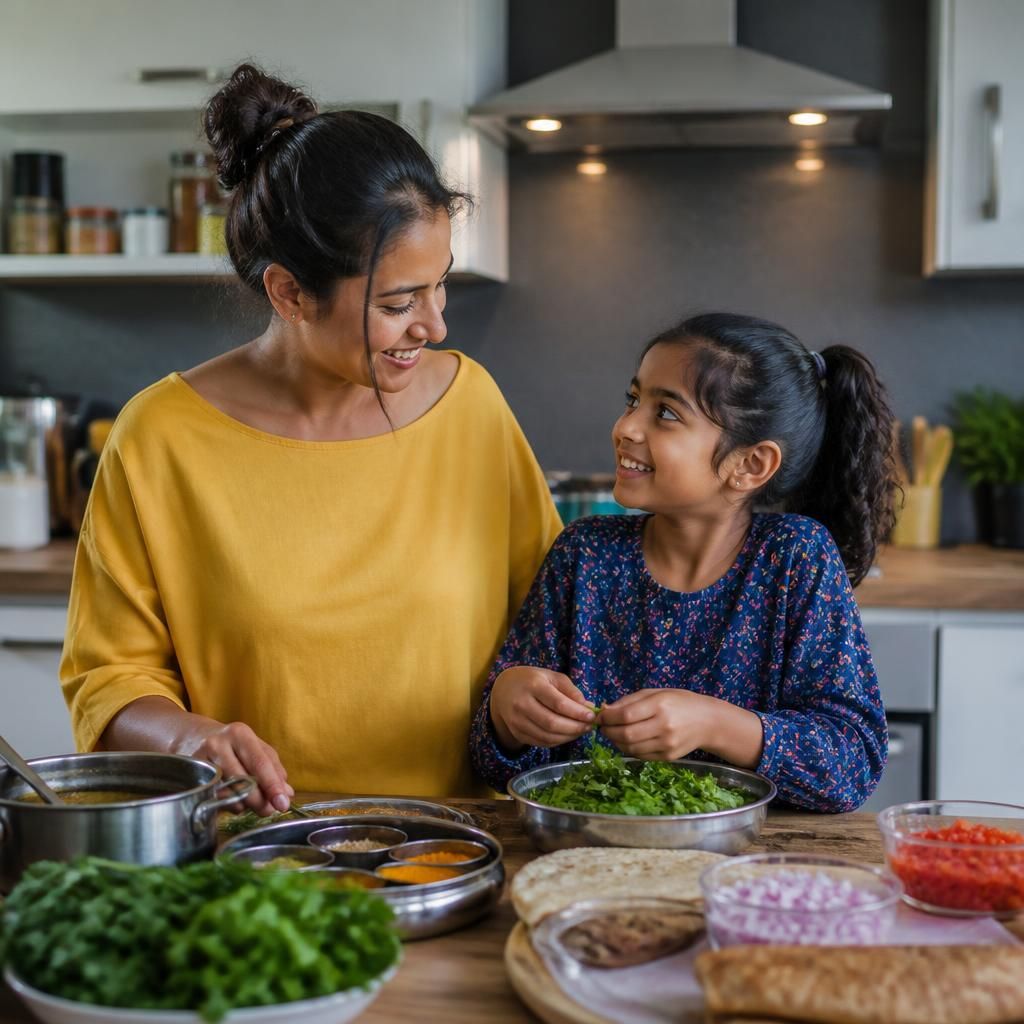
Supporting a child from a different cultural background may include protecting their preferred language and making sure they can communicate comfortably. A single parent does not usually need to speak the child’s language fluently, but should take practical steps to reduce communication barriers and avoid making the child responsible for interpreting adult conversations.
- Ask the child and professionals which language they prefer for everyday communication and important discussions.
- Learn and use familiar names, greetings and key words correctly, checking pronunciation respectfully.
- Use suitable interpreting or translation arrangements for meetings, health appointments and formal information where needed.
- Provide books, music, labels or other resources in the child’s language when these are appropriate.
- Work with the child’s school and social work team so language needs are understood consistently across settings.
These arrangements should be reviewed as the child’s confidence, age and communication needs change. The aim is to give the child a clear voice in decisions about their care, while ensuring that important information is understood accurately by everyone involved.
Discuss fostering children from different cultural backgrounds
If you are considering fostering a child from a different cultural background, speak to our fostering team about your circumstances, questions and the support you may need. This can help you understand the assessment process before deciding whether to apply.