
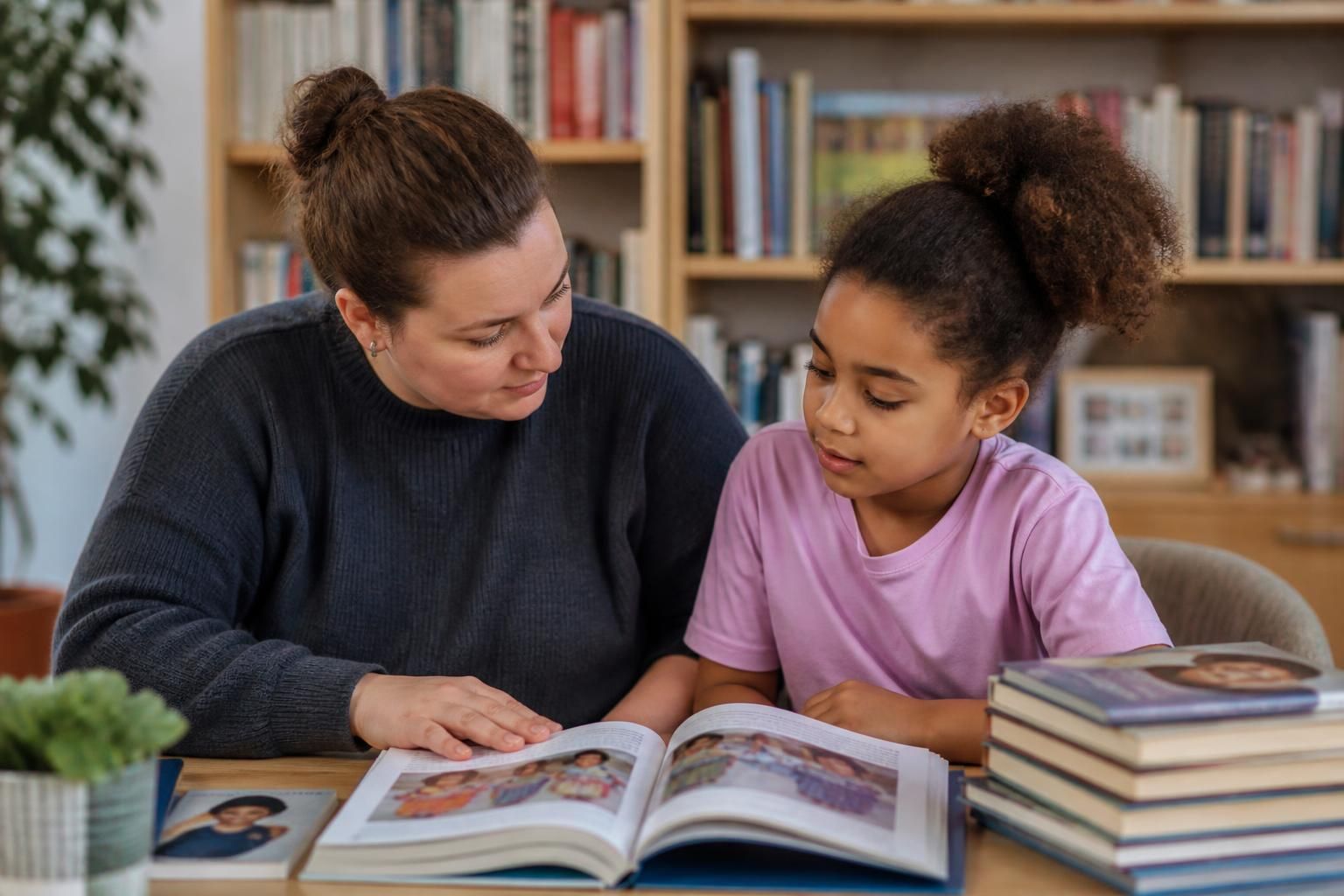
What diversity training do single parent foster carers receive?
Single parent foster carers receive diversity training covering children’s culture, religion, ethnicity, disability, gender identity, sexual orientation and family background. It helps carers recognise bias, challenge discrimination, respect individual identity and adapt everyday care so each child feels understood and included.
Partnering with an
Ofsted Outstanding Provider
Diversity training for single parent foster carers is structured learning that helps you provide respectful, individualised care while meeting your responsibilities as a foster carer. It usually forms part of your preparation to foster and continues through supervision, further training and day-to-day support, so learning can be applied to the needs of the child placed with you.
The training normally explores how a child’s identity develops and how their experiences can affect their confidence, relationships and sense of belonging. It looks at the difference between treating every child identically and treating each child fairly. Fair care may mean adapting routines, communication, activities or advocacy to remove barriers affecting a particular child.
- Understanding personal assumptions: you are encouraged to consider how your own upbringing, beliefs and experiences may influence your expectations. This is not about being expected to know everything. It is about recognising when an assumption may affect a child and being willing to learn, reflect and seek advice.
- Recognising discrimination: sessions may use practical examples involving comments, exclusion, stereotyping, bullying or unequal treatment. You learn how to respond calmly, record concerns, challenge inappropriate behaviour and make sure the child is not left to manage discrimination alone.
- Respectful communication: training considers how to ask sensitive questions, listen without making assumptions and use the name, terminology and forms of address that reflect a child’s identity. It also covers how to respond when a child is unsure how they describe themselves or does not want to talk.
- Maintaining connections: where appropriate, you learn why a child’s links with important people, community, language, faith, heritage or cultural practices may matter. The focus is on supporting the child’s welfare and respecting their individual circumstances, rather than making generalisations about a group.
- Advocacy: a foster carer may need to raise concerns with social workers, schools, health professionals or other services. Training helps you present the child’s views clearly, ask for reasonable adjustments where needed and contribute to plans that reflect their identity and welfare.
As a single parent, the training also considers how you will make decisions and manage sensitive conversations as the child’s main day-to-day carer. You may need to think in advance about who can provide appropriate support, how you will protect confidentiality and how you will respond if a child’s needs challenge your previous experience. Your support network can be discussed as part of your preparation, but responsibility for safe, appropriate care remains with you.
Practical exercises are often used instead of relying only on written information. You may work through scenarios such as a child being teased because of their identity, a school activity that excludes them, a request to follow an unfamiliar cultural or religious practice, or uncertainty about how to respond to a child’s questions. These exercises help you consider what to say, what action to take, when to record an incident and when to ask the supervising social worker for guidance.
Training also explains that a child’s identity should not be treated as a one-off subject. Their views and circumstances can change as they grow, settle into placement or understand more about their background. You are expected to keep communication open, avoid pressuring the child to explain themselves and review care arrangements when their needs change.
During the assessment process, your social worker may discuss how you would apply this learning in your own home. This can include your approach to difference, your ability to reflect on feedback, how you would handle disagreement and whether you can prioritise the child’s needs when they differ from your own preferences. The purpose is not to expect specialist knowledge in advance. It is to establish that you can learn, act safely, respect the child and obtain help when a situation is unfamiliar.
After approval, diversity learning is reinforced through supervision, placement discussions and additional training relevant to the child in your care. You can raise questions about identity-based concerns, relationships, education, contact or community participation with your fostering support team. Keeping notes of important discussions and agreed actions can help ensure that the child’s wishes and needs remain visible in their care planning.
Before applying, it is useful to ask how diversity training is delivered, what preparation is expected before approval, how learning is reviewed and what specialist advice is available for a particular child. You can also consider how you would make your home and routines inclusive, which people could support you appropriately and how you would help a child speak openly about experiences of difference or discrimination.
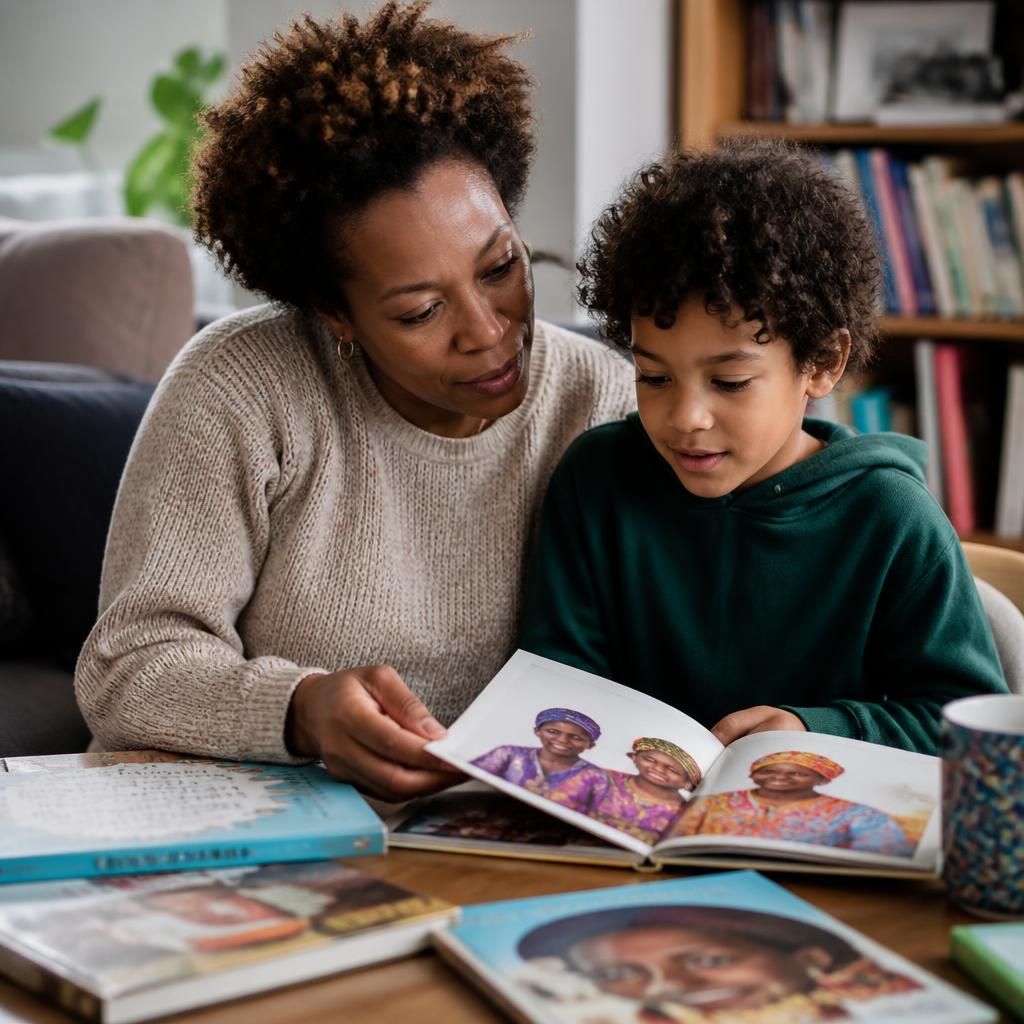
Diversity training can include practical guidance on meeting a child’s cultural, religious and identity-related needs in everyday care. This may cover food and dietary requirements, clothing, personal care, hair and skin care, celebrations, religious observance, books and activities. The aim is to move beyond general respect and consider what the child may need in your home each day.
Training may also help you identify suitable resources and ask informed questions before making changes to routines or buying unfamiliar products. You may discuss how to involve the child in decisions, consult their parents or professionals where appropriate, and avoid treating one person’s experience as representative of an entire community. These practical considerations can be explored further when a child’s individual needs are known.
Find Out More About Diversity Training for Single Parent Foster Carers
If you are considering fostering as a single parent, contact our team to discuss how diversity training fits into your preparation and ask any questions about your circumstances.