

Can single parents provide part-time foster care for siblings?
Yes, a single parent may be able to provide part-time foster care for siblings, provided they can meet the children’s needs, offer suitable space and complete the required assessment successfully. The fostering team will consider the sibling group’s ages, routines, relationships and level of support needed before deciding whether the arrangement is appropriate.
Partnering with an
Ofsted Outstanding Provider
Yes. Part-time foster care for siblings can be suitable for a single parent when the arrangement is carefully matched and the household can provide consistent care for the children during agreed periods. Sibling placements are often planned to help brothers and sisters remain together, but the fostering service must consider whether the proposed home and support arrangements are appropriate for that particular group.
Part-time care may involve regular overnight stays, weekends, school holidays, respite periods or another planned pattern. The exact arrangement is agreed before the placement begins and should set out:
- which children will stay and how often;
- the length and timing of each stay;
- school, nursery, medical and leisure arrangements;
- how the children will travel to and from the placement;
- who is responsible for contact with parents and other family members; and
- what will happen if a child becomes unwell or the usual plan cannot go ahead.
Fostering siblings is not simply the same as caring for two unrelated children. The children may be closely bonded, protective of one another or affected by conflict, loss and uncertainty. Their relationship may be a source of reassurance, but they may also need individual attention and different boundaries. The assessment will therefore look at how a single parent would manage shared routines while recognising each child’s age, personality, communication needs and history.
A single parent will need a dependable plan for supervision and practical help. This could include approved support from relatives or friends, assistance with transport, and people who understand the responsibilities of fostering. Informal support is useful, but it does not replace the foster carer’s responsibility to provide safe care. Any proposed arrangements will need to be discussed with the fostering service and may need to be assessed or formally recorded.
The assessment will also consider the effect of a sibling placement on everyone already living in the household. This includes the single parent’s own children, if applicable. The fostering service may discuss household routines, privacy, boundaries, visitors, pets, school commitments and how individual children will receive attention. A placement should not be accepted solely because siblings need to stay together; it must be sustainable for the whole household.
Before approval, prospective foster carers normally complete checks, health assessments, references and preparation training. The assessment gives the fostering service an opportunity to understand the applicant’s parenting experience, support network, reasons for fostering and ability to work with professionals. It should also identify any areas where further training or guidance would be helpful, particularly where a sibling group has complex emotional, behavioural or developmental needs.
Once approved, the single parent would receive information about the children before agreeing to a match. This should include their routines, education, health, relationships, known triggers and the support they may require. The carer should be able to ask questions and raise concerns before deciding whether the proposed arrangement is manageable. A written placement plan then records expectations and responsibilities.
Part-time foster carers are expected to work as part of a professional team. Support may include a supervising social worker, regular reviews, training, advice about behaviour and help with placement planning. Foster carers generally receive an allowance for the children in their care, although the amount and payment arrangements depend on the fostering provider and the specific placement. These details should be explained before approval or before accepting a placement.
Sibling relationships and family contact should be handled sensitively. Contact arrangements are usually agreed with the child’s social worker and set out in the placement plan. A foster carer may help children attend planned contact or share relevant observations with professionals, but should not make private changes to arrangements without discussing them with the appropriate team.
In practice, the strongest arrangements are those where the pattern of care is realistic, the children’s needs are understood individually and the single parent has agreed support before the first stay. If the children’s needs increase, the household circumstances change or the arrangement becomes difficult, the carer should speak to the fostering team promptly so that the plan can be reviewed.
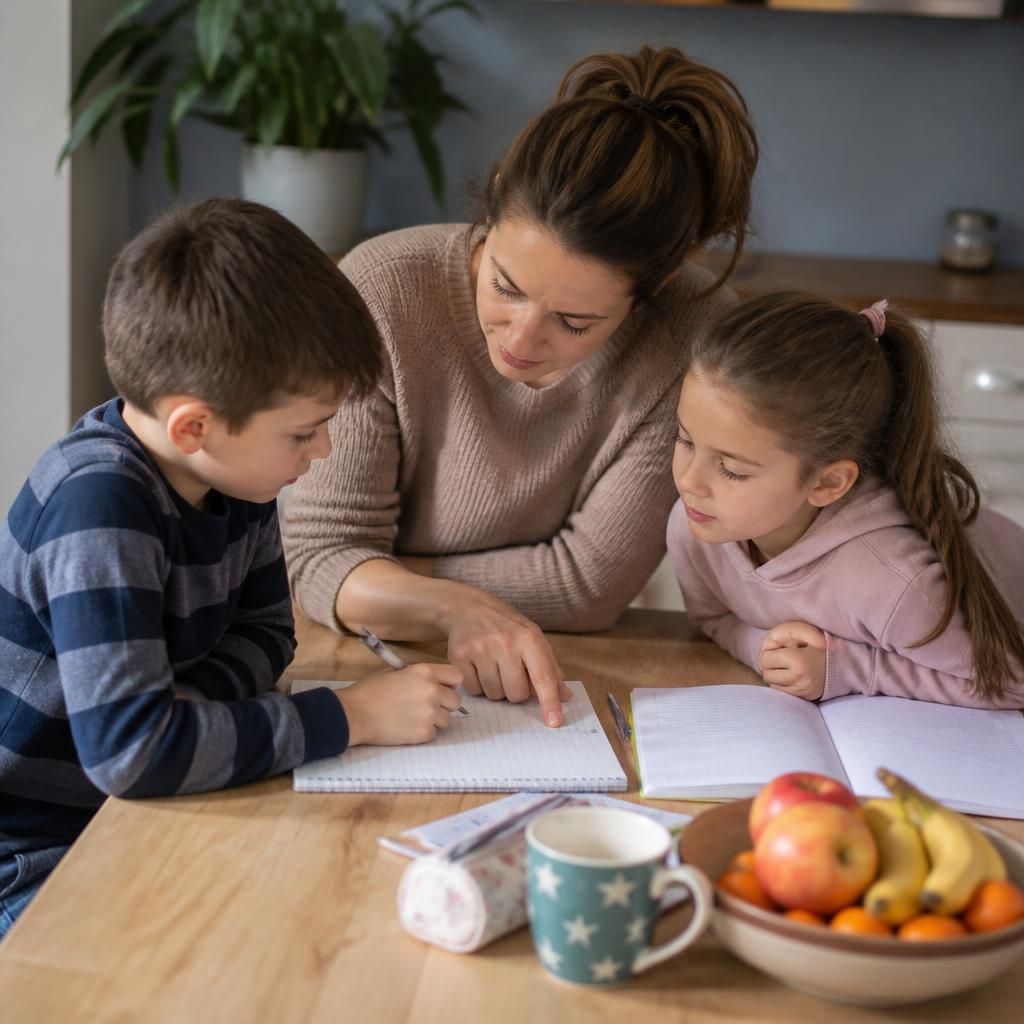
Part-time fostering does not reduce a single parent’s responsibilities while the siblings are in their care. During each agreed stay, the carer remains responsible for their day-to-day safety, supervision and wellbeing, including following medication instructions, maintaining routines and reporting important events to the fostering team.
This is particularly important when caring for siblings because information about one child may affect the other. A carer may need to record injuries, changes in behaviour, disagreements or signs that either child is worried. Keeping clear records helps professionals understand how the placement is working and ensures that both children’s needs are considered separately.
The arrangement should also allow each sibling appropriate privacy and individual time with the carer. Shared activities can help maintain their relationship, but one-to-one conversations and attention may reveal concerns that are not apparent when the children are together. These practical expectations form part of deciding whether the placement is suitable for a single-parent household.
Explore part-time fostering for siblings as a single parent
If you are considering part-time foster care for siblings as a single parent, speak with Become a Foster Family to discuss your circumstances and the types of arrangements that may be suitable. You can explore the assessment process, preparation required and practical considerations before deciding whether to apply.