

How is contact with a child’s birth family handled in part-time fostering?
Contact with a child’s birth family in part-time fostering is planned as part of the child’s care arrangements, with the social worker setting out who the child sees, when and how contact takes place. Foster carers support these arrangements by helping the child attend or prepare for contact, sharing relevant observations with the professional team and following any agreed safety or supervision requirements.
Partnering with an
Ofsted Outstanding Provider
In part-time fostering, contact with a child’s birth family is managed according to the child’s individual care plan, legal arrangements and safeguarding needs. The local authority social worker normally agrees the arrangements with the child, birth family and fostering professionals. The foster carer’s role is to support the child’s participation without taking responsibility for making independent decisions about contact.
Contact can take different forms, depending on what is suitable for the child. It may include:
- Face-to-face meetings with parents, siblings or other relatives
- Telephone or video calls
- Letters, cards, photographs or other agreed updates
- Contact at a family centre, another approved venue or a community setting
- Supervised, supported or unsupervised contact, where this has been assessed as appropriate
For a part-time placement, contact arrangements may already be established before the child stays with you. You should be given enough information to understand when contact takes place, who is involved, where it happens, whether supervision is needed and what you are expected to do. Some arrangements may be directed by a court, while others are agreed as part of the child’s care plan. The requirements can therefore differ from one placement to another.
Preparing the child for contact
Part-time foster carers may help the child feel prepared by discussing practical details in an age-appropriate way, following familiar routines and making sure the child has what they need for the meeting. This might include helping them choose an item to take, checking transport arrangements or allowing time to settle afterwards. You should avoid making promises about what a parent or relative will say or do, particularly if plans can change.
Children can experience mixed feelings about birth family contact. They may be happy, worried, confused, angry or reluctant, sometimes changing their view from one occasion to the next. Listen without criticising their family or pressuring them to talk. Simple, neutral responses such as acknowledging that the situation feels difficult can help the child feel heard. Any significant concern about the child’s emotional wellbeing or reluctance to attend should be shared with the social worker rather than dealt with through an informal change to the arrangement.
During and after contact
Where you are responsible for taking the child to contact, arrive according to the agreed plan and follow any instructions about handovers, supervision and communication. Do not negotiate new arrangements directly with family members unless this is expressly authorised. If a birth family member does not attend, arrives unexpectedly or asks for an arrangement that differs from the care plan, contact the relevant professional team for guidance.
Afterwards, offer the child a calm transition back into the part-time household. They may need food, quiet time, reassurance or an opportunity to return to a familiar activity. Avoid questioning them repeatedly about the meeting. If they choose to share information, listen carefully and record relevant facts in line with the recording guidance you have been given.
Communication with birth family members
The level of direct communication between a foster carer and a child’s birth family will depend on the placement plan. In some situations, a brief handover may be appropriate. In others, contact will be managed by social care staff or a supervising professional. You should not share your home address, personal telephone number, social media details or other private information unless this has been specifically agreed and assessed as safe.
Keep conversations focused on the child and maintain respectful, professional boundaries. Do not discuss confidential information about the child, other children in the household or the decisions of professionals. If a relative asks you to keep something secret, makes allegations or raises a concern about the child’s care, make a factual note and report it through the agreed process.
Safety, confidentiality and changes
Contact arrangements should take account of risks such as previous harm, unsuitable adults, abduction concerns, substance misuse, conflict between adults or the child being exposed to distressing conversations. This is why a contact plan may specify supervision, approved locations, identity checks, communication limits or a particular handover process. Foster carers must follow these instructions and report any incident or concern promptly.
Arrangements can be reviewed if the child’s needs, wishes or circumstances change. For example, a child may become distressed before contact, a sibling relationship may need further consideration, or a change in court or care-plan decisions may affect how meetings take place. Foster carers should share observations about patterns they notice, while remembering that professionals decide whether the plan needs to change. Contact should not be cancelled, extended or rearranged independently except where there is an immediate safeguarding concern and you have followed the relevant emergency procedure.
Before a part-time placement begins, ask the social worker or fostering team to explain the contact plan, your responsibilities, transport and handover arrangements, supervision requirements, recording expectations and who to contact if a problem arises. Clear information helps you support the child’s family relationships while maintaining the boundaries and safeguards set out for that particular placement.
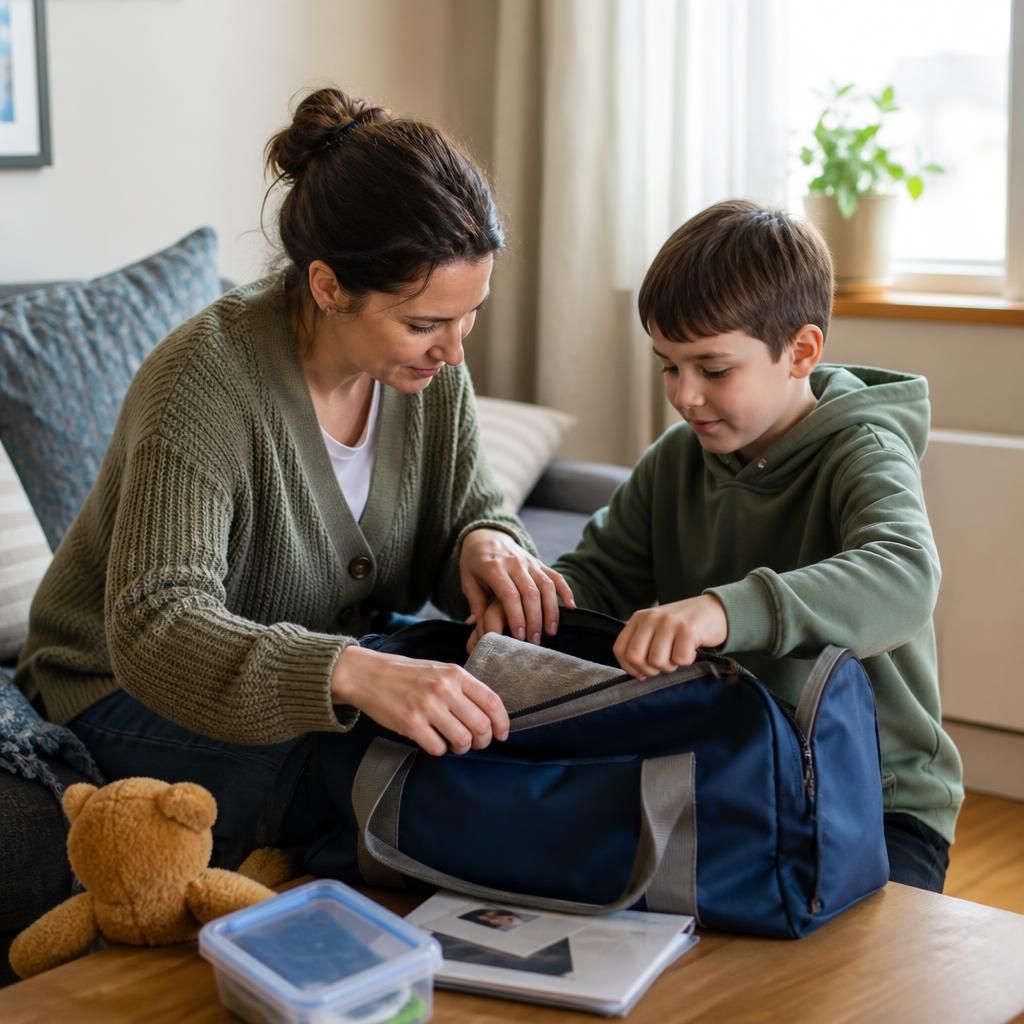
Contact with a child’s birth family can also help maintain important links with their identity, culture and personal history. Where this is agreed with the social worker, information from family members may help you understand familiar names, routines, celebrations, foods or belongings that are significant to the child.
Use this information to provide continuity during the child’s part-time stays, without asking relatives to resolve care decisions or sharing details outside the agreed plan. Keep photographs, letters or personal items safely and follow the guidance on what the child may take between households. This supports the child’s connection with their family while preserving confidentiality and clear professional boundaries.
Ask about contact arrangements in part-time fostering
If you are considering part-time fostering, speak to our fostering team about the practical arrangements involved and how you could support a child’s family relationships safely. They can explain the next steps and answer your questions before you decide whether to apply.