
How is education supported in specialist foster care?
Education in specialist foster care is supported through an individual plan that reflects the child’s learning, wellbeing and additional needs. Foster carers work with the child’s school, social worker and other professionals to encourage attendance, maintain routines, support learning and address barriers such as special educational needs, disrupted schooling or anxiety.
Partnering with an
Ofsted Outstanding Provider
Education support in specialist foster care is coordinated around the child’s assessed needs, care plan and educational history. The local authority, school, foster carer, social worker and relevant specialists should agree practical steps that help the child access learning, make progress and take part in decisions about their education.
A key document is the Personal Education Plan (PEP). This records the child’s education history, current attainment, strengths, interests, barriers to learning and agreed targets. It should also identify the support to be provided, who is responsible for each action and how progress will be reviewed. The foster carer’s observations are important because they can identify changes in confidence, concentration, behaviour or engagement that may not be visible in school.
For a child with special educational needs or disabilities, education planning may involve the school’s special educational needs coordinator (SENCO), educational psychologists, speech and language therapists, occupational therapists or other professionals. Where a child requires support beyond what a school can ordinarily provide, the local authority may assess whether an Education, Health and Care (EHC) plan is appropriate. Foster carers can contribute evidence, attend meetings and help ensure that the child’s day-to-day needs are accurately represented.
The child should normally have access to a designated teacher for looked-after children within the school. This teacher helps coordinate education support and liaises with the local authority’s Virtual School. The Virtual School does not replace the child’s school; its role is to promote the educational progress of children in care, advise professionals and help address barriers such as unsuitable provision, placement changes or repeated exclusions.
Practical support may include:
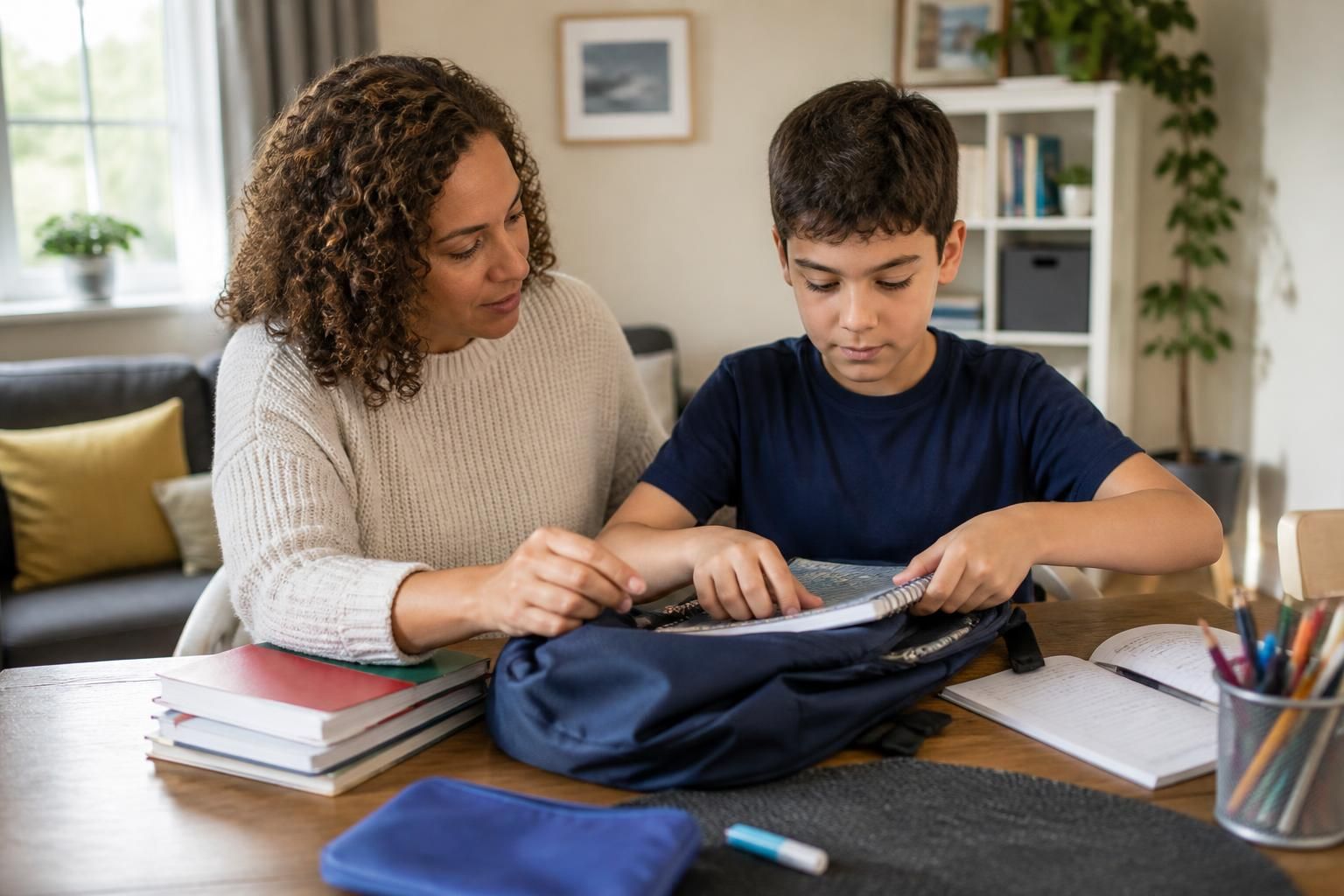
- help with organising school equipment, uniform, homework and revision;
- a suitable, quiet place to study and consistent expectations around schoolwork;
- support to communicate with teachers and prepare for parents’ evenings, reviews and assessments;
- additional reading, tutoring or targeted intervention where this is identified as appropriate;
- reasonable adjustments for disability, communication needs, trauma-related difficulties or anxiety;
- support with applications, subject choices, examinations, college, training or employment pathways; and
- careful planning around transitions between schools, year groups or types of provision.
Specialist foster carers may need to work with education staff on behaviour and emotional regulation as well as academic work. A child who has experienced disruption, neglect or trauma may find concentration, trust, relationships or changes in routine difficult. The response should be based on the child’s needs and agreed with the professionals involved, rather than treating behaviour as a reason to reduce educational expectations. Clear communication between home and school can help identify triggers, agree consistent responses and recognise progress.
School moves require particular care. A move should not be treated as an automatic solution to difficulties, because changing school can interrupt relationships, learning and access to support. If a move is being considered, the professionals should examine the reasons, consult the child and foster carer, consider transport and continuity of provision, and plan how information and support will transfer.
Foster carers are not expected to act as teachers or education specialists. Their role is to provide encouragement, structure and advocacy while making sure concerns are shared with the social worker and school. They should keep relevant records, attend education meetings where appropriate and ask for an explanation if agreed support is not being provided. Training and guidance can also help carers understand SEND, managing homework, online safety and how previous experiences may affect learning.
The child’s views must remain central. Depending on their age and understanding, they should be helped to express what they enjoy, what they find difficult and what support they believe would help. Education reviews should consider more than grades: attendance, participation, relationships, confidence, wellbeing, skills and preparation for the next stage are all relevant indicators of progress.
Arrangements should be reviewed when the child’s circumstances change, including after a placement move, school transition, new assessment, exclusion, significant change in wellbeing or a change in educational goals. This keeps the plan relevant and allows support to be adjusted rather than relying on arrangements that no longer meet the child’s needs.

Education support can also include making sure the child benefits from funding intended to address the effects of being in care. In England, schools receive Pupil Premium Plus for eligible looked-after and previously looked-after children. This funding is not normally paid directly to foster carers; the school decides how it is used to improve the child’s education.
Depending on the child’s identified needs, it may contribute towards targeted tuition, reading support, learning resources, enrichment activities or other interventions. The important point is that spending should be purposeful and linked to the child’s educational priorities, rather than treated as a general budget. Foster carers can ask the school or designated teacher what provision is being offered and how its impact will be considered.
Where a child has recently entered care or moved placement, education staff may need clear information about their circumstances before deciding what support is appropriate. Sharing relevant observations, with the social worker’s guidance, can help the school distinguish between a short-term adjustment and a need for more structured educational intervention.
Talk to us about education support in specialist foster care
Talk to us to discuss how specialist foster care could support a child’s education and what becoming a foster carer involves. Our team can explain the assessment process, training and ongoing support available.