
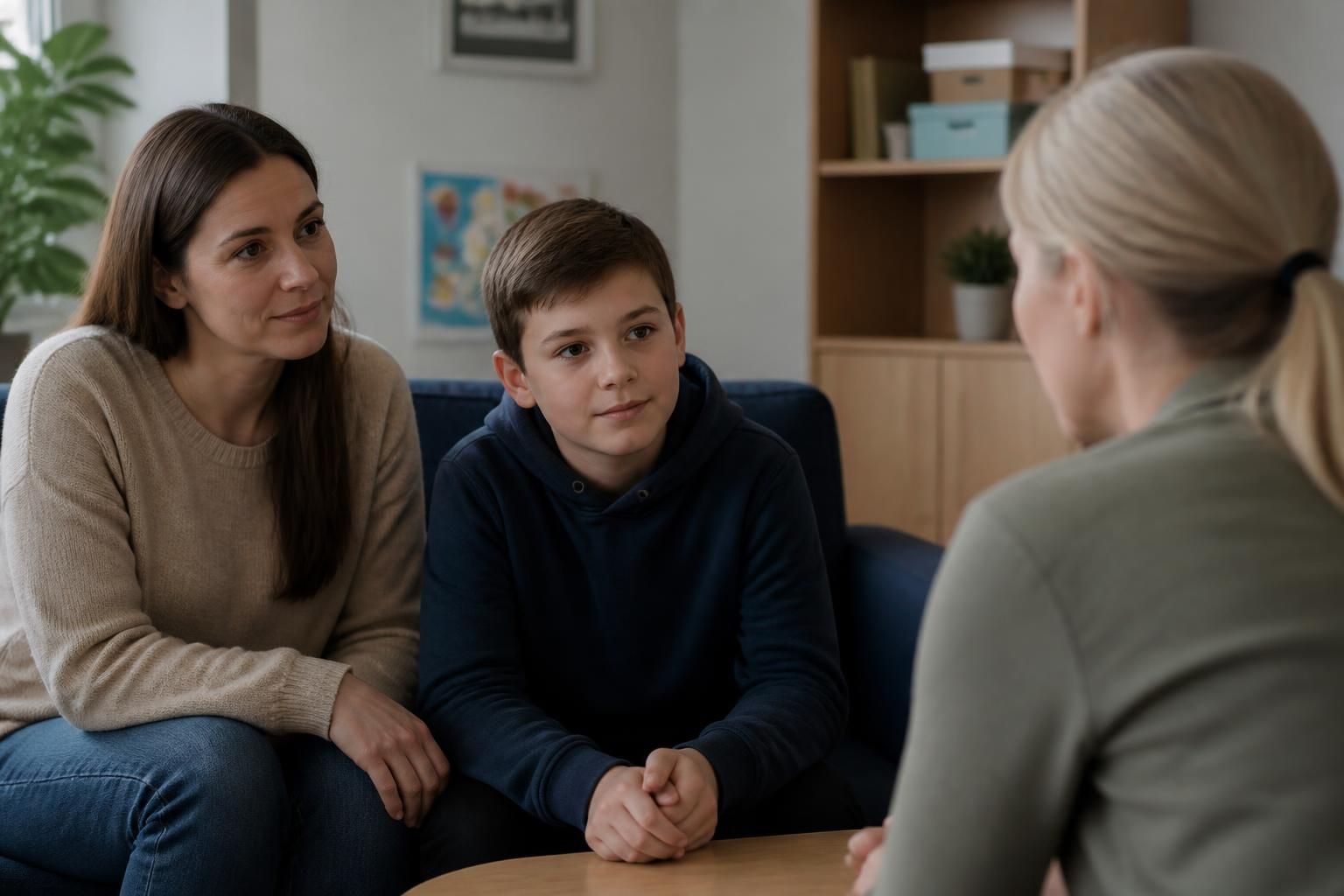
How is family contact managed in specialist foster care?
Family contact in specialist foster care is managed through an agreed plan based on the child’s welfare, relationships, wishes and individual needs. The plan sets out who the child sees, where and how contact takes place, and what support or supervision is required, with arrangements reviewed as circumstances change.
Partnering with an
Ofsted Outstanding Provider
In specialist foster care, family contact is managed as a planned safeguarding arrangement rather than an informal visit. The child’s care plan, court directions and the placing authority’s expectations provide the framework, while the child’s safety, emotional wellbeing and relationships guide the practical decisions.
Who decides the arrangements? The local authority normally coordinates contact with parents, siblings and other significant people. A court may set requirements or restrictions, particularly where there are concerns about harm, abduction, coercion or the effect of contact on the child. Foster carers are expected to follow the agreed arrangements and raise concerns, but they do not usually make major changes independently. Any proposed alteration should be discussed with the child’s social worker or the supervising professional.
Before contact begins, the professionals involved consider factors such as:
- the child’s age, communication needs, wishes and feelings;
- their history, including trauma, neglect, abuse or disrupted relationships;
- the nature of the relationship with each family member;
- any safeguarding concerns, court conditions or risk of pressure on the child;
- the likely emotional impact before, during and after contact; and
- the practical arrangements, including travel, venues, supervision and accessibility.
What forms can contact take? Contact may be face to face, by telephone, video call, letter, cards or another agreed method. Face-to-face meetings might take place in a contact centre, a local authority venue, a community setting or another approved location. The arrangement may be supervised if the child needs protection, reassurance or help to maintain safe communication. In some circumstances, contact is supported rather than directly supervised, meaning an adult is available to assist while allowing the interaction greater privacy.
Indirect contact can be appropriate when a face-to-face meeting is not safe, suitable or currently in the child’s interests. It may also help maintain a relationship between meetings. Messages, photographs or letters may need to be checked and passed on by professionals or foster carers, depending on the child’s plan. Foster carers should not share their personal address, contact details, school information or images of the child unless this has been expressly agreed.
How are supervised visits managed? A supervising adult observes the interaction and may intervene if a conversation or behaviour becomes unsafe or distressing. The supervisor may support the child to express themselves, help with transitions and record relevant observations. Supervision is not intended to make contact punitive; it is a safeguard that allows professionals to assess whether the arrangement is working for the child.
Foster carers may help the child prepare by explaining what will happen in language they understand, checking practical details and allowing them to take a comfort item where appropriate. They can also help the child settle afterwards. A child may show changes in mood, sleep, behaviour or communication after contact. These signs should be recorded factually and shared with the child’s social worker, particularly where they are persistent, significant or indicate a safeguarding concern.
What part does the child’s voice play? Children should be given an age-appropriate opportunity to express their wishes and feelings. Their views are important, but they are considered alongside safety, development, legal directions and the views of relevant professionals. A child may want contact and still need boundaries around it, or may feel conflicted about seeing a family member. Foster carers should listen without criticising the child’s family or asking them to choose sides.
For children who have experienced trauma, contact can bring up strong feelings, loyalty conflicts or memories of earlier experiences. Specialist carers may need to use predictable routines, careful preparation and a calm response to distress. They should avoid promising that a meeting will happen if arrangements are not confirmed and should not question the child repeatedly about what was said. Concerns should be passed to the appropriate professional rather than investigated by the carer.
How is information shared and recorded? Contact details, attendance, significant events and the child’s presentation may be recorded in line with the fostering service’s procedures. Records should distinguish between what was seen or heard and an interpretation of its meaning. Information about the child and their family is confidential and should only be shared with people who have a legitimate professional role. This includes being careful with messages, photographs, social media and conversations in public places.
Family members may sometimes ask foster carers for extra visits, private contact or information about the child. Carers should respond courteously but refer requests through the agreed professional route. They should not make private arrangements, pass on unapproved information or agree to changes simply because they feel pressured. If a family member fails to attend, behaves inappropriately or attempts to collect the child without authorisation, the carer should follow the safeguarding and emergency procedures provided by the fostering service.
When can arrangements change? Contact may be increased, reduced, paused or changed in format when evidence shows that the current approach is not meeting the child’s needs. Relevant evidence can include the child’s wishes and presentation, missed sessions, new safeguarding information, court action or changes in family circumstances. A review should consider the effect of the arrangement rather than treating attendance alone as proof that contact is beneficial. Where a court order applies, changes must be handled through the appropriate legal and professional process.
Foster carers receive guidance on their responsibilities, recording and safeguarding, and should have access to their supervising social worker or relevant team when contact raises a concern. Before accepting a specialist placement, prospective carers can ask how contact is likely to be organised, who will supervise it, how travel is handled, what records are required and what support is available when a child is distressed before or after a visit. Clear professional communication helps maintain appropriate family relationships while keeping the child’s welfare at the centre.

Contact can support identity as well as relationships. For a child in specialist foster care, time with family may help them understand their history, culture, memories and sense of belonging. The purpose of contact should therefore be clear, whether it is maintaining an important relationship, sharing family knowledge or supporting a longer-term plan such as reunification where this is appropriate.
Foster carers can help by treating the child’s family connections respectfully and making space for the child to talk about them without pressure. They should follow the agreed plan when handling family information, personal items or approved photographs, and avoid making assumptions about what contact means to the child. The child may feel positive, worried or uncertain at different times; these responses should be accepted without asking them to defend either their family or their placement.
Ask about family contact in specialist foster care
Would you like to understand how family contact could be managed for a specialist placement? Speak to our fostering team to discuss your questions and what prospective carers should consider before applying.