

What safeguarding issues should LGBTQ+ foster carers be prepared to manage?
LGBTQ+ foster carers may need to manage safeguarding risks including homophobic, biphobic or transphobic bullying, online abuse, unwanted disclosure of a young person’s identity, and unsafe contact with people who do not respect their boundaries. They should follow the child’s safeguarding plan, record and report concerns promptly, support safe identity development, and work with their supervising social worker and other professionals to review risks as circumstances change.
Partnering with an
Ofsted Outstanding Provider
LGBTQ+ identity is not a safeguarding risk in itself. The safeguarding issues LGBTQ+ foster carers may need to manage usually arise from abuse, coercion, rejection, exploitation or failures by adults and services to respect a young person’s rights. Carers should understand the child’s individual risk assessment, follow agreed procedures and seek advice whenever a concern changes or falls outside the placement plan.
Coercion and attempts to change identity
A young person may be pressured by relatives, peers, faith groups or other adults to conceal, deny or change their sexuality or gender identity. This can include threats, controlling behaviour, humiliating language, enforced isolation, pressure to attend inappropriate interventions or attempts to obtain confidential information. Carers should treat these as potential safeguarding concerns rather than as ordinary disagreements about beliefs. They should record what has happened, preserve relevant evidence and raise the concern through the agreed safeguarding route.
Family rejection and exploitation
Rejection can increase a child’s vulnerability to leaving home, staying with unsuitable adults or accepting accommodation, money, transport or gifts in exchange for attention or sexual activity. A young person who feels isolated may be more likely to trust someone who appears accepting, even when that person is taking advantage of them. Carers should be alert to changes in relationships, unexplained possessions, secrecy about where the child is staying, or pressure to provide sexual images or meet adults in private. These signs require a proportionate safeguarding response, not blame directed at the young person.
Self-harm, suicidal thoughts and mental health concerns
Some LGBTQ+ young people may experience distress connected with rejection, shame, discrimination or uncertainty about their identity. Safeguarding concerns can include self-harm, suicidal thoughts, disordered eating, substance misuse or a sudden deterioration in presentation. Foster carers should take every disclosure seriously, use the child’s safety plan where one exists and contact the relevant social care, health or emergency service in line with the seriousness of the risk. They should not promise to keep information secret when sharing it is necessary to protect the child.
Placement matching and household safety
Before a placement begins, safeguarding considerations should include the child’s history, identity-related experiences, known triggers, relationships, communication needs and any risks involving other household members. The assessment should also consider whether the home can provide privacy without creating isolation, and how adults will respond if the young person is distressed or challenges household expectations. Foster carers should agree practical arrangements for bedrooms, personal belongings, visitors, transport, phone use and access to support. Other children in the household should receive suitable guidance about privacy, respect and how to report a concern.
Carers should also consider the safety of visits and contact with parents, relatives or other significant people. Contact arrangements may need review if a person persistently ignores the child’s identity, shares private information, uses threatening language or places the child under pressure. Any restrictions must be agreed with the responsible professionals and explained to the young person in a clear, age-appropriate way.
Information sharing and records
Safeguarding depends on accurate information, but a young person’s identity should not be discussed more widely than necessary. Foster carers should keep records factual and distinguish what they have seen from what the child, another person or an online source has reported. Notes should avoid assumptions, labels or judgemental language. Information should be shared with the professionals who need it to protect the child, using the agreed secure process. A child should be told, wherever it is safe and appropriate, what will be shared and why.
Particular care may be needed with school forms, medical appointments, messages, post, social media accounts, photographs and conversations with relatives. Using a name or pronoun that the child has asked for does not remove the need to follow the legal and professional arrangements recorded by the placing authority. If carers are unsure whether information can be shared, they should ask their supervising social worker or the child’s social worker before disclosing it, unless there is an immediate risk of harm.
Allegations and concerns about adults
A safeguarding concern may be made about a foster carer, household member, professional or visitor, including an allegation that a young person was mocked, pressured, exposed to inappropriate material or prevented from expressing themselves safely. Carers must follow the fostering service’s allegations procedure, avoid investigating the matter themselves and avoid questioning the child repeatedly. They should make a prompt factual report and preserve records or other relevant information. The procedure is designed to protect the child while ensuring that concerns are handled fairly and by the appropriate safeguarding professionals.
Working safely in everyday situations
Carers should use the agreed safer-care arrangements consistently. These may cover personal care, transport, overnight stays, physical affection, changing clothes, use of bathrooms, one-to-one time and contact with visitors. The arrangements should respect the young person’s dignity while recognising their age, developmental needs, trauma history and any specific vulnerability. They should be explained to everyone in the household and revisited when circumstances change.
Training and supervision should help carers recognise how prejudice, family dynamics, trauma and power differences can affect safeguarding. Foster carers are not expected to manage complex concerns alone. They should use supervision to test their understanding, report changes promptly and work with the child’s social worker, education staff, health professionals and other relevant agencies. The central safeguard is a consistent, child-centred approach: listen carefully, take concerns seriously, maintain appropriate confidentiality and act in accordance with the child’s agreed plan and statutory procedures.
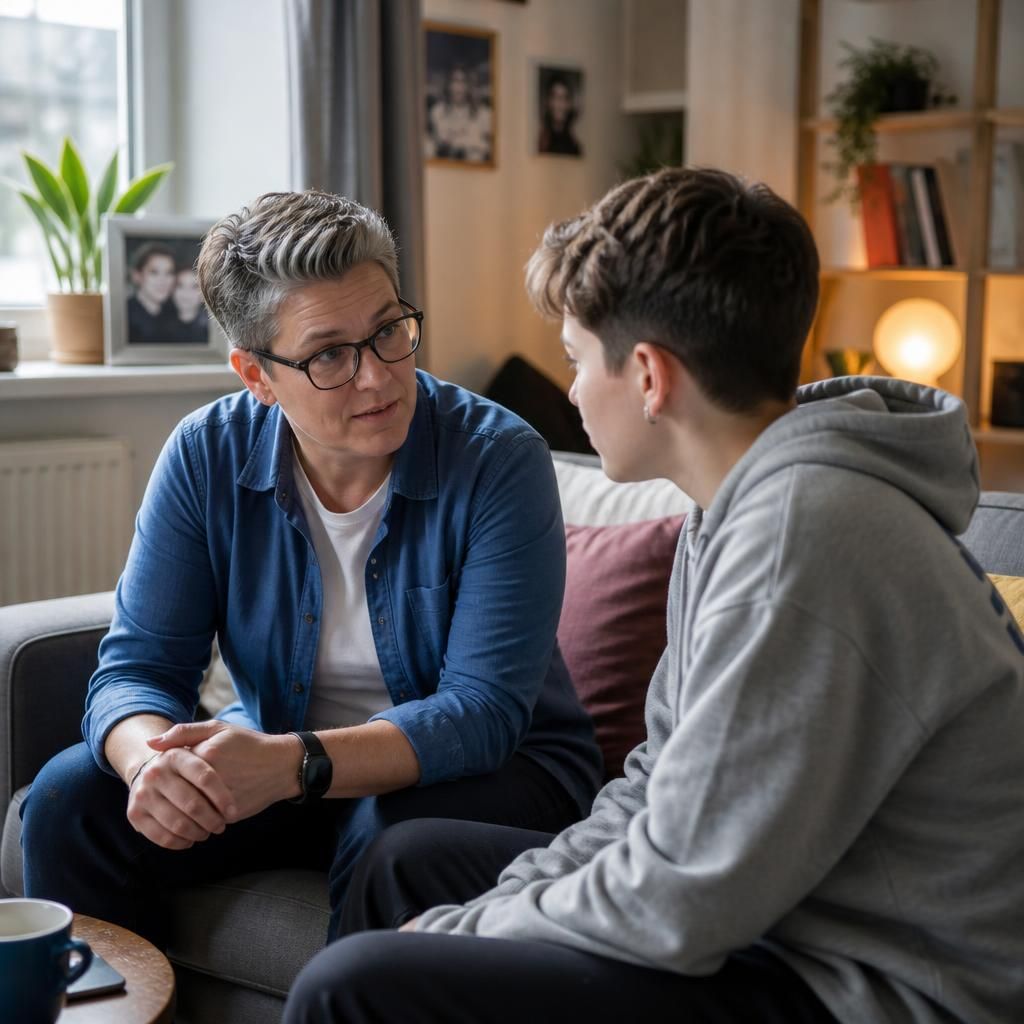
Missing episodes can create additional safeguarding concerns for LGBTQ+ young people, particularly where conflict at home, discrimination or fear of disclosure has contributed to them leaving. Foster carers should follow the child’s agreed missing-from-care procedure, share information with the relevant professionals and record the circumstances, known contacts and any risks identified.
When the young person returns, the priority is safety rather than punishment. Carers should allow them to settle, check for immediate health or safeguarding concerns and support an appropriate return conversation or independent interview. Patterns such as repeated absences, contact with unsafe adults or reluctance to explain where they have been should lead to a review of the placement’s risk management plan.
Discuss LGBTQ+ specialist foster care with our team
Discuss your questions about safeguarding in LGBTQ+ foster care with our team and explore how the assessment, training and support process can address your circumstances.