
Do specialist foster care options require adaptations to my home?
Not necessarily. Whether adaptations are needed depends on the child’s assessed needs and the safety, space and accessibility of your home; your assessing team will discuss any suitable changes or equipment with you before a placement begins.
Partnering with an
Ofsted Outstanding Provider
Specialist fostering does not automatically mean that your home must undergo major alterations. The assessment focuses on whether the home can provide a safe, suitable and manageable environment for a particular child, and any changes are considered in relation to that child rather than as a standard requirement for every specialist placement.
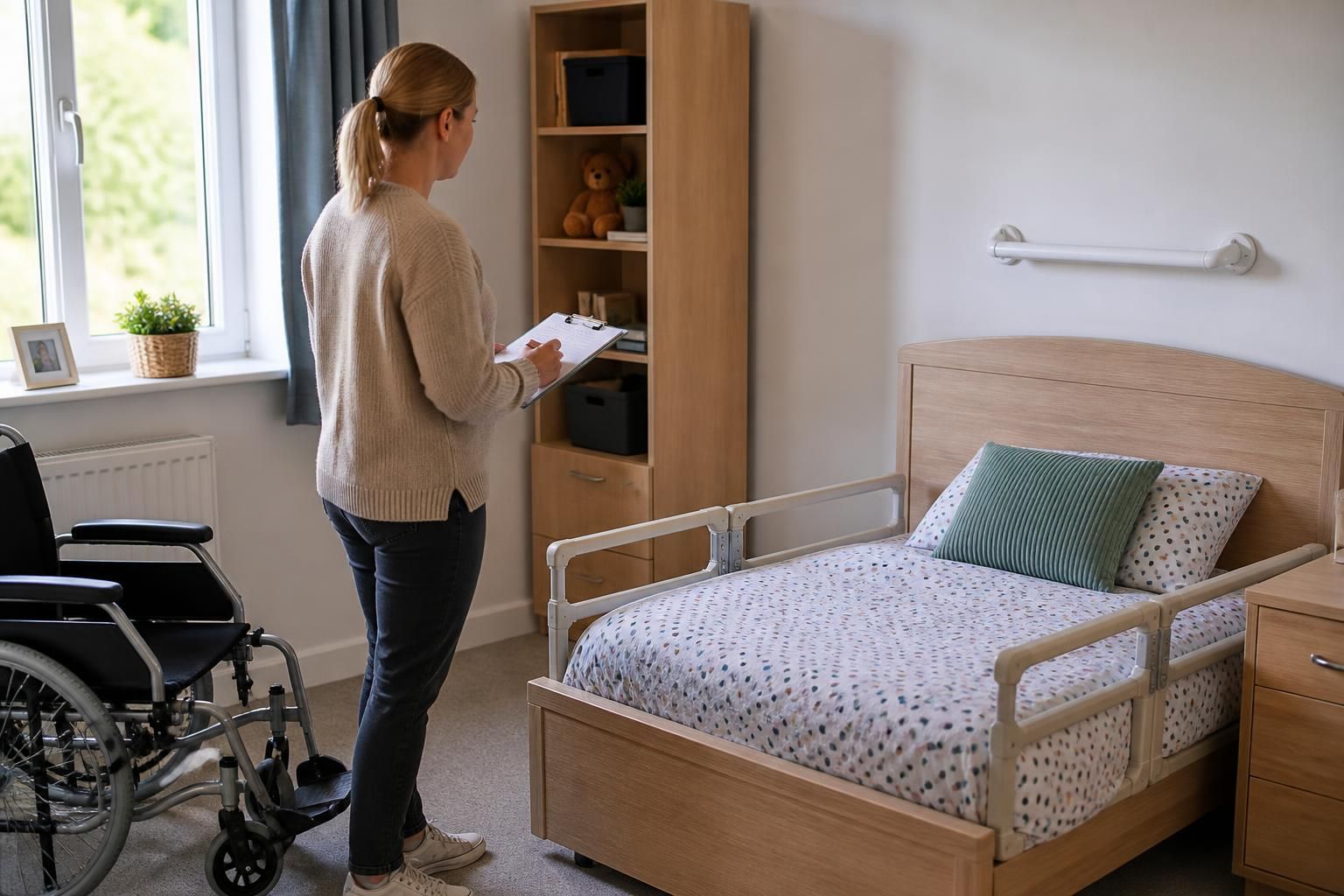
Before approval, the assessment will consider how the household is arranged and how the child would use it. This can include:
- the bedroom and sleeping arrangements, including privacy and space for personal belongings;
- access to bathrooms, kitchens, entrances, gardens and communal areas;
- potential hazards such as stairs, windows, ponds, traffic or unsecured items;
- storage for medication, cleaning products, equipment and confidential records;
- the likely impact of noise, lighting, visitors, pets and other sensory factors; and
- whether other household members can maintain safe boundaries and routines.
Depending on the child’s profile, practical measures might include additional locks, stair gates, window restrictors, safer storage, improved lighting, blackout blinds, grab rails, furniture changes or equipment to support mobility. For a child with sensory needs, the most useful change may be a calmer area with fewer distractions rather than a structural alteration. For a child with complex health needs, specialist equipment or changes to the way space is used may need to be considered.
Adaptations are normally discussed as part of the assessment and matching process. The assessing team will look at the existing layout, identify any risks and consider whether they can be managed through supervision, household routines, equipment or a physical change. This helps avoid making unnecessary alterations before there is a clear understanding of a child’s needs.
If you rent your home, you may need permission from your landlord before making changes. For more substantial work, building, planning or occupational therapy advice may also be relevant. Homeowners should check whether proposed alterations affect insurance, access or other safety requirements. These practical responsibilities should be clarified before any work or equipment is arranged.
The cost and ownership of adaptations can vary according to the child’s assessed needs, the type of equipment and the organisations involved. Do not assume that you must meet every cost yourself or that every request will be funded automatically. Ask what support is available, who will arrange the work, whether permission is required and what happens to equipment when the placement ends.
A home does not have to look clinical or be completely redesigned to support a specialist placement. The important question is whether the arrangement is safe, suitable and realistic for the child and the people living in the household. Where a proposed adaptation is not practical, the team may consider alternative ways of managing the need or whether a different placement match would be more appropriate.
Needs can also change after a placement begins. If a child’s mobility, health, behaviour or sensory needs develop, the placement plan can be revisited and further advice may be considered. Foster carers should raise concerns early rather than attempting unfamiliar adaptations or specialist care arrangements without guidance.
During your fostering assessment, provide accurate information about your home, including any existing adaptations, access limitations and restrictions imposed by a landlord. This allows the team to consider suitable specialist options realistically and identify any preparation needed before approval or before a specific child is introduced to the household.
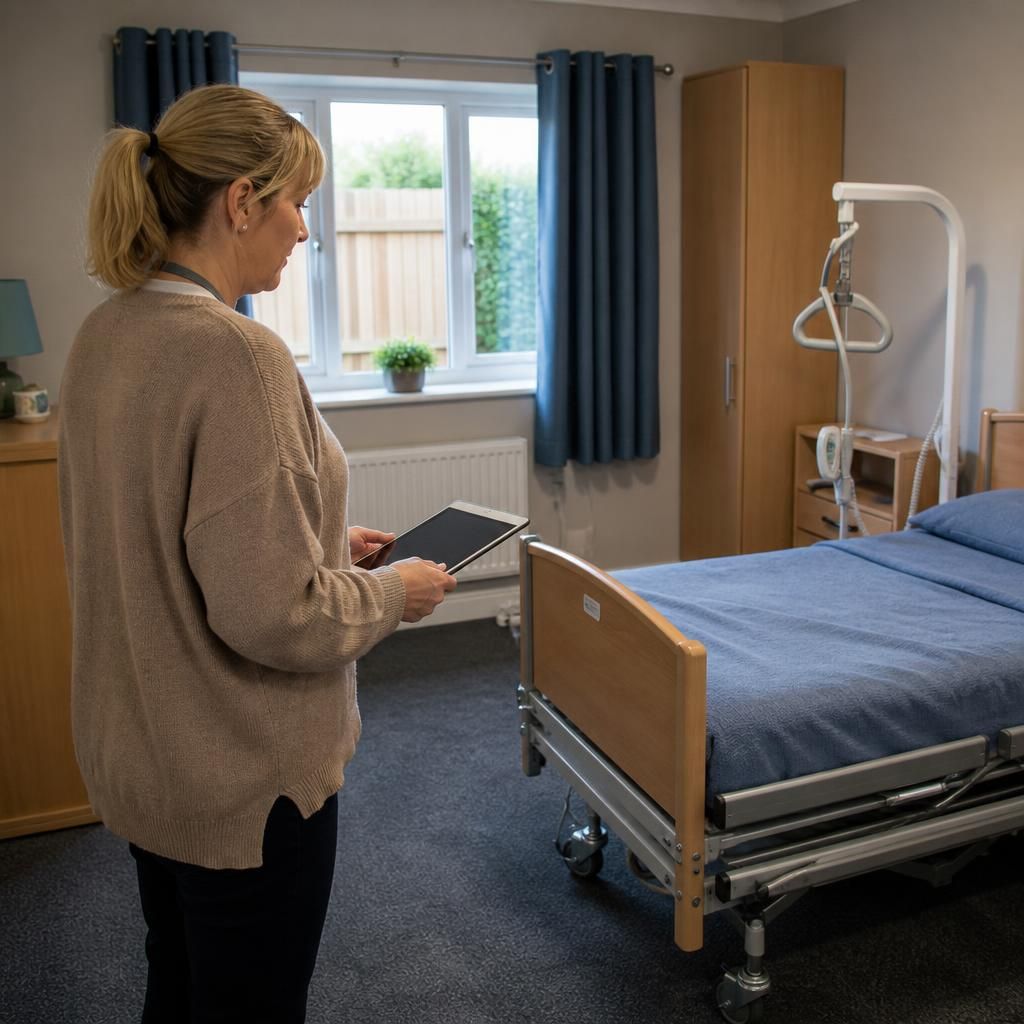
Before agreeing to a specialist placement, make sure any proposed adaptation or equipment is clearly recorded alongside the child’s care arrangements. You should understand what the item is intended to achieve, who is responsible for arranging installation, whether you need training to use it, and who will maintain or remove it.
This information helps everyone follow the same approach and prevents uncertainty if the child’s needs change. It is also sensible to discuss how an adaptation will affect daily routines, privacy and other members of the household. A practical arrangement should support the child’s care without creating avoidable risks or making responsibilities unclear.
Discuss home adaptations for specialist foster care
If you are considering specialist fostering, contact our team to discuss your household’s circumstances and the assessment process. They can explain what information to provide about your home before you decide whether to apply.