
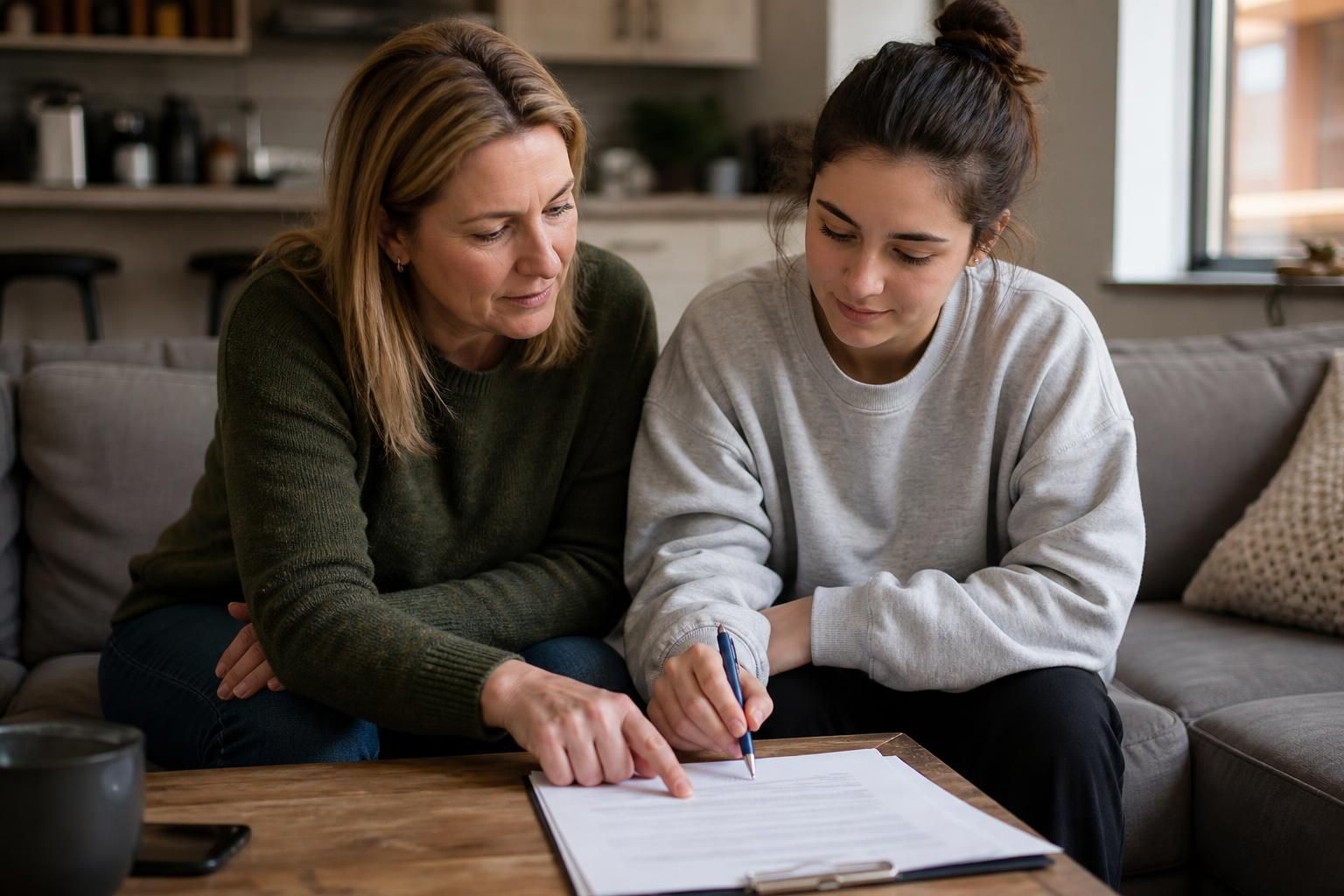
How is safeguarding maintained in staying put arrangements?
Safeguarding in staying put arrangements is maintained through a clear written agreement, agreed boundaries and an assessment of the young person’s ongoing needs and risks. Regular reviews, practical guidance and continued support for both the young person and former foster carer help identify concerns and keep the arrangement safe.
Partnering with an
Ofsted Outstanding Provider
Safeguarding in a staying put arrangement is maintained by adapting the safeguarding plan to the young person’s new legal status, while continuing to manage risks in the household and wider community. The arrangement is no longer a foster placement once the young person reaches adulthood, so the former foster carer, young person, local authority and fostering service must be clear about their respective responsibilities.
A staying put arrangement should be considered as part of the young person’s pathway planning. This includes identifying risks linked to accommodation, relationships, exploitation, substance misuse, mental health, online activity, missing episodes and contact with unsafe adults. The plan should explain how concerns will be recognised, who should be contacted and what action is needed if the situation becomes unsafe.
Safeguarding also depends on the former foster carer continuing to follow safe-care principles. This may include:
- maintaining appropriate privacy and personal space within the home;
- being clear about access to rooms, keys, visitors and overnight guests;
- protecting confidential information and discussing what can be shared with professionals;
- recognising changes in behaviour, mood, presentation or relationships that may indicate harm;
- agreeing how household conflict will be managed without intimidation, threats or coercion; and
- considering the safety of everyone else living in or visiting the household.
The young person should be involved in safeguarding decisions and given information in a form they can understand. They should know that becoming an adult does not mean they have to manage serious risks alone. They should be able to identify trusted adults and professional contacts, understand how to report abuse or neglect, and know what to do if they feel threatened, pressured or unable to return home safely.
Consent and confidentiality require careful handling. An adult care leaver generally has greater control over personal information than they did as a child, but information may still need to be shared without consent where there is a serious concern about their safety or another person’s safety. The reasons for sharing information should be recorded and explained wherever it is safe and appropriate to do so.
Professionals should also distinguish between ordinary disagreements in a shared home and safeguarding concerns. A dispute about household tasks is not automatically an allegation of harm, but patterns of controlling behaviour, financial exploitation, violence, sexual abuse, harassment or neglect require prompt consideration. The former foster carer should report concerns through the agreed route rather than attempting to investigate them personally.
If an allegation is made against a former foster carer, or the carer raises a concern about the young person, the matter should be passed to the relevant safeguarding or social care professionals. The response may involve speaking separately with those involved, considering immediate safety, recording information accurately and deciding whether other agencies need to be informed. The carer should not promise secrecy, confront an alleged perpetrator or question someone repeatedly about an incident.
Physical changes to the accommodation can support safety too. Depending on the assessed need, this might involve secure storage for medication or documents, safer arrangements for visitors, suitable privacy in shared areas, or adjustments that reduce risks associated with disability or mental health. Any practical measure should respect the young person’s independence and dignity rather than treating them as a child.
Safeguarding should be revisited when circumstances change. Examples include a new partner moving into the home, changes in household membership, a serious illness, increased substance use, financial difficulties, a breakdown in communication, a significant mental health concern or a period when the young person is missing. These changes may mean that the arrangement needs additional support, a fresh risk assessment or a different accommodation plan.
Former foster carers should seek advice when they are unsure whether a concern is a safeguarding matter. They should use the contacts recorded in the staying put paperwork, such as the personal adviser, social worker, fostering service or local authority safeguarding team. If there is immediate danger, the appropriate emergency service should be contacted. Keeping dated, factual notes of significant incidents, advice received and actions taken can help professionals understand the situation and respond consistently.
Good safeguarding does not remove the young person’s right to make adult choices. It provides a clear process for balancing independence with protection, ensuring that risks are noticed, concerns are escalated appropriately and both the young person and former foster carer understand where to obtain help.

Safeguarding in a staying put arrangement should include opportunities for the young person to speak privately with a professional, without the former foster carer present. This helps them raise concerns about pressure, conflict, neglect or feeling unsafe, particularly where they are worried that speaking openly could affect their accommodation.
Reviews should therefore give the young person a genuine opportunity to describe how the arrangement is working and whether they feel respected and safe. They should understand how to make a complaint, ask for an independent advocate where appropriate, and contact their personal adviser or social worker if they do not feel able to discuss an issue with the carer.
The professional record should reflect the young person’s views as well as the carer’s account. If their accounts differ, this should be explored carefully rather than treated as an ordinary disagreement. A private conversation, clear explanation of the next steps and access to independent advice can help identify concerns that might otherwise remain hidden.
Discuss safeguarding in staying put arrangements
If you are considering fostering, contact Become a Foster Family to discuss the safeguarding responsibilities involved when a young person moves into a staying put arrangement. Our team can explain the preparation, guidance and ongoing support available to foster carers.