

How are cultural and identity needs reflected in independent living preparation?
Independent living preparation should reflect each young person’s culture, faith, ethnicity, language, sexuality, gender identity, disability and family connections, so that plans are relevant and respectful. This may include culturally appropriate cooking and self-care skills, support to maintain important relationships and community links, and help to access services that understand the young person’s identity and needs.
Partnering with an
Ofsted Outstanding Provider
Cultural and identity needs are reflected in independent living preparation by making the plan individual, practical and led by the young person wherever possible. Their identity should influence what is taught, how support is provided, who is involved and what a successful move towards adulthood looks like. Preparation is not a separate exercise added to a standard checklist; it is adapted so that the young person can develop independence without having to set aside important parts of who they are.
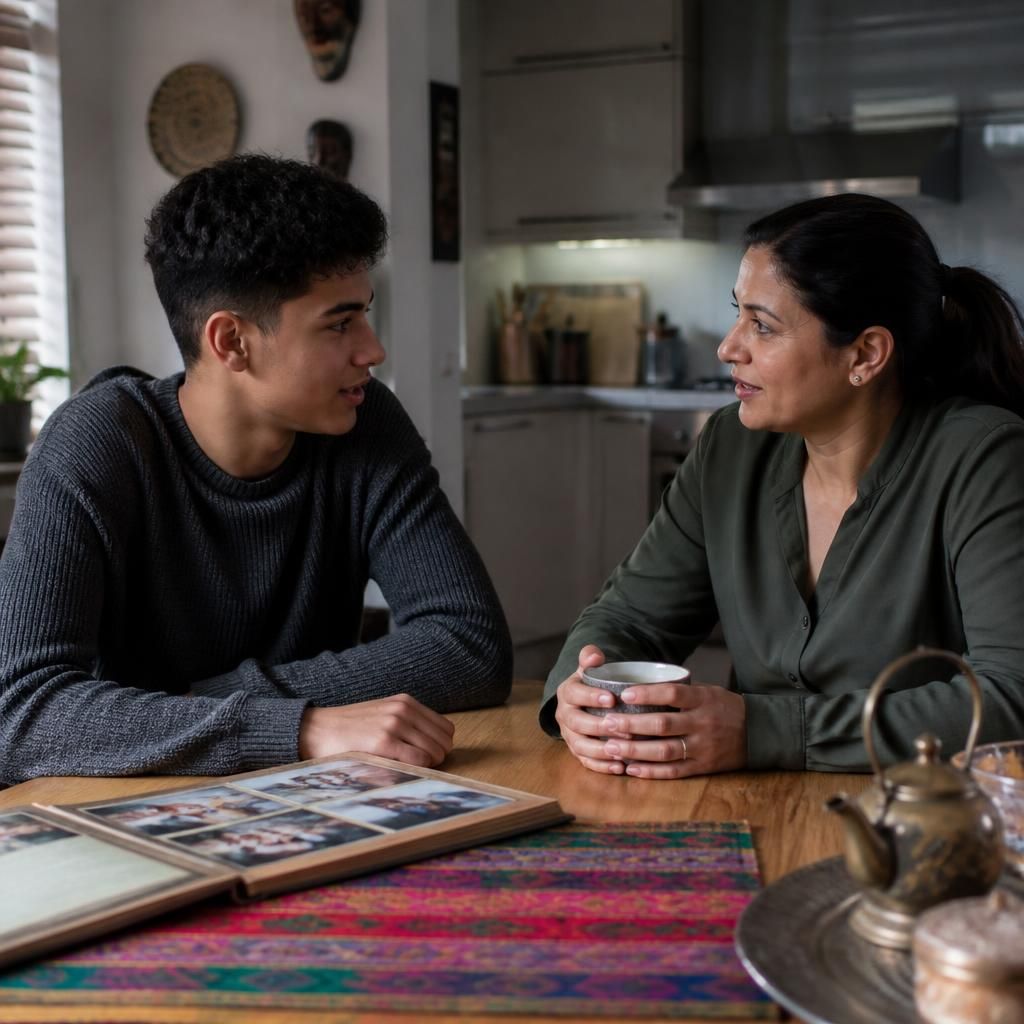
The starting point is a respectful conversation about what matters to the young person. This may include how they describe themselves, which traditions or beliefs they follow, what makes them feel safe, and which aspects of their identity they want adults to understand. They should not be expected to disclose personal information before they are ready. Practitioners should use the young person’s preferred name and language, ask rather than assume, and recognise that identity can develop over time.
This discussion should inform an assessment of everyday living skills. For example, preparation may need to consider:
- whether the young person needs support to explain their identity or request reasonable adjustments when dealing with landlords, colleges, employers, health professionals or other services;
- how they will find food, clothing, toiletries or personal care items that are suitable and acceptable to them;
- whether their accommodation will allow them to practise important routines privately and safely;
- how they will manage questions, prejudice or discrimination in education, work, housing and community settings;
- what arrangements will help them observe religious or cultural practices after leaving care; and
- which trusted adults, peers, groups or professionals they can contact if they feel isolated or unsafe.
Support should be practical rather than based on assumptions. A young person might need help comparing housing areas, checking whether a prospective home is close to relevant community facilities, planning travel to maintain important connections or identifying inclusive local services. Another young person may prefer greater privacy and may need advice about boundaries, online safety and deciding who to tell personal information. The plan should reflect their choices and assessed needs, not an adult’s view of what their identity ought to require.
Young people should be involved in deciding their goals and how progress will be reviewed. Their views can be recorded in clear terms, including what support they want, what they can already do, what they are practising and what would make a task difficult. Where a young person communicates in a way that is not easily captured through conversation, adults should use suitable communication methods and allow enough time for meaningful participation. An advocate or trusted person may help them express their views, provided the young person agrees.
Independent living preparation also needs to account for the effects of discrimination, displacement, trauma or previous rejection. These experiences may affect confidence with officials, willingness to ask for help or expectations about being accepted. Practising scenarios can help, such as contacting a service, challenging an inappropriate comment, reporting a housing problem or asking for an adjustment. The aim is not to make the young person responsible for other people’s behaviour, but to ensure they know their options and have support when problems arise.
Adults involved in the plan should have enough understanding to provide consistent support. This may involve training, consultation with specialist services or guidance from people with relevant cultural or lived experience. It is important to avoid tokenism: one person should not be treated as a spokesperson for an entire community, and cultural information should not replace listening to the individual young person. Confidential information should be shared only when necessary and appropriately, particularly where identity-related disclosures could affect safety or relationships.
Identity-related goals should be reviewed as circumstances change. A move, change of placement, new relationship, course, job or health need may alter the support required. Reviews should check whether the young person feels respected, whether planned arrangements work in practice and whether they are becoming more confident in making their own choices. If an approach is unsuitable, it should be changed rather than treating the young person’s difficulty as a lack of independence.
For foster carers, the most useful approach is to combine ordinary life-skills teaching with attentive, non-judgemental support. This can include budgeting for personally important items, planning appointments, understanding rights and responsibilities, using public services and making decisions about relationships and privacy. The young person should be encouraged to build their own support network, while knowing which adults remain available to help them understand unfamiliar situations.
When cultural and identity needs are properly included, independent living preparation becomes more realistic and sustainable. The young person is supported to manage practical responsibilities while retaining connection, dignity, choice and control. These considerations should be visible in the pathway plan and revisited throughout the transition, rather than addressed only shortly before the young person leaves care.
Cultural and identity needs should also influence how readiness for independent living is judged. Needing particular support with communication, personal care, faith practices or access to community does not mean a young person lacks independence. The relevant question is whether they can make informed choices, arrange suitable support and manage daily life in a way that respects who they are.
Pathway planning should distinguish between a task the young person can reasonably take on themselves and an adjustment that services, carers or other adults must provide. For example, a young person may be able to organise an appointment but still need an interpreter, accessible information or a service that understands their religious or identity-related needs. This prevents independence from being measured against a narrow, standardised model.
Where identity-related needs create practical complications, adults should discuss options openly with the young person and record the agreed approach. Plans should not require them to choose between receiving help and expressing their identity. Instead, preparation should build the skills and confidence to request appropriate support, understand their rights and make decisions about the assistance they accept.
Discuss independent living preparation with our fostering team
Speak to our fostering team to discuss how foster carers can support young people’s cultural and identity needs as they prepare for adulthood and independent living.