
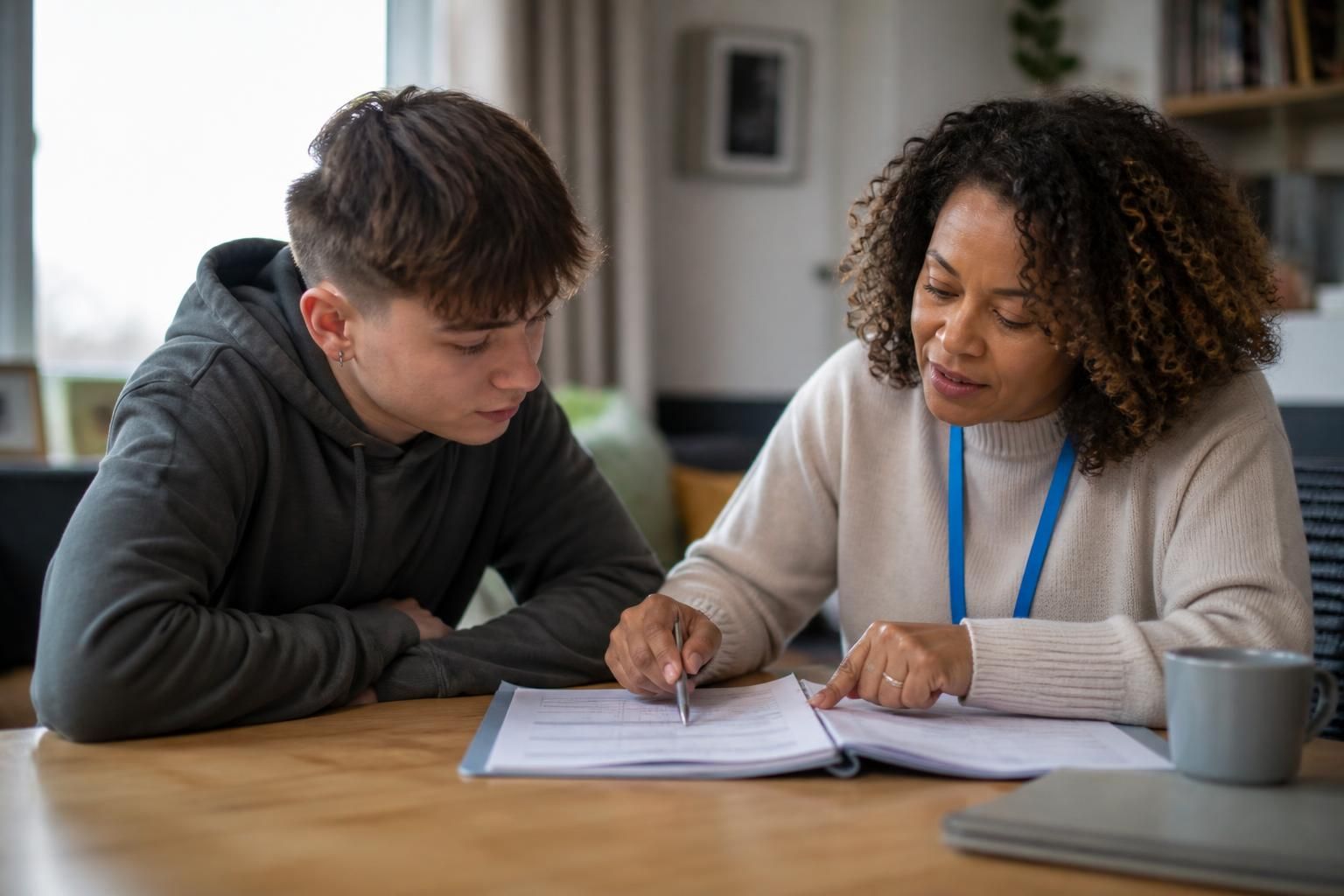
How are independent living goals recorded in a young person’s pathway plan?
Independent living goals are recorded in a young person’s pathway plan as clear, achievable outcomes, with agreed actions, timescales and details of who will provide support. The plan is reviewed regularly with the young person so progress, changing needs and any further preparation can be recorded.
Partnering with an
Ofsted Outstanding Provider
A young person’s pathway plan records independent living goals as part of a broader, personalised plan for life after care. It shows what the young person wants to achieve, what is already in place, what still needs to happen and how their progress will be evidenced. The plan should be practical enough to guide day-to-day support, while allowing the young person’s ambitions and circumstances to change.
The plan is usually developed with the young person, their social worker and personal adviser. Foster carers, family members, education staff, health professionals or other trusted adults may contribute where this is helpful and appropriate. The young person’s views should be clearly identifiable rather than replaced by professional wording. Recording their preferences, concerns and priorities helps ensure that the pathway plan is done with them, not simply written about them.
Independent living goals are commonly organised under areas such as:
- Practical home skills: preparing meals, cleaning, laundry, shopping, managing belongings and understanding household responsibilities.
- Money management: opening and using a bank account, planning spending, paying bills, understanding income and seeking help with financial decisions.
- Education, employment and training: maintaining attendance, applying for courses or jobs, preparing for interviews and identifying support needed to continue learning.
- Health and wellbeing: registering with health services, attending appointments, managing medication where relevant and knowing how to seek help.
- Accommodation: understanding available housing choices, maintaining a tenancy and knowing what to do if accommodation becomes unsuitable.
- Relationships and safety: identifying trusted people, maintaining safe connections, recognising exploitation or harmful situations and knowing where to report concerns.
- Identity and personal development: recording cultural, religious, communication and identity needs, alongside activities and relationships that support confidence and belonging.
Each goal should be specific to the young person rather than a general statement such as “become independent”. For example, the plan might record that the young person wants to prepare three simple meals independently, understand their regular outgoings or make their own health appointments. It can also record the starting point, including skills the young person already has and areas where they need further practice. This avoids treating independence as an all-or-nothing state.
A useful pathway plan distinguishes between the outcome being worked towards and the steps that will help achieve it. It may also identify the evidence that will show progress, such as completing a budgeting exercise, attending an appointment independently, cooking a meal safely or managing a household task over an agreed period. Evidence should be proportionate: the purpose is to understand development and arrange suitable help, not to create unnecessary tests.
The record should also explain any barriers. These might include anxiety, additional learning needs, physical or mental health needs, limited experience of household tasks, disrupted education, difficulties with communication or uncertainty about housing. The plan can then show reasonable adjustments and the people responsible for helping. Where a goal is not currently realistic, it should be adapted rather than removed without discussion.
Good recording makes responsibility clear. A young person may lead one task, a foster carer may provide opportunities to practise another, and a personal adviser or social worker may arrange specialist advice or services. The plan should show how adults will work together and what the young person can do if support is not provided. It should not place every responsibility on the young person before they are ready.
Pathway plans are reviewed as circumstances develop. A review may record progress, partial progress, a change in priorities or a reason why a goal needs to be amended. Moving home, starting work, changing education, a health development, a change in relationships or a new housing option can all affect the plan. If the young person disagrees with what has been recorded, their view should be included and the disagreement considered rather than hidden.
In England, pathway planning is connected with the support available to care leavers, including the role of the personal adviser. The plan should therefore be more than a checklist of life skills. It should connect independent living goals with practical arrangements for accommodation, education or employment, finances, health, relationships and continuing advice. It should also state what support remains available when a young person needs to revisit a goal or experiences a setback.
Foster carers can help by sharing accurate observations, offering safe opportunities to practise skills and checking that the written plan reflects everyday progress. They should avoid recording assumptions or presenting normal learning difficulties as failure. A young person’s pathway plan is most useful when it remains understandable, current and genuinely owned by the young person, with enough detail to guide support without limiting their choices.
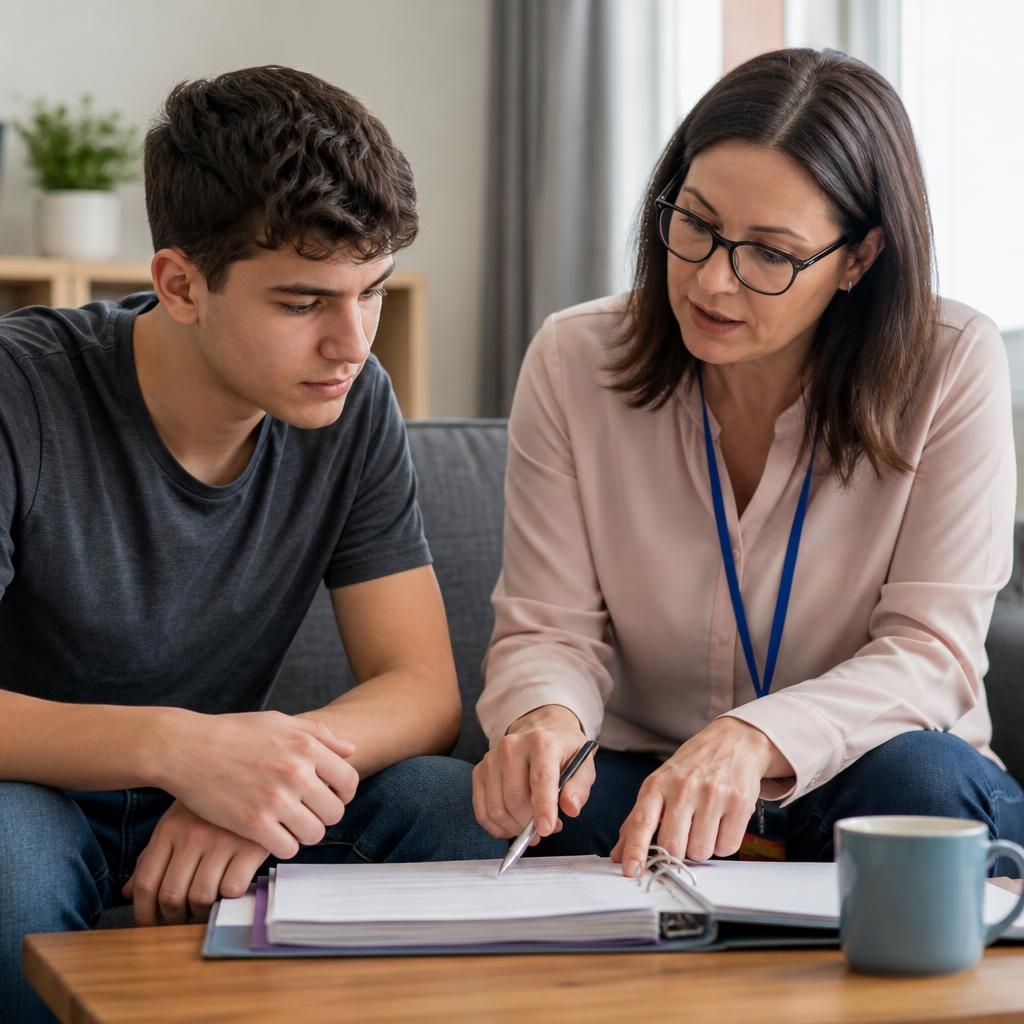
A pathway plan should provide a clear record of how decisions about independent living goals have developed over time. Each review entry should be dated and show whether a goal has been achieved, remains in progress, has been postponed or needs changing. If a target is amended, the record should explain why, including any change in the young person’s circumstances or views, rather than simply replacing the original wording.
Keeping earlier entries visible creates a useful audit trail. It helps the young person and the adults supporting them see what has already been tried, avoid repeating work and identify where agreed support has not happened. The record should also capture the young person’s response to each decision, including any disagreement, so that the pathway plan reflects both the actions agreed and the reasoning behind them.
Find out how fostering supports independent living
If you are considering fostering, explore how foster carers can support young people to develop the skills and confidence needed for independent living.