
When does independent living preparation begin in foster care?
Preparation for independent living in foster care should begin early, rather than waiting until a young person is close to leaving care. It is introduced gradually and adapted to their age, development, circumstances and readiness, building practical skills, confidence and decision-making over time.
Partnering with an
Ofsted Outstanding Provider
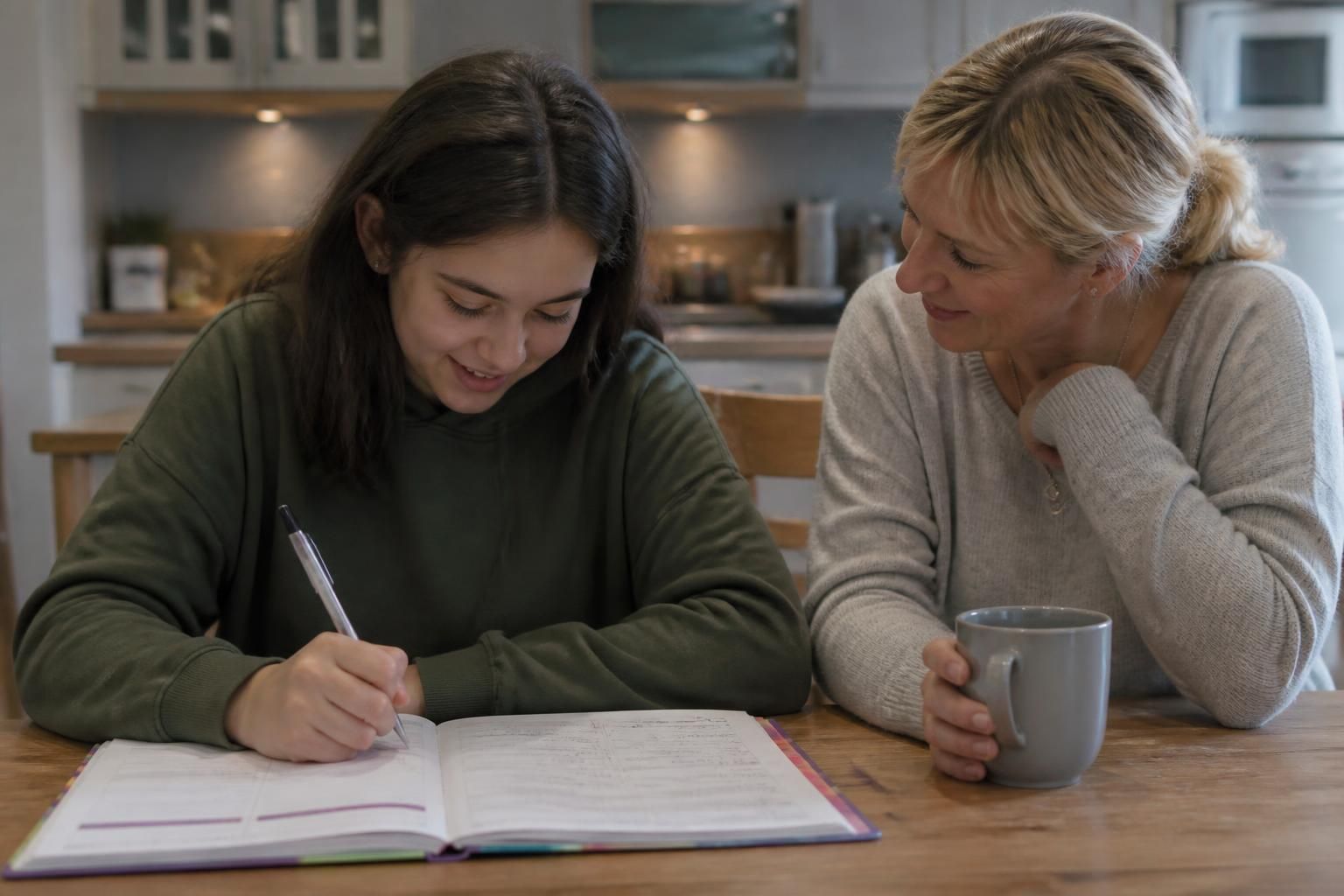
Independent living preparation in foster care begins from the point a young person enters care, through the ordinary routines and decisions of daily life. It is not a separate course that starts shortly before leaving care. Foster carers and the wider professional network use everyday opportunities to develop practical ability, confidence, judgement and a realistic understanding of future choices.
The timing and content should be individual. A young person’s age, developmental stage, previous experiences, emotional wellbeing, health, education, communication needs and expected length of time in care all affect what preparation is appropriate. Someone who has experienced instability may first need help with trust, routines and emotional regulation before taking on more responsibility. Another young person may already manage some household tasks but need support with budgeting, accommodation or relationships.
In practice, preparation often develops through ordinary activities such as:
- choosing suitable clothing, food or personal items within an agreed budget;
- keeping a bedroom and shared spaces safe and reasonably organised;
- learning to prepare simple meals and understand food hygiene;
- using public transport, attending appointments and finding local services;
- understanding personal safety, online risks, boundaries and healthy relationships;
- looking after personal documents, medication and important contact details; and
- learning how to ask for help, explain a problem and make informed decisions.
These activities should be introduced as shared tasks, not tests. A foster carer might cook alongside a young person before expecting them to prepare a meal independently, or discuss spending decisions before providing responsibility for a larger amount of money. The aim is to offer enough guidance to keep the young person safe while allowing them to practise, make manageable choices and learn from mistakes.
For younger children, preparation may involve simple responsibilities and understanding that adults have different roles and expectations. As a young person becomes older, discussions can become more specific. They may cover education or employment, managing money, personal identity, health appointments, housing preferences, contact with family, and the people they can rely on after leaving care. The young person’s views should influence these discussions rather than adults deciding their future without them.
Formal planning becomes increasingly important during adolescence. The social worker, foster carer, young person and other relevant professionals should identify the skills that need developing, agree realistic actions and record progress in the young person’s care planning and pathway planning documents. Preparation should also take account of the proposed next step. Moving to supported accommodation, returning to family, remaining with foster carers or managing a tenancy each involves different expectations and levels of support.
A useful plan distinguishes between:
- skills the young person can manage independently;
- tasks they can complete with reminders or supervision;
- areas where they need direct help; and
- knowledge or skills that have not yet been introduced.
This prevents assumptions based on age alone. A young person may be confident travelling independently but need help with cooking, or understand budgeting in theory but struggle to manage money when distressed. Reviews should consider what happens in real situations, not only whether a task has been demonstrated once. Progress can change with stress, placement moves, changes in education or health, and contact arrangements.
Foster carers have an important role because they can connect formal plans with daily life. They can model household responsibilities, explain why decisions are made, provide supervised practice and give constructive feedback. They should also share relevant observations with the social worker, including strengths, worries and situations in which the young person needs more support. This helps the plan remain accurate rather than becoming a record that is only updated at formal meetings.
Preparation should never mean withdrawing care before a young person is ready. Increased responsibility needs to be balanced with safeguarding, emotional support and the right to make mistakes safely. If a task leads to repeated difficulty, the answer may be more teaching, a smaller step, practical aids or a different type of support, rather than treating the difficulty as a failure.
The plan should be revisited whenever circumstances change and as the young person gains experience. A young person’s goals may alter, and their route into adulthood may not be straightforward. Starting discussions early allows time to identify gaps, involve appropriate services and make arrangements before a move or change in support becomes urgent. It also makes independent living preparation a continuing part of care, rather than a final checklist completed at the point a young person leaves foster care.

Independent living preparation begins with a shared understanding of what independence means for that young person. It does not necessarily mean living alone or managing every responsibility without help. For one young person, the next step may be greater choice within a family placement; for another, it may involve supported accommodation with regular guidance.
Foster carers can begin by asking what the young person wants to be able to do, what they find difficult and which trusted adults they would turn to for help. These conversations help separate genuine readiness from pressure to appear independent and make it easier to agree manageable responsibilities. Preparation is therefore shaped not only by age, but by the young person’s aspirations, confidence and need for continued relationships and support.
Explore how foster carers support independent living
To explore the practical role foster carers play in helping young people build independence, read our guide to how foster carers support independent living.