

How are supported lodgings hosts assessed?
Supported lodgings hosts are assessed through an application, suitability checks, references, interviews and a home assessment to establish whether they can provide a safe, stable and appropriate environment for a young person. The process also considers your motivation, household circumstances, practical arrangements and ability to work with professionals, alongside required safeguarding checks and preparation training.
Partnering with an
Ofsted Outstanding Provider
Supported lodgings hosts are assessed through a proportionate suitability process that looks at the whole household, the accommodation available and your ability to offer safe, consistent support to a young person. The assessment is not simply about whether you have a spare room; it considers whether the arrangement is realistic, appropriate and sustainable for everyone involved.
A key distinction is that supported lodgings hosts are not usually expected to provide the same level of day-to-day parenting as foster carers. Young people are generally preparing for greater independence, so the assessment explores whether you can offer guidance, reasonable household expectations and practical help while respecting their privacy and developing autonomy.
During the assessment, you can expect detailed discussion about:
- Your reasons for hosting: assessors will want to understand what has led you to apply, what you expect the role to involve and how you would respond if the reality differed from your expectations.
- Your household: everyone who lives in the property may need to be included in the process. Their views, routines, relationships and understanding of the role are relevant because hosting affects the entire household.
- Your approach to boundaries: you will need to consider house rules, visitors, use of shared spaces, confidentiality, substance misuse, curfews where appropriate and how concerns would be reported.
- Your communication skills: assessors consider how you would listen to a young person, encourage independence, manage disagreements and work constructively with their support network.
- Your practical capacity: this includes the space available, household commitments, transport and whether you can provide a consistent base for the proposed arrangement.
Safeguarding checks form an important part of the process. The organisation will explain which checks are required, who must complete them and how information is considered. This can include checks on adults in the household, identity verification, references and health information relevant to carrying out the role safely. A previous conviction or difficult personal circumstance does not automatically mean that an application cannot proceed; it is assessed carefully in context, with honesty being essential.
References are used to build a fuller picture of your reliability, judgement and relationships. Referees may be asked about your character, responsibility and ability to manage challenging situations. You should choose people who know you well enough to provide useful, independent information and tell them that they may be contacted as part of the assessment.
The home visit allows the assessor to discuss how the accommodation would work in practice. They may look at the young person’s bedroom, access to bathroom and kitchen facilities, privacy, household safety and any issues that could affect their wellbeing. The property does not need to look like a show home, but it should be clean, suitably maintained and capable of providing an appropriate level of privacy. Any required permissions, such as agreement from a landlord or other household decision-maker, should be clarified before an arrangement begins.
Interviews are an opportunity to explore real-life situations rather than test whether you can give perfect answers. You may be asked how you would respond if a young person:
- did not follow an agreed household routine;
- became withdrawn, distressed or angry;
- invited someone to the property without agreement;
- shared information suggesting a safeguarding concern; or
- needed encouragement with education, appointments, budgeting or other independent-living skills.
The assessment also considers whether you understand the limits of the host role. You should know when to offer practical support, when to encourage the young person to make their own decisions and when to contact the allocated professional. Hosts are not expected to manage serious concerns alone. Being willing to record relevant information, attend meetings and share concerns appropriately is part of working safely with professionals.
Preparation training normally takes place before approval or before a placement starts, depending on the local process. It may cover safeguarding, confidentiality, safer caring, professional boundaries, trauma and loss, equality, managing conflict, promoting independence and responding to emergencies. Training is not just a formality: it helps you decide whether the role matches your skills, circumstances and expectations.
At the end of the assessment, the information gathered is reviewed against the organisation’s requirements. You should receive an explanation of the outcome and any actions that need to be completed before a young person can be placed. Approval may be limited by factors such as the accommodation, household circumstances or the type of support you can offer. If circumstances change later—for example, someone moves into the household, the property changes or your availability is affected—the organisation should be told so that the arrangement can be reviewed safely.
You can prepare by being open about your circumstances, discussing the role with everyone in your household, checking that the accommodation is suitable and thinking realistically about boundaries and independence. The purpose of assessment is to establish whether supported lodgings are a safe and workable option, as well as to identify the preparation and support you may need to carry out the role responsibly.
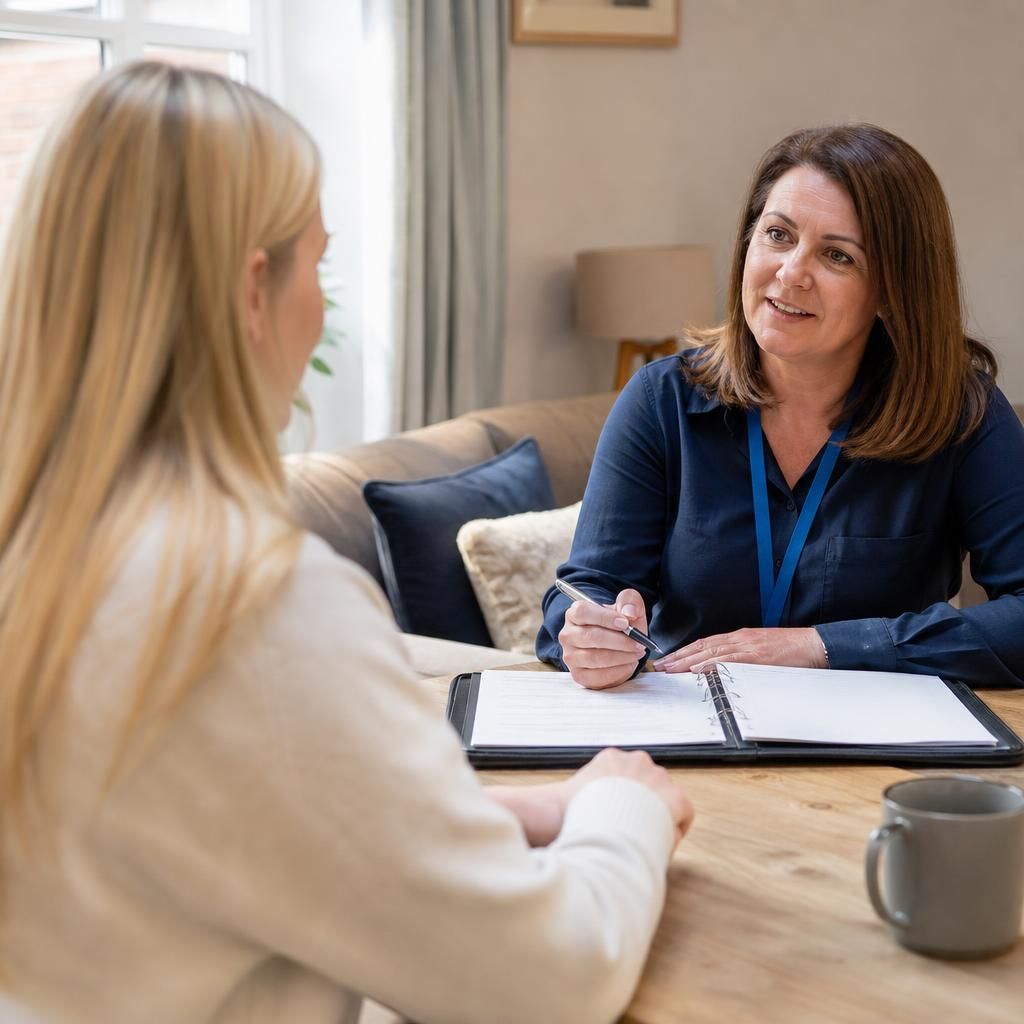
Assessment is also an opportunity to understand exactly what being a supported lodgings host will involve before you make a commitment. Ask the assessing organisation how it defines the host role, what support the young person is likely to receive from other professionals and which responsibilities would remain with you.
You can also ask how information gathered during the assessment will be recorded, who will contribute to the decision and what happens if further evidence is needed. If the organisation identifies a concern, ask whether this can be addressed through additional information, training or changes to the proposed arrangements.
It is sensible to raise practical questions before the assessment is completed, including how household agreements are reviewed, how concerns are escalated and what support is available when situations become difficult. Clear answers help you judge whether the role is suitable for your household and help the assessor understand the conditions in which you could host safely and consistently.
Explore becoming a supported lodgings host
If you are considering becoming a supported lodgings host, explore the role further and discuss whether it could suit your household. Become A Foster Family can help you understand the next steps before you decide whether to apply.