

How is privacy managed in supported lodgings?
Privacy in supported lodgings is managed through an agreed balance between the young person’s independence and the host’s safeguarding responsibilities. The young person should have their own private space, while house rules, boundaries, visitors, confidentiality and access to shared areas are discussed clearly and reviewed as circumstances change.
Partnering with an
Ofsted Outstanding Provider
Privacy in supported lodgings is managed through clear information-sharing arrangements, proportionate safeguarding checks and agreed expectations about life in a shared home. The young person is supported to develop independence, while the host and professionals retain appropriate oversight of welfare, safety and the accommodation.
Before the arrangement begins, the young person, host and coordinating team should establish what information can be shared, who needs to receive it and in what circumstances. This may include information about health, education, benefits, appointments, support needs or risks. Information should normally be shared only with people who have a legitimate role in providing support, and only to the extent necessary for that role.
The young person should be told in accessible language how their information will be recorded and used. They should know which workers may contact the host, what the host may need to report, and how to raise a concern if they believe information has been shared improperly. Consent is important where appropriate, although it cannot prevent action being taken where there is a safeguarding concern or a legal duty to share information.
Confidentiality is not absolute. A host should not promise to keep information secret if the young person discloses abuse, exploitation, serious self-harm risk or a danger to another person. The host should explain this calmly and pass the concern to the relevant support professional or safeguarding service in line with the agreed procedure. Sharing a concern promptly is intended to protect the young person, not to punish them for speaking openly.
Good privacy arrangements also cover practical handling of personal information. Hosts should:
- keep written notes, contact details and support records secure;
- avoid discussing the young person’s circumstances with neighbours, friends or relatives who are not involved in their support;
- use private settings for sensitive conversations wherever possible;
- follow the provider’s arrangements for storing, sending and disposing of records; and
- avoid posting photographs, names, locations or personal details about the young person on social media.
Digital privacy should be considered alongside physical privacy. The young person’s phone, messages, accounts and online activity are generally personal to them. A host should not search devices, demand passwords or monitor communications simply because the young person is living in the home. Any supervision linked to a known risk should be proportionate, explained in advance where safe to do so, and agreed with the coordinating team.
Privacy must also be balanced with the host’s right to feel safe and informed in their own home. Hosts may need relevant information about risks, medication, behaviour, visitors or support requirements so that they can provide accommodation responsibly. They do not usually need every detail of the young person’s history. The coordinating team should help distinguish information that is necessary for safe hosting from information that is private and does not affect the arrangement.
The approach should be reviewed if circumstances change. A new safeguarding concern, deterioration in mental health, conflict in the household, a change in support needs or a move towards greater independence may require the privacy agreement to be revisited. Reviews should involve the young person wherever possible and should record any changes clearly, including who is responsible for taking action.
If a young person feels their privacy has been breached, they can raise the issue with their allocated worker, supported lodgings coordinator or the organisation responsible for the arrangement. The concern should be considered under the provider’s complaints, safeguarding or information-governance process, depending on what happened. Hosts should also seek advice rather than attempting to investigate a serious concern themselves.
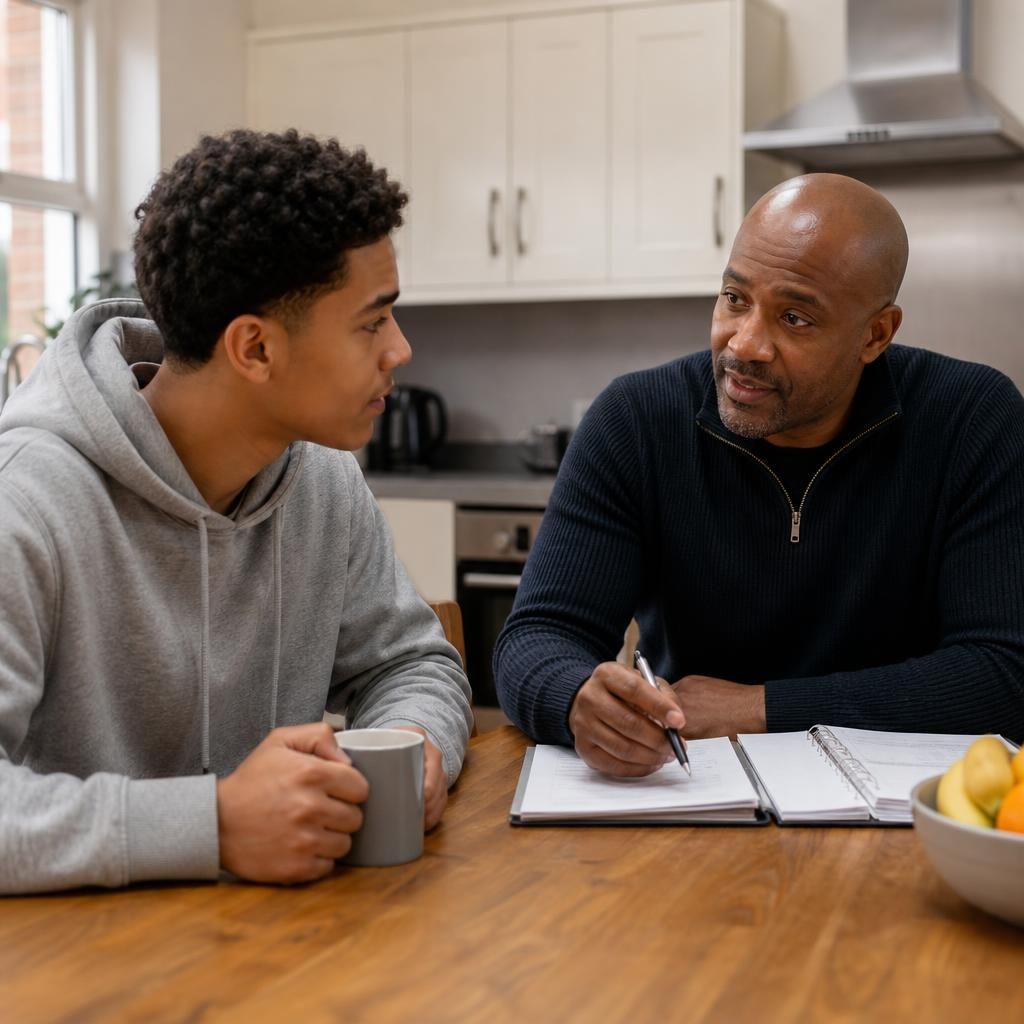
Privacy also means that a young person can communicate with professionals without the host being present for every conversation. Arrangements should allow private contact with their social worker, support worker, personal adviser, advocate or other relevant professional, where this is appropriate and safe.
The young person should be told how to request a private conversation and how to make a complaint or raise a safeguarding concern without relying on the host to pass the message on. Meetings about sensitive matters, such as wellbeing, relationships, finances or future accommodation, should take place in a setting where the young person can speak freely. The host may be included when the young person wants their support or when their involvement is necessary, but this should not remove the young person’s opportunity to express their own views.
Professionals should also check whether the young person understands the privacy arrangements and can use them in practice. This may include explaining who to contact, offering suitable communication methods and checking that the young person is not being prevented from speaking privately. If there is an immediate risk of harm, information may need to be shared through safeguarding procedures, but the reason for doing so should be explained wherever it is safe and appropriate.
Discuss privacy in supported lodgings
If you are considering supported lodgings, discuss the proposed privacy arrangements with the coordinating team before the placement begins, including how concerns can be raised and reviewed.