
What happens if a young person’s needs change during supported lodgings?
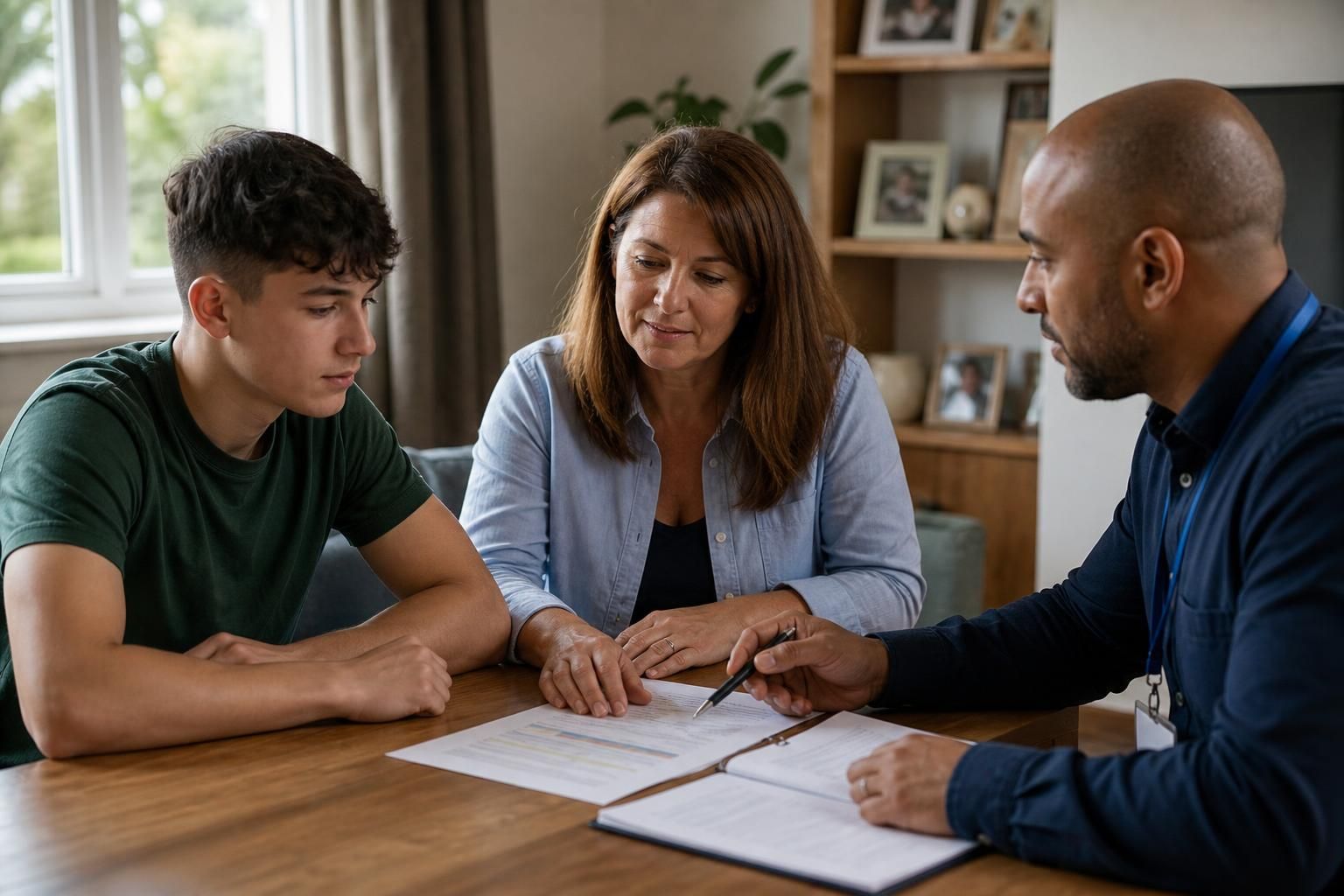
If a young person’s needs change during supported lodgings, their support plan should be reviewed with the host, young person and coordinating professionals. The arrangement may then be adapted, with additional support or a different placement considered if the young person’s needs can no longer be safely met in the current setting.
Partnering with an
Ofsted Outstanding Provider
A change in a young person’s circumstances should trigger a structured review of their placement plan, risk assessment and practical support. The purpose is to establish what has changed, whether the current arrangement remains suitable, and what action is needed to protect the young person and support the host.
Changes may involve several areas, including:
- increased anxiety, low mood, self-harm or other mental health concerns;
- new or escalating risks linked to exploitation, substance misuse, offending or unsafe relationships;
- greater independence, such as managing money, travel, cooking or appointments;
- reduced independence or difficulty managing daily living tasks;
- changes in education, employment, health, benefits or immigration circumstances;
- conflict within the household or behaviour that affects other people’s safety; and
- a change in family contact, friendships or the young person’s longer-term plans.
The young person should be involved in the review and given a clear explanation of what is being considered. Their views, wishes and preferred outcomes are important, although professionals may need to take protective action where there is a safeguarding concern or an immediate risk of harm. The host should also have an opportunity to describe what they have observed, what support they can reasonably provide and any concerns about the arrangement.
The coordinating professional will usually gather information from the young person, host and relevant services. Depending on the circumstances, this may include the social worker, personal adviser, education provider, health professional, housing worker or other agency involved in the young person’s plan. Information should be shared appropriately, with privacy respected while ensuring that safeguarding information is not withheld when someone may be at risk.
The review may result in practical changes rather than a move. These can include:
- more frequent contact with the coordinating team;
- clearer household expectations and agreed boundaries;
- additional help with budgeting, cooking, appointments, education or employment;
- referrals to mental health, substance misuse, sexual health or other specialist services;
- support for the host, including advice, supervision or further training;
- changes to the young person’s pathway plan or move-on goals; and
- a revised safety plan setting out warning signs, agreed responses and who to contact.
Any revised arrangements should be recorded in writing. The young person and host should understand what has changed, who is responsible for each action, and when the arrangements will be reviewed again. A plan should also explain what to do if the situation deteriorates between scheduled reviews.
If the young person’s needs become more complex, the coordinating team should consider whether supported lodgings remains the right type of provision. This is not determined by a single incident alone; the decision should take account of the level and pattern of risk, the host’s capacity, the effect on the household, the availability of professional support and the young person’s views. Possible outcomes may include increased specialist involvement, a temporary alternative arrangement or a planned move to accommodation better suited to the young person’s needs.
Some situations require action before a full review can take place. Immediate danger, suspected abuse or exploitation, serious self-harm concerns, violence, or a medical emergency should be reported through the relevant emergency or safeguarding route. A host should not try to manage a serious crisis alone or put themselves, the young person or other household members at risk. The coordinating team should then be informed as soon as it is safe and appropriate to do so.
A change in need does not automatically mean that the arrangement has failed. It indicates that the young person’s circumstances need to be understood and that the support around them may need to develop. Equally, maintaining the placement should not take priority over safety. Regular communication, accurate recording and early escalation give everyone the best basis for deciding whether the arrangement can continue safely or whether a different plan is required.
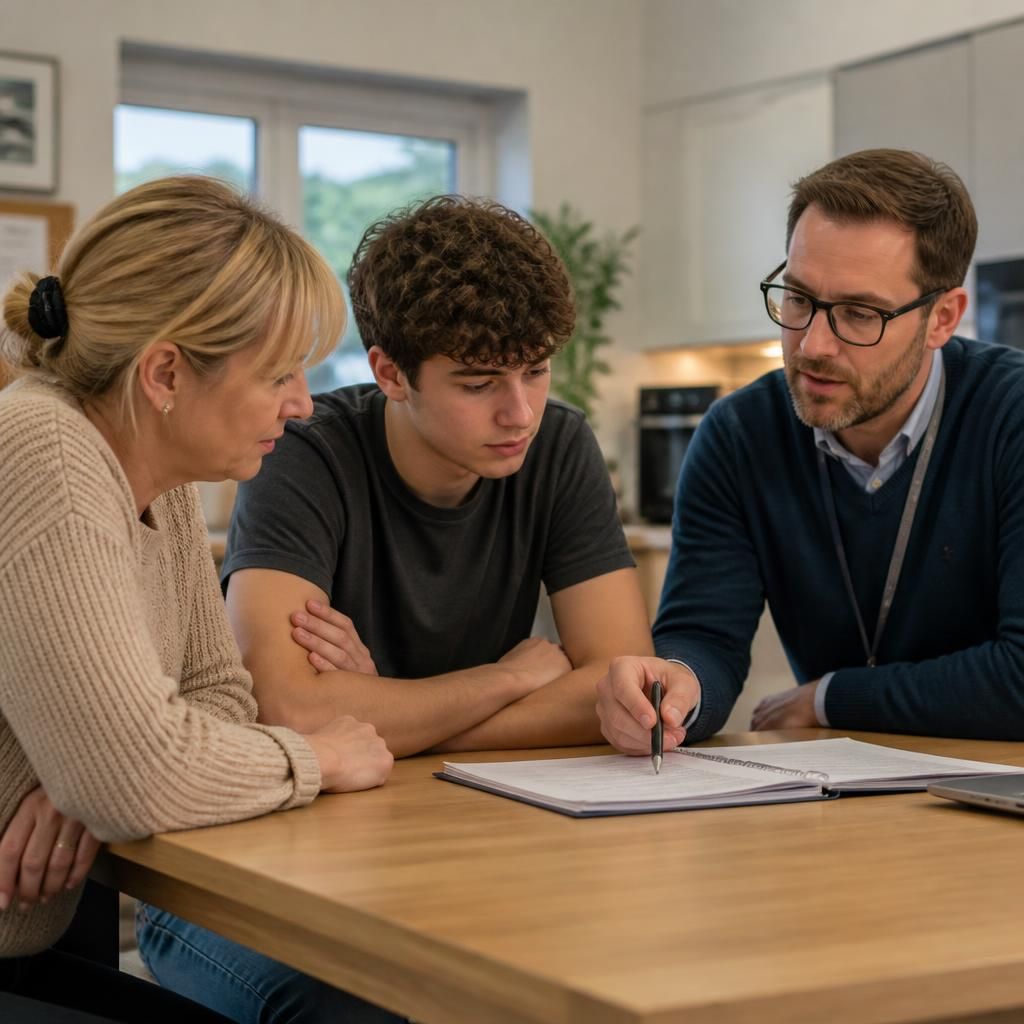
A supported lodgings host is not expected to provide specialist therapeutic, medical or crisis care. If a young person’s changing needs require this level of help, the relevant professionals must take responsibility for arranging it rather than placing that responsibility on the host.
The host’s role remains focused on providing a safe home, practical guidance and appropriate boundaries. Clear role definitions help prevent confusion, protect the household and ensure the young person receives support from services with the right expertise.
Talk to our team about changing needs in supported lodgings
If you are considering supported lodgings or have questions about managing changing needs, talk to our team for guidance on the support arrangements and next steps.