
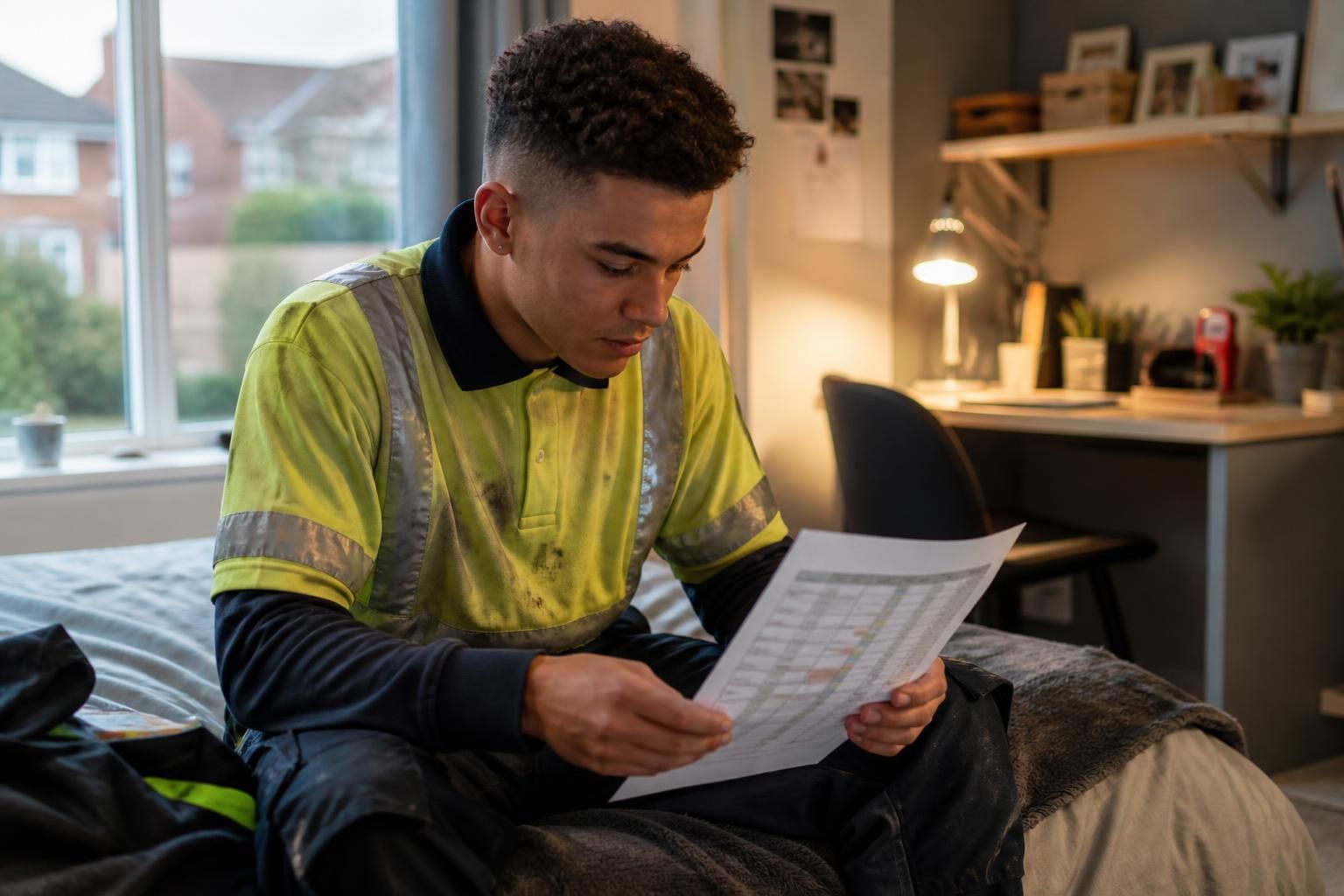
Can a young person work while living in staying put foster care?
Yes. A young person can usually work while living in staying put foster care, provided their employment is discussed and recorded in the staying put agreement, including how it fits alongside education, household expectations and any financial arrangements.
Partnering with an
Ofsted Outstanding Provider
Yes. A young person can usually work while living in staying put foster care. Employment does not normally prevent the arrangement from continuing, but it should be discussed with the foster carer, personal adviser and other relevant professionals so that the practical and financial effects are understood.
The work may be full-time, part-time, temporary or carried out through an apprenticeship, depending on the young person’s circumstances. They do not have to be in employment to remain in staying put, and working should not be treated as a condition of receiving support. The arrangement should reflect the young person’s education, training, health, independence and longer-term plans.
Employment should be included in the staying put agreement where it affects daily life. The agreement may cover:
- the young person’s usual working pattern and expected return times;
- how late shifts, early starts, weekends or changing rotas will be managed;
- arrangements for meals, keys, transport and access to the home;
- how much notice should be given when shifts or working hours change;
- expectations around rest, noise, visitors and shared household responsibilities; and
- who should be contacted if work creates a difficulty or the arrangement needs reviewing.
A job can support independence, confidence and practical skills, but it should not result in the young person being treated as an adult lodger without appropriate support. Foster carers should continue to provide a safe and suitable home, while the young person should take increasing responsibility for communicating their plans and contributing to ordinary household life in line with the agreement.
Some jobs may need additional planning. Night work, employment involving travel, work at different locations, or roles with significant physical or emotional demands may affect sleep, transport, safety or contact with support services. The young person and professionals should consider these issues without unnecessarily restricting employment. Any concerns should focus on identifiable risks and workable arrangements rather than on the fact that the young person is working.
The young person’s wages and any changes in their circumstances may also need to be considered when reviewing household financial arrangements. This does not mean that a foster carer can automatically take the young person’s earnings or impose an informal charge. Any contribution, rent-like arrangement or other payment should be clear, reasonable, agreed in advance and recorded appropriately. The young person should obtain advice about how earnings affect their own financial position before making decisions based on income.
Employment can also affect education, training and appointments. A young person should not be expected to abandon education or essential support simply because they have found work. Their personal adviser and foster carer can help them balance working hours with study, health appointments, employment training and preparation for greater independence.
The arrangement should be reviewed if the young person starts or leaves a job, changes hours, begins working nights, experiences difficulties at work or finds that employment is affecting their wellbeing. A review can clarify responsibilities, update practical arrangements and identify further support. It should also give the young person an opportunity to raise concerns about pressure at work, discrimination, unsafe conditions or difficulties travelling to and from employment.
In practice, the most useful approach is to treat employment as part of the young person’s developing independence, while keeping the staying put agreement clear and flexible. Working is generally compatible with staying put when the arrangement remains safe, manageable and supportive of the young person’s wider needs.

Living in staying put foster care does not change the young person’s relationship with their employer. They remain responsible for their employment arrangements, including agreeing hours, following workplace policies and raising employment concerns with their manager or the appropriate workplace contact. The foster carer is not the young person’s employer simply because they provide accommodation and support.
The young person should keep important employment information safely, such as their contract, payslips, rota and details of workplace contacts. A personal adviser or other trusted professional can help them understand unfamiliar terms, check whether deductions appear correct and identify where to seek advice about workplace rights. Their care background is private information, and they can decide what to share with an employer unless disclosure is needed for a specific safeguarding or practical reason.
Explore support for working young people in staying put care
For tailored guidance on supporting a young person who is working while in staying put foster care, speak to our fostering team about the next steps and the support available.