

What responsibilities does a young person have in staying put foster care?
In staying put foster care, a young person is expected to follow the agreed household rules, respect the foster carer and other household members, and take part in discussions about their support and move towards independence. They should also communicate openly about any difficulties, look after the accommodation, and contribute to everyday living arrangements as set out in the staying put agreement.
Partnering with an
Ofsted Outstanding Provider
A young person in staying put foster care is expected to take an active, responsible role in the arrangement. Their responsibilities should be set out clearly in the staying put agreement and may include engaging with support planning, managing personal commitments, contributing to agreed costs, and taking reasonable steps towards living independently.
Staying put is intended to support the transition to adulthood rather than continue a foster placement in exactly the same form. The young person should therefore discuss their goals with the foster carer, personal adviser and other relevant professionals. This may involve reviewing their pathway plan, identifying skills they need to develop, and agreeing practical steps towards education, employment, training or other plans for the future.
- Attend agreed meetings and appointments: The young person should make a reasonable effort to attend reviews, support sessions and appointments connected with their pathway plan or wellbeing. If they cannot attend, they should give notice where possible and help rearrange the appointment.
- Keep others informed about important changes: Changes in education, employment, income, health, contact details or personal circumstances can affect the arrangement. Sharing relevant information helps the adults involved provide appropriate support and review whether the agreement still meets the young person’s needs.
- Manage personal commitments: As an adult, the young person will usually be expected to take increasing responsibility for organising appointments, correspondence, applications and daily routines. The level of help should reflect their abilities and any additional needs, rather than assuming they can manage everything immediately.
- Make agreed financial contributions: Some arrangements include a contribution towards rent, household costs or other expenses. This should be discussed openly and recorded in the agreement, including what happens if the young person’s income or circumstances change. A contribution should not be introduced without considering affordability and the purpose of the arrangement.
- Follow agreed arrangements for visitors and overnight stays: The agreement should explain expectations about guests, including advance notice, overnight visitors and any restrictions needed to protect the privacy, safety and wellbeing of people in the household. The young person should raise disagreements rather than ignoring the agreed process.
- Use the home and its facilities safely: This includes following safety procedures, reporting damage or hazards promptly, and taking reasonable care when using appliances, keys and shared facilities. Any concerns about the condition or safety of the accommodation should be raised with the foster carer or supervising professional.
- Take part in problem-solving: If the arrangement becomes difficult, the young person should explain what is not working and take part in reviewing possible solutions. This might involve changing practical arrangements, arranging additional support or requesting a formal review of the staying put agreement.
These responsibilities do not remove the young person’s right to support, privacy, safeguarding and involvement in decisions. A young person may need adjustments because of disability, mental health needs, communication difficulties or other circumstances. Expectations should be realistic, clearly explained and reviewed when their needs or situation changes.
The young person should also know who to contact if they feel unsafe, are worried about exploitation or abuse, or believe the arrangement is breaking down. Problems should be raised as early as possible with the foster carer, personal adviser, social worker or another trusted professional. Where a disagreement cannot be resolved informally, the staying put agreement and pathway plan should be reviewed so that everyone understands the next steps.
Ultimately, the young person’s role is to participate in the arrangement as an adult, while the foster carer and responsible professionals continue to provide appropriate support. The exact responsibilities will depend on the individual’s needs, the household circumstances and what has been agreed in writing.
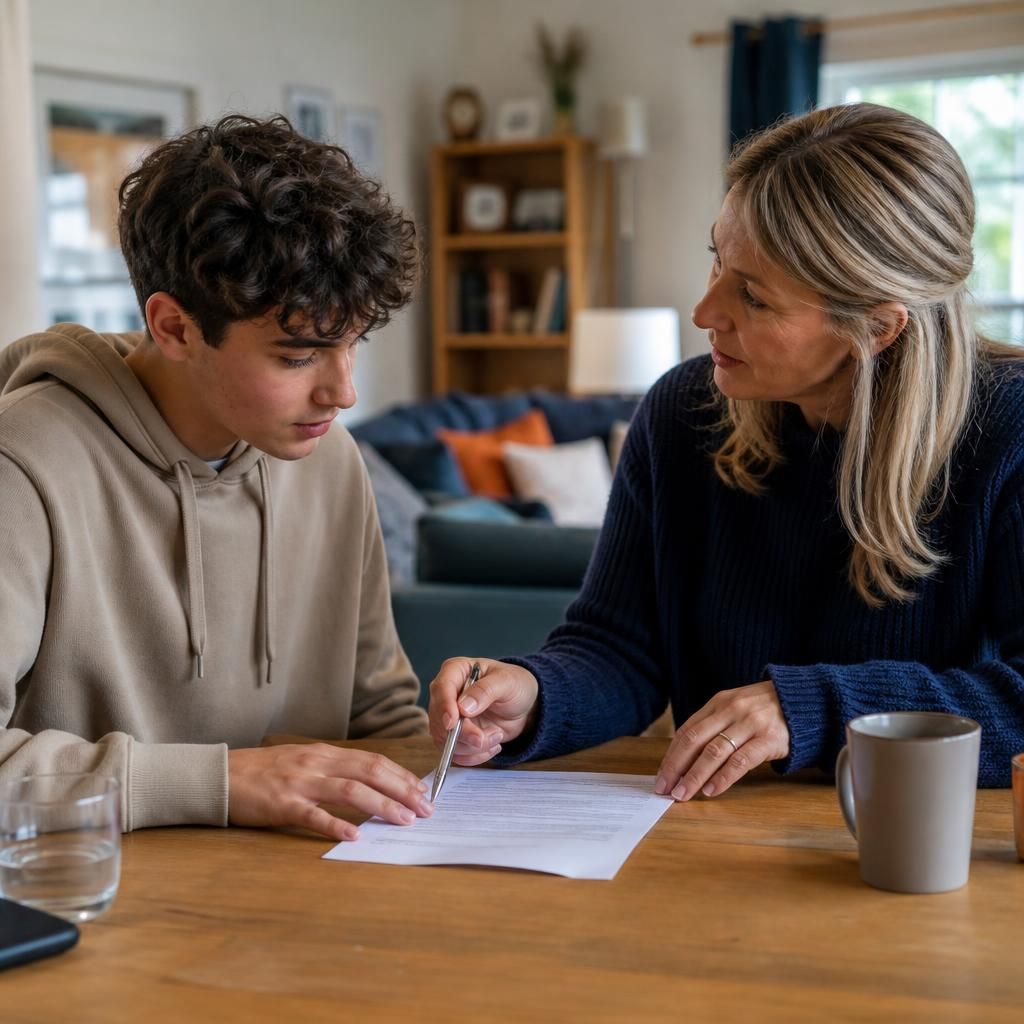
A young person should read the staying put agreement carefully and make sure they understand what has been agreed before signing it. This includes checking the arrangements for household expectations, financial contributions, support, privacy and ending or changing the arrangement. They should ask questions if any wording is unclear and keep a copy for reference.
The agreement should reflect a shared understanding rather than place responsibility solely on the young person. If a term no longer fits their circumstances, they should ask for it to be discussed and amended through the agreed review process. Keeping the document up to date helps everyone understand their role and reduces the risk of misunderstandings.
Talk to us about staying put responsibilities
Talk to us about staying put responsibilities if you need help understanding how a proposed arrangement can reflect a young person’s circumstances. We can help you identify the questions to raise with the relevant professionals before the arrangement is agreed.