

What should a staying put agreement cover?
A staying put agreement should set out the practical arrangements for the young person remaining in the former foster home, including accommodation, household expectations, privacy, finances, education or work, and each person’s rights and responsibilities. It should also explain how the arrangement will be reviewed, what happens if circumstances change, and how it can end.
Partnering with an
Ofsted Outstanding Provider
A staying put agreement should be a clear, personalised written record of how the arrangement will operate after the young person turns 18. It should be agreed with the young person, the former foster carer and the local authority, and should align with the young person’s pathway plan. It must reflect the household’s circumstances rather than rely on a standard form.
The agreement should first confirm who is involved and what the arrangement means. Staying put is not an extension of foster care: the young person is a care leaver living in their former foster home, while the former foster carer is no longer acting as a foster carer for that placement. The document should therefore identify the parties, record the intended start date and explain the support each organisation or individual will provide.
- Legal and planning information: record the young person’s care-leaver status, relevant pathway-plan goals and any continuing involvement from the local authority or personal adviser.
- Use of the home: specify which bedroom and shared areas are available, whether the young person can use household facilities, and how arrangements will work if the household changes or another person moves in.
- Household routines: set out expectations about guests, noise, smoking, alcohol, pets, cleaning, food and security. These should be reasonable, explained clearly and agreed rather than imposed without discussion.
- Costs and financial arrangements: explain any contributions towards rent, board, utilities, food or other costs, who pays them and how changes will be considered. The agreement should distinguish between money paid by the young person and financial support arranged through the local authority or another service.
- Education, training and employment: note any practical support needed to attend college, training or work, including transport, study space and help with applications or budgeting where this forms part of the pathway plan.
- Health and additional needs: record agreed support relating to physical health, mental health, medication, disability or appointments, while respecting confidentiality and the young person’s right to make decisions about their own information.
- Safety and safeguarding: explain how concerns will be raised, who should be contacted in an emergency and what will happen if someone in the household feels unsafe. Any safeguarding procedure should be understandable to the young person and should not depend on them knowing professional terminology.
It is also important to describe how decisions will be made. The agreement can state which matters the young person manages independently, which household decisions require discussion and when the personal adviser or social care team should be involved. This helps the arrangement recognise the young person’s increasing independence without removing appropriate support.
A useful agreement includes a review process, not just a review date. It should say who arranges reviews, who attends, how the young person’s views are recorded and how changes are approved. Reviews may be needed when there is a change in education or work, income, health, household membership or the level of support required. The document should be updated when an agreed arrangement changes, with a copy provided to everyone who needs it.
The ending section should be especially specific. It should explain how either side raises concerns, whether a notice period applies, how disputes will be discussed and what alternative accommodation or support will be considered if the arrangement cannot continue. It should also cover urgent situations, such as serious conflict or an immediate safety concern, when the usual process may not be suitable.
Before signing, the young person should have the opportunity to ask questions, obtain independent advice and request adjustments that make the agreement accessible. The wording should be plain, and the final version should be shared with the young person, former foster carer, local authority and any other agreed professional. A written agreement cannot prevent every difficulty, but it can reduce misunderstandings by making expectations, support and next steps clear from the outset.
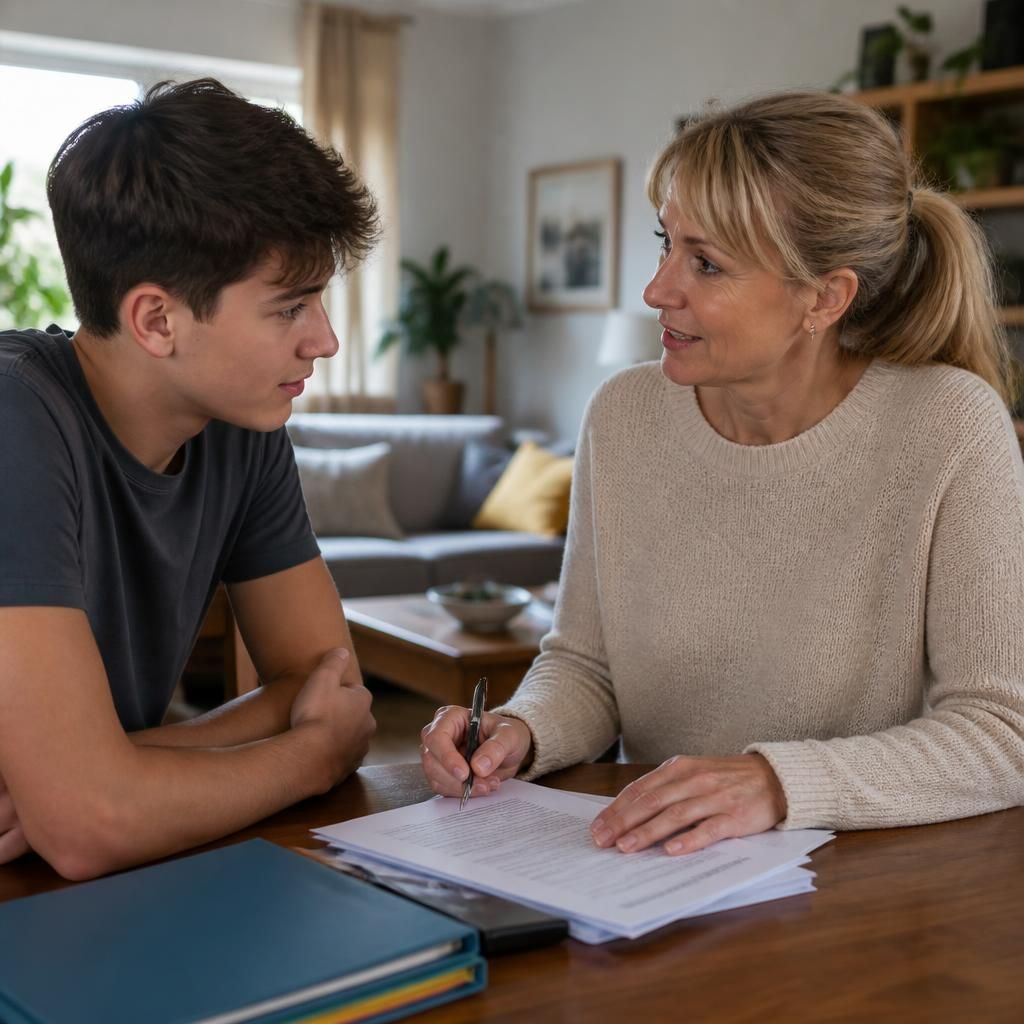
A staying put agreement should also make clear what type of housing arrangement is being created. Staying put is separate from foster care, but it is not automatically the same as an ordinary private tenancy. The agreement should describe the young person’s right to occupy the home, the household’s expectations and any housing advice the local authority has provided.
This distinction matters if questions arise about privacy, visitors, contributions or the arrangement ending. Avoid relying on informal promises or assuming that standard tenancy wording will fit. If either person is unsure about their housing rights or responsibilities, the agreement should record who will provide further advice and when that advice will be reviewed.
Get guidance on staying put agreements
If you need help understanding or preparing a staying put agreement, speak to our fostering team for clear, practical guidance tailored to your circumstances.