
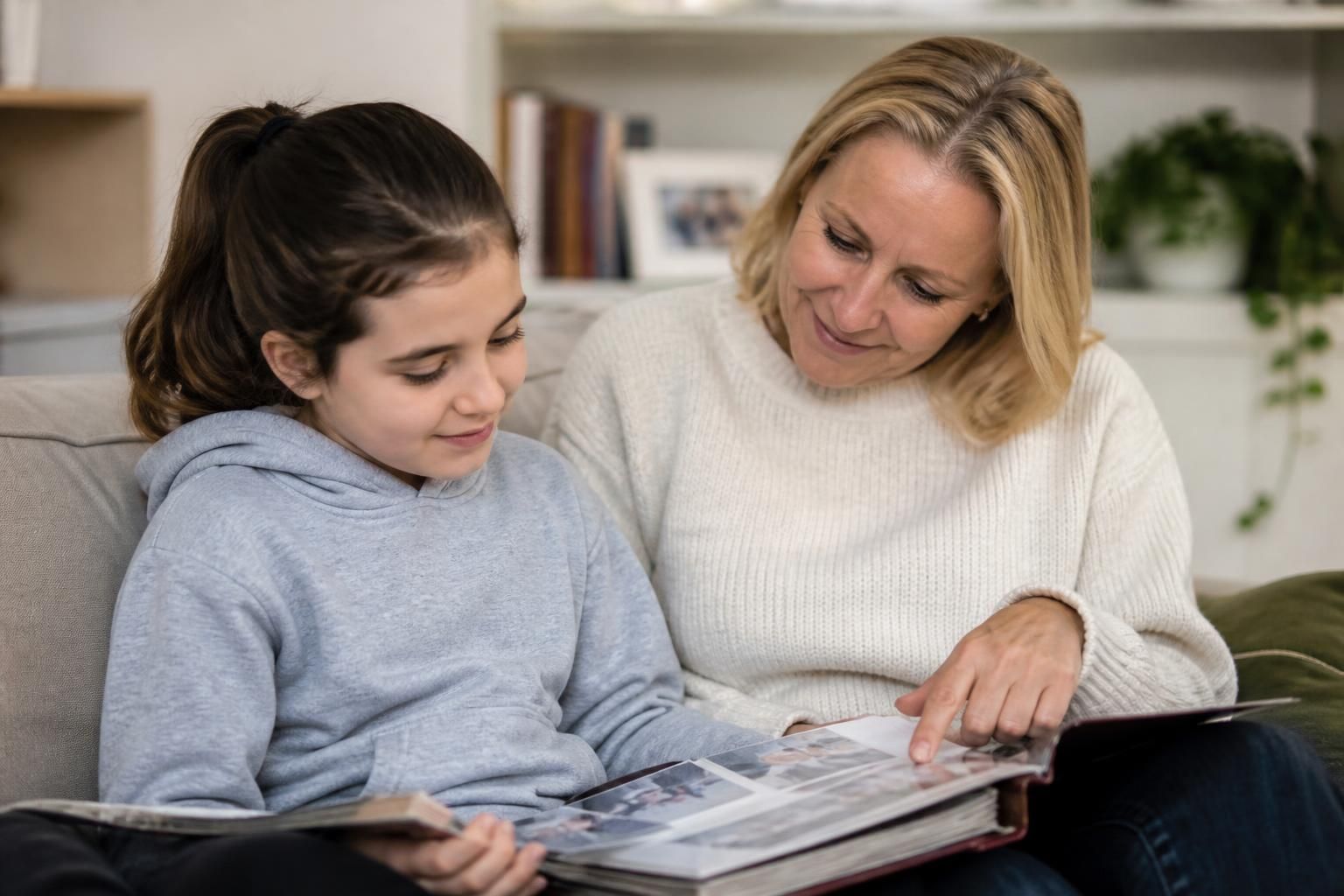
How are birth family relationships supported in therapeutic foster care?
Therapeutic foster care supports birth family relationships through child-centred contact planning, clear boundaries and guidance from the fostering and professional network. Contact arrangements are tailored to the child’s needs and reviewed regularly, with carers helping children manage feelings before and after contact while safeguarding remains central.
Partnering with an
Ofsted Outstanding Provider
Birth family relationships in therapeutic foster care are supported through a planned, relationship-based approach that recognises the importance of family connections while responding to the child’s trauma, development and emotional needs. The aim is not to preserve contact at any cost or to remove family involvement automatically, but to help the child maintain relationships that are safe, meaningful and appropriate to their circumstances.
“Birth family” may include parents, siblings, grandparents and other relatives who are important to the child. The child’s care plan sets out who they should have contact with, the form that contact should take and any conditions that apply. These arrangements may be influenced by the child’s wishes and feelings, assessments of risk, court directions, the views of the local authority and information from the wider professional network. Therapeutic foster care does not follow one standard contact pattern: each arrangement is based on the individual child.
The child’s voice is an important part of decisions about family relationships. Social workers and foster carers consider the child’s age, understanding, communication needs, emotional presentation and sense of identity. A child may want contact while also feeling anxious, angry or conflicted about it. They may express different views at different times. Adults should listen carefully without asking the child to choose between their foster family and birth family, and should avoid making promises about arrangements that they cannot control.
Contact can take different forms, depending on the plan. It may involve:
- face-to-face meetings with a parent or relative;
- time with brothers and sisters who live elsewhere;
- telephone or video contact;
- letters, cards, photographs or other agreed indirect contact; or
- family time supported by a trained contact worker or another approved adult.
Some meetings take place in a contact centre or another agreed venue. In other circumstances, contact may happen in the foster home or in the community if this has been assessed as suitable. The setting, adult supervision and information shared during contact should reflect the child’s welfare and the terms of the care plan. Foster carers are not expected to make private arrangements with relatives that conflict with the agreed plan.
Therapeutic foster carers help make family relationships more manageable by sharing relevant observations with the social worker and therapeutic team. This can include changes in the child’s sleep, behaviour, mood, communication or physical presentation after contact, as well as signs that a particular arrangement is helping or causing difficulty. Records should be factual and respectful. They should describe what was observed rather than label a child or make assumptions about a family member’s intentions.
Carers also have an important role in protecting the child’s identity. This may involve helping the child keep appropriate photographs, cultural traditions, family stories, personal belongings or information about their background. It is important to speak about birth family members in a way that is honest and respectful, while not exposing the child to adult disputes or information that is not suitable for their age. Foster carers should ask the supervising social worker for advice when family history is complex or when the child asks questions that require specialist support.
Therapeutic support may be used when family contact brings up grief, divided loyalties, rejection, anger or confusion. The child may be helped to understand that several feelings can exist at the same time. Adults can use simple explanations, therapeutic activities and consistent routines to help the child make sense of what has happened, without turning contact into a formal test of behaviour or attachment. The purpose is to support the child’s emotional development, not to pressure them to appear positive about every interaction.
Birth parents and relatives should receive clear information about their role, the arrangements that have been agreed and the people to contact if concerns arise. Foster carers should maintain appropriate professional communication and avoid discussing disputed decisions directly with family members in a way that could place the child in the middle. Concerns about missed contact, inappropriate conversations, unexpected gifts, requests for secrecy or attempts to obtain unapproved information should be passed to the supervising social worker or social worker.
Personal information must be handled carefully. A child’s address, school details, medical information, foster carer’s private contact details and information about other children in the household should not be shared unless this is authorised and appropriate. Digital contact needs the same care as face-to-face contact, including agreed devices, accounts, supervision and rules about recording or sharing images.
Family relationships are reviewed as the child’s circumstances change. A review may be needed if the child’s behaviour or emotional health changes, a family member’s situation alters, a sibling relationship develops, contact repeatedly does not take place or new safeguarding information emerges. Changes should be considered by the relevant professionals and, where applicable, through the legal process. Foster carers can contribute evidence and observations, but they do not decide unilaterally whether contact should start, stop or change.
Effective support therefore depends on cooperation between the child, foster carers, birth family, social worker, supervising agency and therapeutic professionals. When everyone understands their responsibilities and communicates through the agreed process, the child has a better opportunity to develop a secure sense of identity while receiving care that is responsive to their emotional and developmental needs.
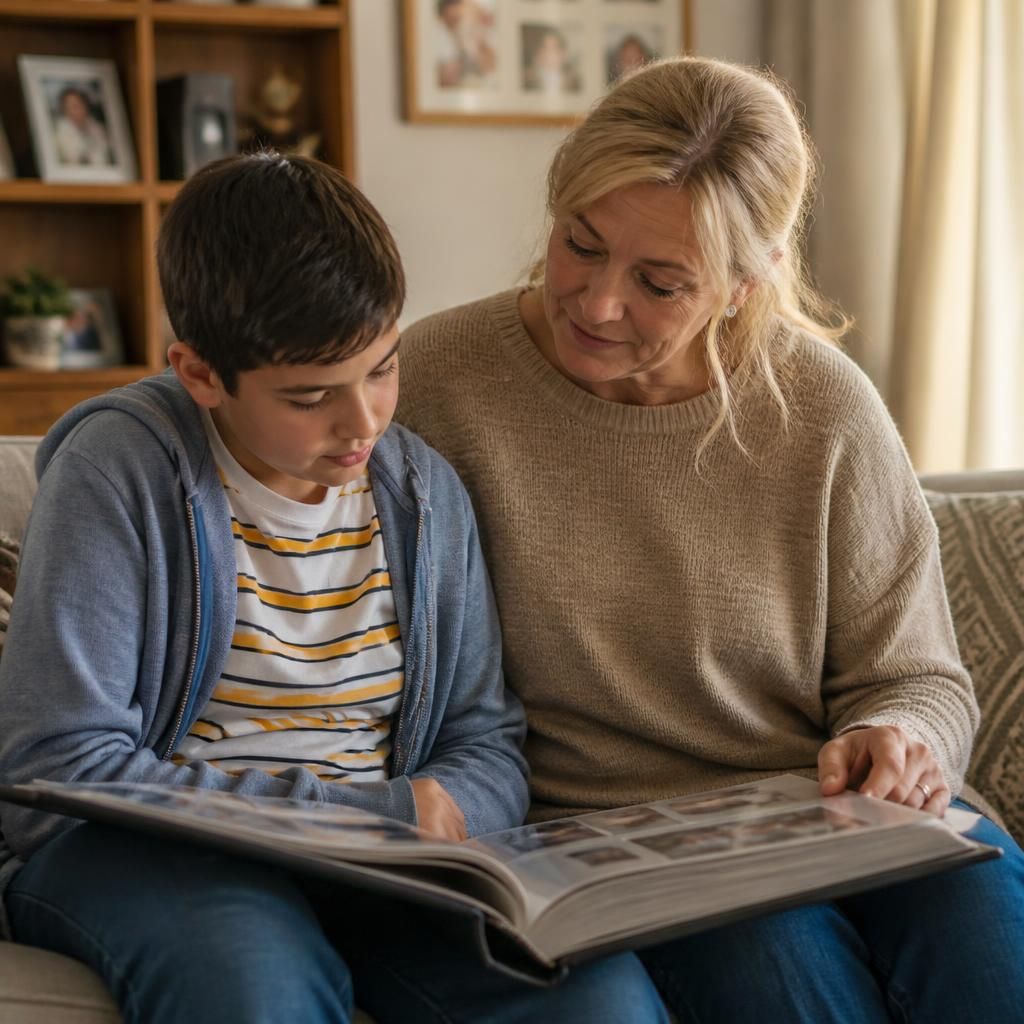
Birth family relationships can also be supported by involving relatives in understanding the child’s history, identity and emotional needs. Where it is safe and appropriate, parents and other important relatives may provide information about family routines, cultural traditions, significant events, health history and the child’s interests. This helps foster carers respond to the child consistently and avoid treating their behaviour without understanding its context.
Therapeutic and social care professionals decide what information can be shared and how relatives can contribute. A birth family member might be invited to provide background information, take part in a meeting or contribute to planning, subject to the child’s care plan, consent and safeguarding requirements. Information is not shared simply because it is available; professionals consider confidentiality, relevance and the child’s welfare.
This approach can help relatives remain part of the child’s story even when direct contact is limited. It also gives the child a more coherent understanding of their family background, while ensuring that adult disagreements and sensitive information are managed by the professional network rather than placed on the child or foster carer.
Find out more about birth family relationships in therapeutic foster care
If you are considering therapeutic fostering and want to understand whether it could be right for your household, speak to our fostering team about the assessment process, training and support available.