
What medical equipment can foster carers safely manage at home?
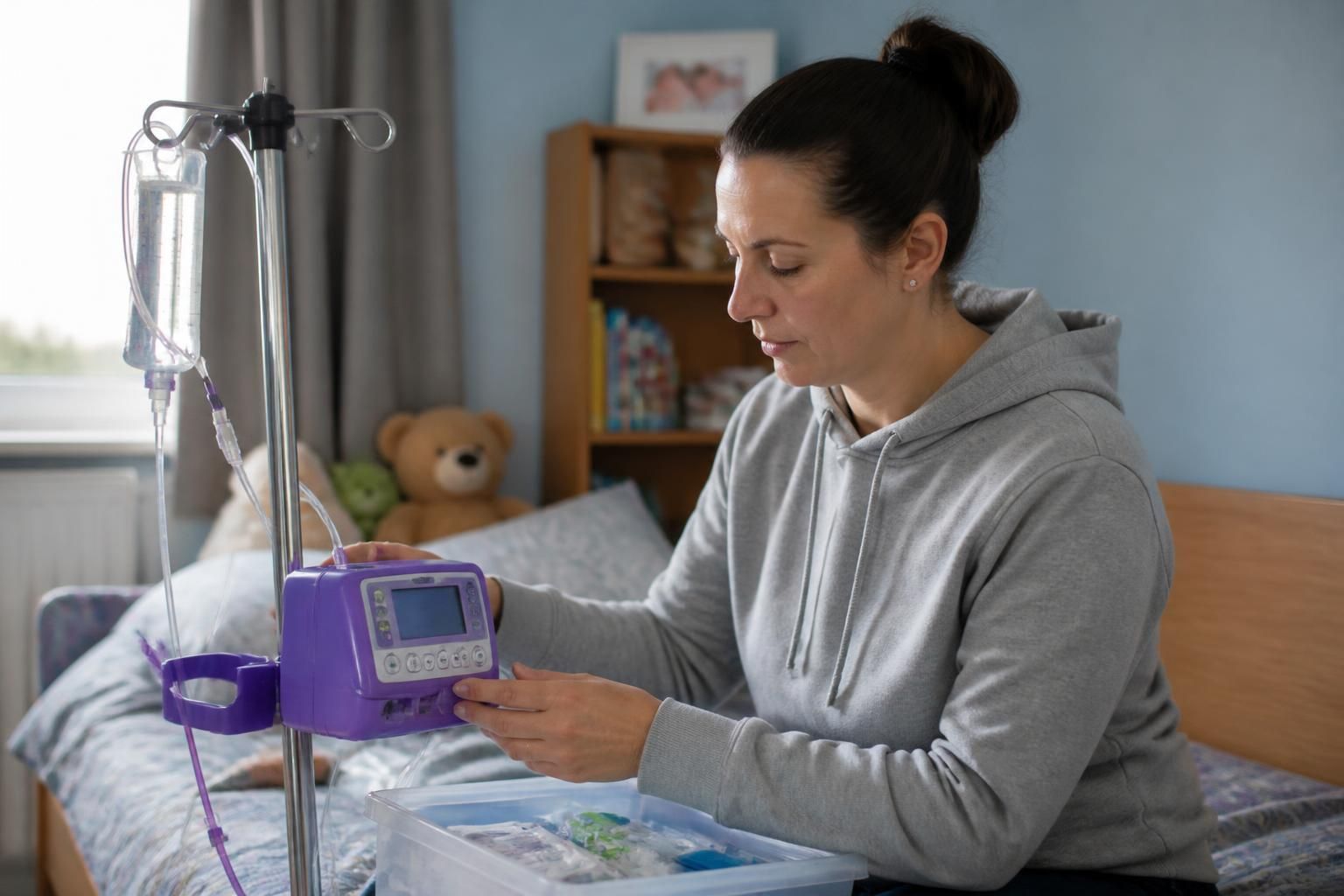
Foster carers may safely manage routine medical equipment such as feeding pumps, oxygen equipment, suction devices, monitoring equipment and mobility aids when the child’s healthcare team has assessed the arrangement and provided appropriate training. The equipment must be used exactly as instructed, with clear guidance on daily care, checking for problems and seeking professional help if the child’s needs or condition changes.
Partnering with an
Ofsted Outstanding Provider
Medical equipment is suitable for use in a foster home only when the child’s individual care plan identifies the task, the carer has been assessed as competent, and the responsible healthcare professionals have agreed how it will be managed. There is no universal list of equipment that every foster carer can use safely: suitability depends on the child’s condition, the device, the level of supervision required and the support available.
In practice, equipment is more likely to be appropriate where it is used for a clearly defined, routine task and does not require the foster carer to make clinical decisions. A carer may be trained to carry out an agreed procedure, observe the child and report concerns, but would not normally be expected to diagnose a problem, change prescribed settings or decide independently that treatment is no longer needed.
More complex arrangements may involve equipment that:
- requires regular clinical assessment or adjustment;
- could cause harm if used incorrectly;
- needs more than one person to operate safely;
- must be connected to a power supply for long periods;
- needs specialist cleaning, replacement parts or technical checks; or
- is used alongside procedures that the carer has not been trained to undertake.
These situations do not automatically prevent fostering, but they require a more detailed assessment. The child’s social worker, healthcare team and fostering service should agree who is responsible for each part of the care, what supervision is needed and what arrangements apply if the usual carer is unavailable.
Before a child moves in, the foster carer should receive practical instruction using the actual equipment, where possible. Training should cover its purpose, normal operation, cleaning, charging or power requirements, safe storage, routine checks and the signs that something may be wrong. It should also explain what to do if the device alarms, stops working, becomes damaged or does not appear to be helping the child as expected.
Understanding should be checked rather than assumed. This may involve demonstrating the procedure, explaining the steps aloud and showing how to respond to a realistic problem. A written record should identify the training completed, who provided it and whether further supervision or refresher training is required. Foster carers should not be asked to use unfamiliar equipment until the agreed instruction and competency checks have taken place.
The home itself should be reviewed for practical risks. Depending on the equipment, this may include:
- keeping cables, tubing and accessories away from trip hazards and sources of heat;
- ensuring the child cannot access medication, sharp components or unsuitable controls;
- maintaining clear routes for moving and evacuating the child;
- storing clean and used items separately;
- checking that charging points and electrical supplies are suitable; and
- making sure essential items can be located quickly by approved carers.
Infection prevention is also important. The care plan should state which parts are single-use, which can be cleaned, what cleaning method is permitted and how often supplies should be replaced. Foster carers should follow the instructions provided by the healthcare team rather than using household cleaning products or improvising when a component is missing.
Equipment should be used only for the child and purpose for which it has been provided. Foster carers should not alter settings, substitute accessories, attempt repairs or borrow equipment for another person unless a qualified professional has specifically authorised this. Faults should be reported through the agreed route, with the device taken out of use where instructed and an alternative care plan followed.
Good records help the child’s carers and professionals identify changes early. Depending on the care plan, records may include the time a procedure was completed, readings or observations, problems with the equipment, supplies used and advice received. The record should be factual and secure. It should not replace contacting the relevant healthcare professional when the child’s condition changes or a concern cannot be resolved.
Every placement should have clear escalation instructions. These should state who to contact for routine questions, equipment faults, replacement supplies and changes in the child’s health, as well as when urgent medical help is needed. Foster carers should follow emergency guidance provided for that particular child; generic instructions are not a substitute for an individual plan.
As the child develops, the arrangement may need to change. A device may be used less often, a new procedure may be introduced, or the child may become able to take part in their own care. Each change should prompt a review of the risk assessment, training, supervision and written instructions. Equipment that was suitable at the start of a placement should not automatically continue without review.
The fostering assessment considers the household’s circumstances, practical capacity and willingness to learn, rather than expecting carers to arrive with clinical qualifications. The key safeguards are an agreed plan, professional involvement, appropriate instruction, documented competence and a reliable way to seek further help. This allows decisions about medical equipment to be made around the individual child’s needs instead of applying a blanket rule.
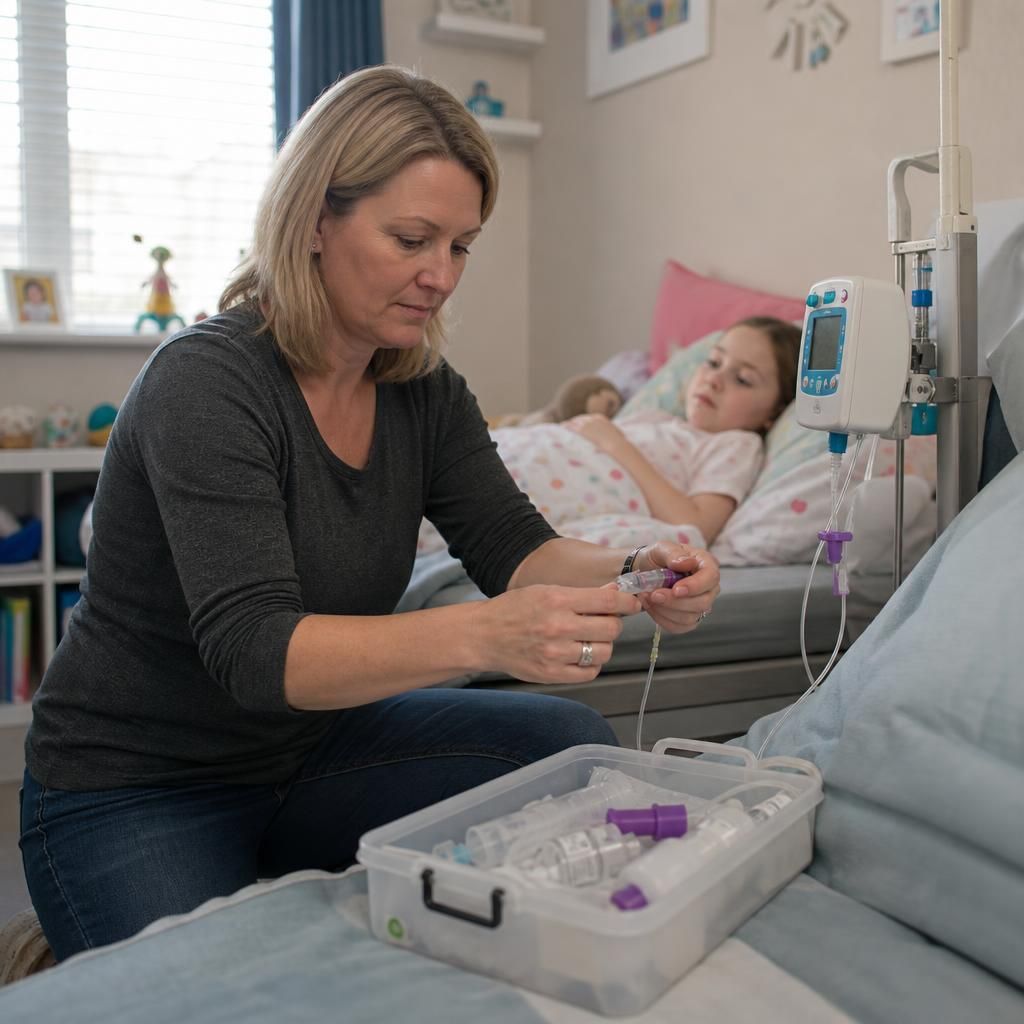
Safe use of medical equipment at home also means protecting the child’s dignity, privacy and ordinary routines. Equipment should be positioned so it is accessible to approved carers without making the child feel constantly observed or different, and care should be carried out discreetly wherever possible.
Children should be given clear, age-appropriate explanations about equipment and involved in their care when this is suitable. A child may be able to choose where supplies are kept, help with simple non-clinical steps or express how they would prefer a procedure to be carried out. Their views should be included in care planning alongside the practical safety requirements.
Good preparation can help medical routines fit around meals, sleep, education and family activities. The care plan should identify how equipment will be managed during transport, visits or changes to the usual routine, while ensuring that essential supplies and instructions remain available to the approved carers responsible for the child.
Talk to us about managing medical equipment in foster care
Talk to us about your circumstances and the level of medical care you feel able to provide. We can explain how medical foster care assessments, training and support help determine whether a placement is suitable for your household.