
What training does medical foster care involve?
Medical foster care training combines standard fostering preparation with specialist learning tailored to the child’s health needs. It may cover safe medication, medical equipment, recognising changes in health, responding to emergencies, record-keeping and working with healthcare professionals, with further guidance provided as the placement develops.
Partnering with an
Ofsted Outstanding Provider
Medical foster care training is a staged programme that combines core fostering preparation with placement-specific instruction. You learn the principles of caring for a child in foster care first, then receive additional teaching and practical guidance based on that child’s condition, care plan, abilities and level of dependence.
Training before approval
Before approval, prospective carers usually complete an introductory fostering course, such as Skills to Foster, alongside the fostering assessment. This covers the role of a foster carer, safeguarding, child development, trauma and attachment, communicating with children, working with birth families, confidentiality and maintaining appropriate boundaries.
For medical foster care, the assessment also considers whether you can follow detailed instructions, attend appointments, keep accurate information and work consistently with several professionals. You do not normally need to have a medical qualification. The important requirement is a willingness to learn, ask questions and follow agreed procedures safely.
Learning about the individual child
General training cannot prepare you for every medical condition. Once a potential placement is being considered, the supervising social worker and relevant health professionals should identify the training needed for that particular child. This may include teaching about the child’s diagnosis, symptoms, routines, communication methods, mobility, nutrition, sleep or personal care.
Training should relate to the child’s care plan and day-to-day life rather than focusing only on medical terminology. You should understand what is usual for the child, what may indicate a deterioration, who must be contacted and what action is expected. It is also reasonable to ask for an explanation of unfamiliar terms and for written instructions that can be referred to later.
Practical and competency-based learning
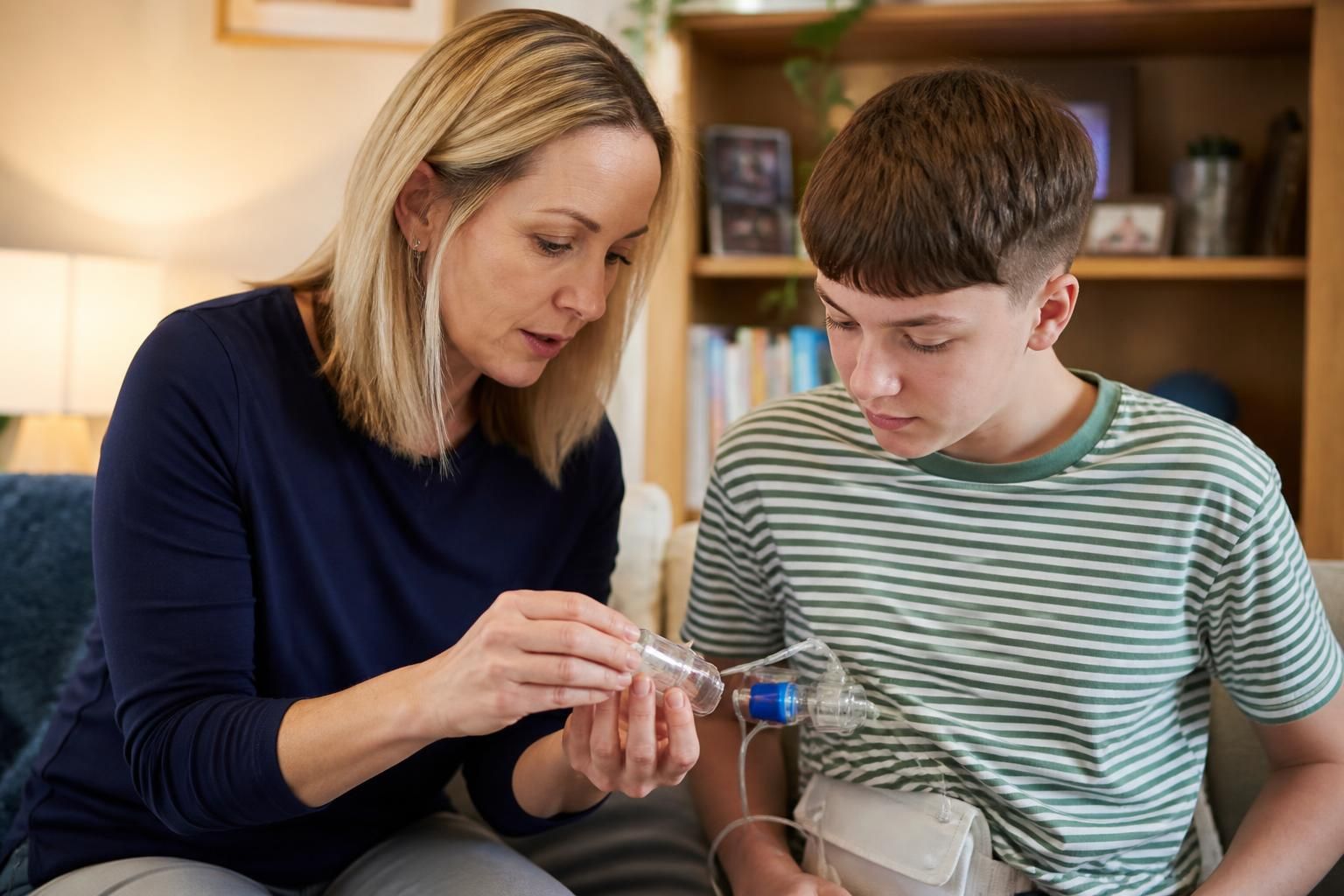
Some subjects are taught through discussion or written guidance, while others require demonstration and practice. A healthcare professional may show you a procedure, observe you carrying it out and confirm that you can complete it safely. Further practice may be needed before you are considered competent.
Competence is not simply about remembering information. It includes checking the correct instructions, using equipment as taught, recognising when something is outside the agreed routine and seeking advice rather than improvising. If a procedure changes, the child’s condition develops or you are unsure, your training may need to be reviewed.
Working within agreed responsibilities
Medical foster care training explains the boundaries between your responsibilities, those of the fostering service and those of health professionals. You should know which tasks are delegated to you, which decisions require professional input and how consent is managed. Instructions should be consistent with the child’s care plan, relevant policies and the arrangements agreed by the placing authority.
This is particularly important where a child has several appointments or professionals involved. Training may cover how to share information appropriately, prepare for reviews, report concerns and contribute observations about the child’s everyday health and development. Foster carers are often an important source of practical information because they see how the child manages between appointments.
Recording and reviewing your learning
You may be expected to keep records of training completed, competency checks and any updates received. Good records help everyone understand what has been taught, when it was reviewed and whether further support is needed. They also help maintain continuity if a different professional becomes involved in the child’s care.
Training is not necessarily completed once. Refresher learning may be arranged when a child’s needs change, new equipment or procedures are introduced, an incident occurs or a review identifies a gap in understanding. The supervising social worker should help coordinate this with the child’s health team and other professionals.
What to ask before accepting a placement
- What training is required before the child moves in, and what can be completed afterwards?
- Who will provide the teaching and confirm that I am competent?
- Will I have written instructions and a clear care plan?
- What should I do if the child’s presentation differs from their usual pattern?
- Who should I contact for advice about a medical concern or a change in the care routine?
- How will training be updated if the child’s needs or treatment change?
The aim is for you to understand both the practical tasks and the wider responsibilities involved in caring for a child with medical needs. A suitable training plan should leave you clear about the child’s routine, your agreed role, the limits of your responsibility and the process for obtaining further professional guidance.
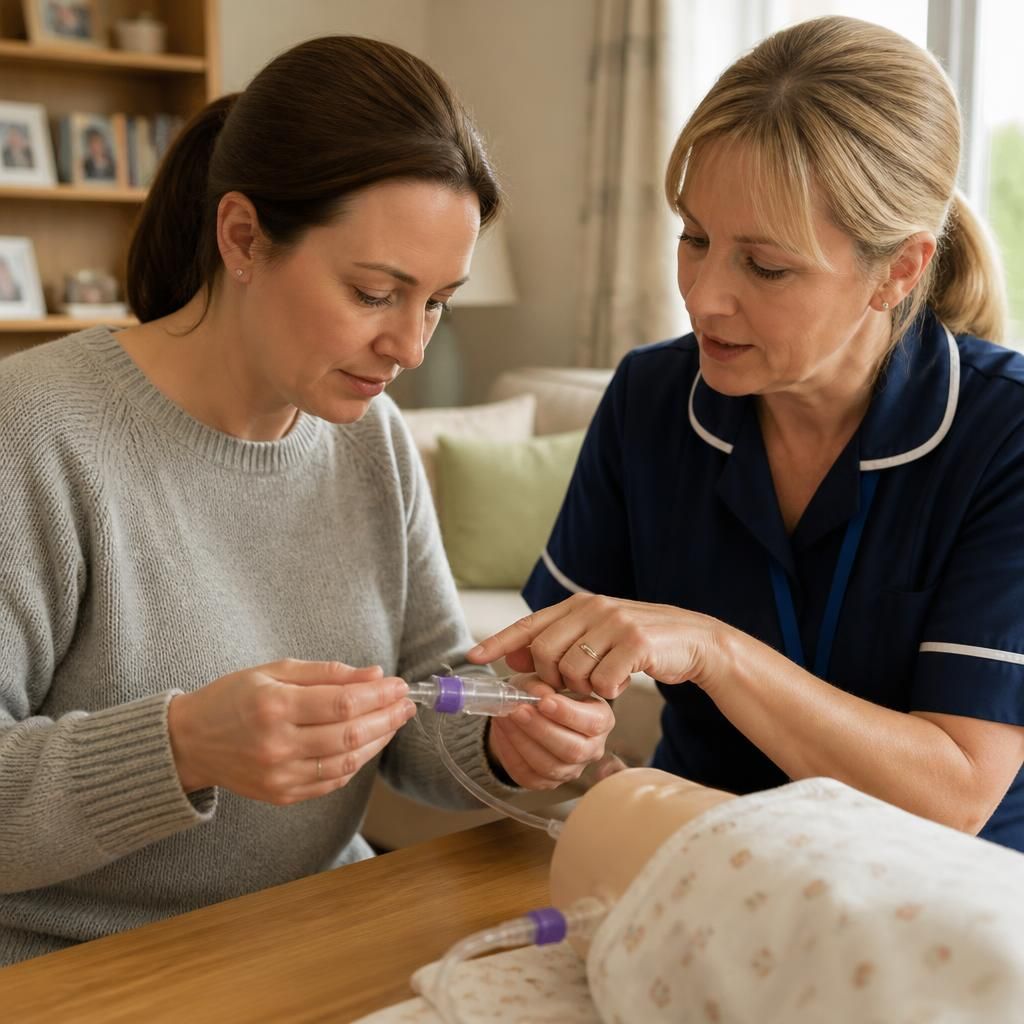
Medical foster care training also covers how to protect a child’s dignity, privacy and sense of control during health-related care. A child may need help with intimate routines, repeated appointments or procedures that they find unfamiliar, so carers learn to provide support in a respectful, age-appropriate way.
This can include explaining what is happening in language the child understands, offering reasonable choices, noticing signs of anxiety and allowing time for questions. Training may also explore how medical needs can affect confidence, friendships, play and independence. The aim is to ensure that health care forms part of the child’s everyday life without defining their whole experience of foster care.
Discuss your medical foster care training needs
If you are considering medical foster care, speak with the Become A Foster Family team about the training and guidance a potential placement may require. They can help you understand the learning involved before you decide whether to apply.