
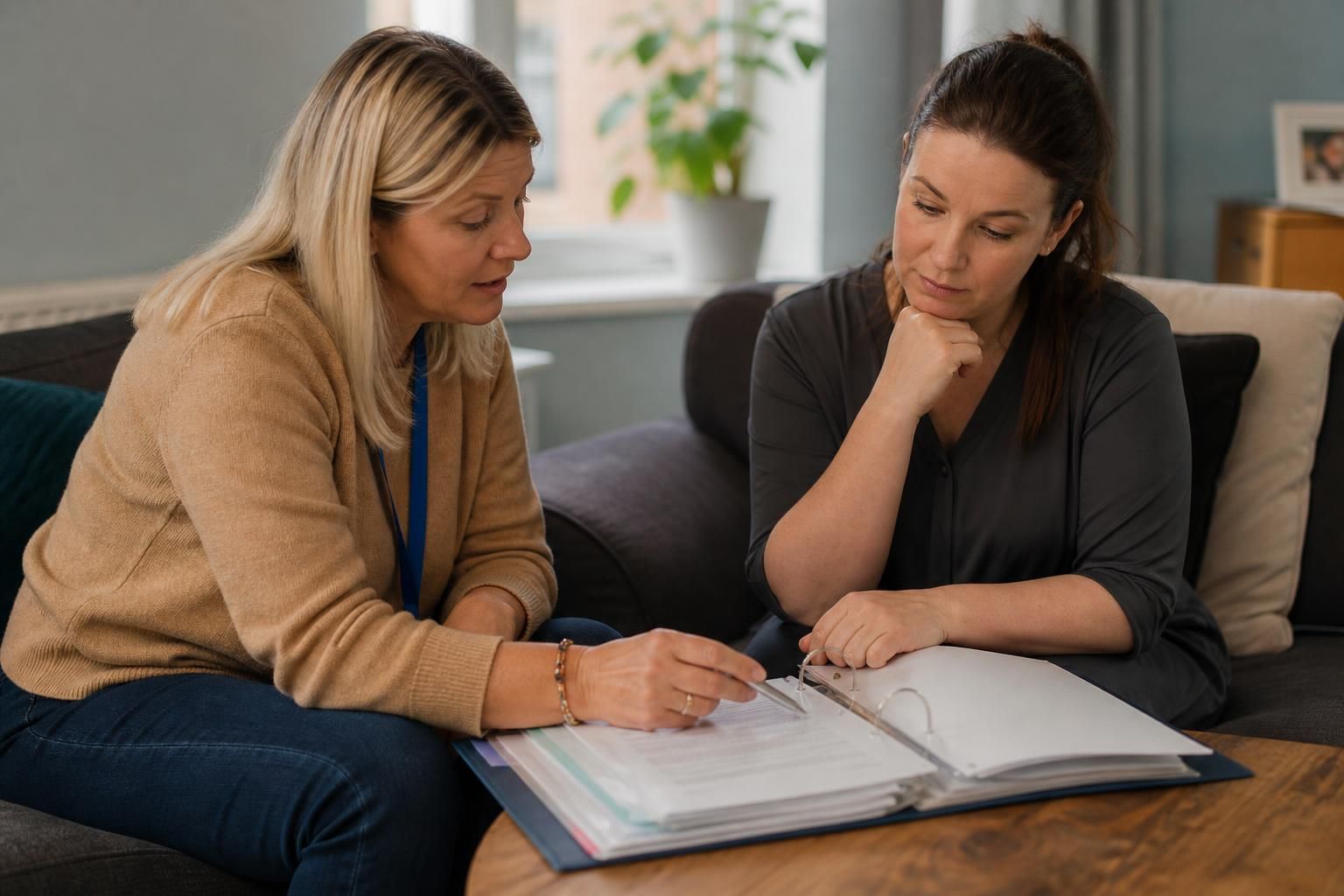
What happens when a young person’s needs change during specialist therapeutic foster care?
When a young person’s needs change during specialist therapeutic foster care, their support plan and risk assessment are reviewed with the fostering team and relevant professionals. Training, therapeutic strategies and day-to-day arrangements may be adjusted, and if the placement can no longer safely meet their needs, alternative care arrangements will be considered.
Partnering with an
Ofsted Outstanding Provider
When a young person’s needs change during specialist therapeutic foster care, the response is guided by the nature, urgency and likely duration of the change. The aim is to understand what has altered, reduce immediate distress or risk, and make sure the care being provided remains appropriate rather than expecting the young person to manage with an unchanged approach.
Changes may be identified through behaviour, mood, communication, sleep, relationships, education, physical health or contact with family members. A young person may become more withdrawn, anxious, angry or unsettled, or may begin to show progress and need more independence. A change does not automatically mean that the placement is failing. It may indicate a new developmental stage, a reminder of past experiences, a change in circumstances or a need for different therapeutic techniques.
The first step is to establish what is happening. Foster carers observe patterns and share relevant information with the professionals involved in the young person’s care. This includes considering when the change began, what situations appear to trigger it, how the young person responds to different adults or routines, and what has helped previously. Information from the child, social worker, therapist, school and health professionals may each provide a different part of the picture.
The young person’s views should remain central. Depending on their age and communication needs, they may explain what feels different, identify situations they find difficult or suggest what would help. Some children find direct conversations challenging, so their views may also be understood through play, creative activities, behaviour, observations and trusted relationships. Adults should avoid treating behaviour as the whole explanation; the behaviour may be communicating fear, confusion, grief, pain or a need for greater control.
Support is usually adapted in practical, proportionate ways. This may include:
- making routines clearer and more predictable;
- changing how adults give instructions, reassurance or choices;
- allowing additional time for transitions, appointments or contact arrangements;
- introducing different ways for the young person to regulate strong emotions;
- adjusting expectations at home, at school or during activities; and
- giving the foster carer further guidance on responding consistently.
Where a change is sudden, severe or linked to an immediate safeguarding, health or self-harm concern, it must be escalated through the agreed professional channels without delay. Foster carers should follow the procedures provided to them, seek advice from the relevant professionals and call emergency services where there is an immediate danger. They should not attempt to provide specialist medical or therapeutic intervention beyond their training.
For less urgent changes, the professionals involved will consider whether the difficulty is temporary or represents a longer-term shift in need. They may look at the young person’s developmental stage, relationships, education, health, family contact and response to existing support. This helps distinguish between a short period of dysregulation and a need for a more substantial change in the way care is organised.
Any decisions should be explained in language the young person can understand. Changes work best when children know what is happening, why it is happening and which parts of their routine will remain familiar. Foster carers can help by using consistent messages, avoiding unnecessary surprises and giving the young person safe opportunities to ask questions. They should also notice and communicate progress, not only difficulties.
The foster carer’s role may change as the young person develops. A child who previously needed close supervision may gradually be supported to make more choices, manage parts of their routine or build safe relationships outside the home. Conversely, a young person who had been becoming more independent may temporarily need increased structure following a distressing event. Therapeutic care should therefore be responsive rather than based on a fixed set of expectations.
Sometimes a change affects the wider household. Foster carers may need guidance on maintaining boundaries, explaining altered routines to other children without disclosing confidential information, and making sure everyone’s safety and wellbeing are considered. The needs of other children in the home remain relevant when deciding whether an arrangement can continue safely and sustainably.
If the placement can continue, the professionals should agree who will do what, what signs will be monitored and when the arrangements will be revisited. If the young person’s needs have moved beyond what the placement can safely provide, discussions may focus on a different form of care. This should be handled as a planned safeguarding decision wherever circumstances allow, with attention to the young person’s relationships, emotional preparation and continuity of care.
For foster carers, the important principle is to report concerns early, remain curious about the meaning behind changes and follow the agreed plan consistently. Specialist therapeutic foster care is not about finding one permanent response; it involves adapting care as the young person’s circumstances, development and capacity change.

When a young person’s needs change during specialist therapeutic foster care, a clear record of the change helps professionals make safe, informed decisions. Foster carers should note what they have observed, when it occurred, the circumstances surrounding it and how the young person responded to the support provided.
Useful records distinguish between direct observations and assumptions. For example, a carer might record that the young person stopped attending an activity after a family contact session, rather than concluding why this happened. The record can also include strategies that were tried, whether they helped, and any effect on the young person or wider household.
This information gives the social worker, therapist and other relevant professionals a reliable account of patterns over time. It supports proportionate changes to the care plan and reduces the risk of important details being lost between conversations. Any agreed actions should be recorded clearly, including who is responsible, what will be monitored and when the plan will be reviewed again.
Talk to us about changing needs in therapeutic foster care
Contact our fostering team to discuss how changing needs are managed in specialist therapeutic foster care and ask whether this type of fostering could be suitable for you.