
Can therapeutic foster carers take holidays during a placement?
Yes, therapeutic foster carers can usually take holidays during a placement, but the trip must be planned with the fostering agency and agreed as suitable for the child. Consider the child’s routines, therapeutic needs, travel arrangements, required permissions and whether respite or other approved care is needed while you are away.
Partnering with an
Ofsted Outstanding Provider
Therapeutic foster carers can usually take a holiday while a placement is ongoing, either with the child or while the child stays in an approved alternative arrangement. The decision is made on an individual basis, taking account of the child’s welfare, the purpose of the trip, the stability of the placement and the safeguards needed to maintain consistent care.
Discuss the proposed holiday before making bookings. Speak to your fostering agency, supervising social worker and the child’s social worker as early as possible. They may need to consider the request alongside the child’s care plan, placement plan, contact arrangements and therapeutic support. A holiday that appears straightforward for an adult may involve significant preparation for a child who finds changes, unfamiliar environments or disrupted routines difficult.
The professionals involved may ask for practical information such as:
- the dates, destination and length of the trip;
- who will be travelling and where everyone will be staying;
- how the child will travel and who will supervise them;
- how medication, appointments, education and therapeutic work will be managed;
- how the child will maintain agreed contact with family members; and
- what arrangements are in place if the child becomes distressed or the plans need to change.
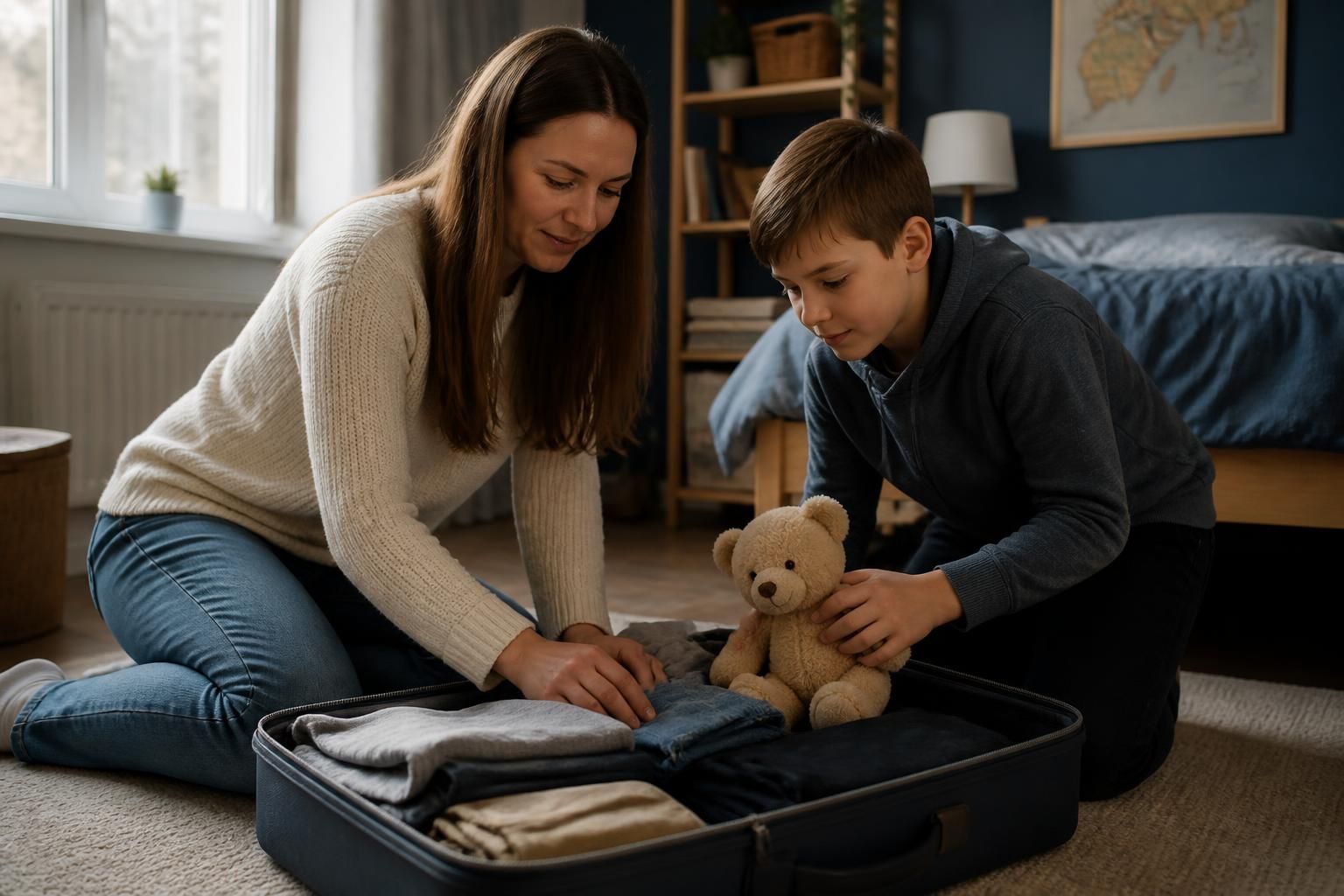
For a therapeutic placement, preparation is particularly important. The child may need a clear explanation of what will happen, visual information about the destination, opportunities to ask questions and reassurance about what will remain the same. It can help to involve them in suitable decisions, such as choosing activities or packing familiar belongings, while avoiding responsibility for decisions that adults and professionals must make.
Taking the child on holiday can work well when the trip fits their needs and the adults travelling understand the support they may require. Consider the accommodation, noise levels, privacy, access to food and medication, travel duration, supervision and opportunities for quiet time. A busy itinerary may be unsuitable if the child needs time to regulate after stimulation. Maintaining familiar routines, therapeutic approaches and agreed boundaries can make the change less disruptive.
Before travelling, check who has authority to consent to the trip and whether any additional documents are required. This is especially important for travel outside the United Kingdom. A foster carer should not assume that being approved to care for a child gives them permission to take the child abroad. The local authority and anyone with relevant parental responsibility may need to provide consent, and there may be restrictions arising from court proceedings, the child’s immigration position or safeguarding concerns. Check passport, visa, travel insurance and healthcare requirements well in advance, and keep copies of important documents securely.
When a foster carer is travelling without the child, the child should remain with people and services approved through the fostering arrangements. This may involve planned respite with another approved foster carer, or another arrangement agreed by the responsible professionals. A child should not simply be left with a relative, friend or babysitter because they are known to the household. The alternative carer will need relevant information about routines, behaviour, medication, contact, education, safety plans and therapeutic strategies.
Respite is not automatically the best option for every child. A further move may cause anxiety, affect attachment or interrupt progress in the placement. Professionals may therefore consider whether the child can safely travel with you, whether the trip should be postponed, or whether a shorter break or different arrangement would be more appropriate. The child’s views should be considered in an age-appropriate way, but the final decision must remain focused on their welfare and approved care plan.
Plan for health and safeguarding needs. Take a written medication schedule and the necessary supplies, follow any medical instructions, and identify how urgent healthcare would be accessed. Keep emergency contact details for the fostering agency, social worker and relevant services. If the child has known triggers, missing-person risks, self-harm concerns, or behaviours that require particular supervision, agree a specific safety plan before the holiday begins rather than relying on informal arrangements.
It is also sensible to agree how costs will be handled. Ask the agency or local authority which holiday-related expenses may be considered, what records or receipts are needed, and whether any part of the trip needs prior approval. Allowances and financial arrangements vary, so do not commit to an expensive plan on the assumption that it will be reimbursed.
Keep written confirmation of the agreed arrangements, including who is responsible for the child, contact details, permissions and contingency plans. If circumstances change before departure, tell the relevant professionals promptly. Careful planning allows a holiday to be considered properly without treating it as an automatic entitlement or allowing travel plans to take priority over the child’s stability and safety.

A holiday can affect everyone in the fostering household, so planning should include the needs of other children and adults as well as the foster child. Consider sleeping arrangements, privacy, supervision and how household rules will work away from home. Other children should not be expected to take on caring responsibilities or manage difficult situations.
It can also help to agree how personal information will be protected in shared accommodation or public settings. Therapeutic needs, behaviour and family circumstances should be discussed only with people who need to know, while everyone in the household understands the agreed boundaries. This supports a more predictable trip without placing responsibility for the placement on other family members.
Talk to us about holidays during a placement
If you are considering therapeutic fostering, talk to us about how holidays and time away can be planned around a child’s individual needs. We can help you understand the questions to raise with your fostering agency and the professionals involved.