
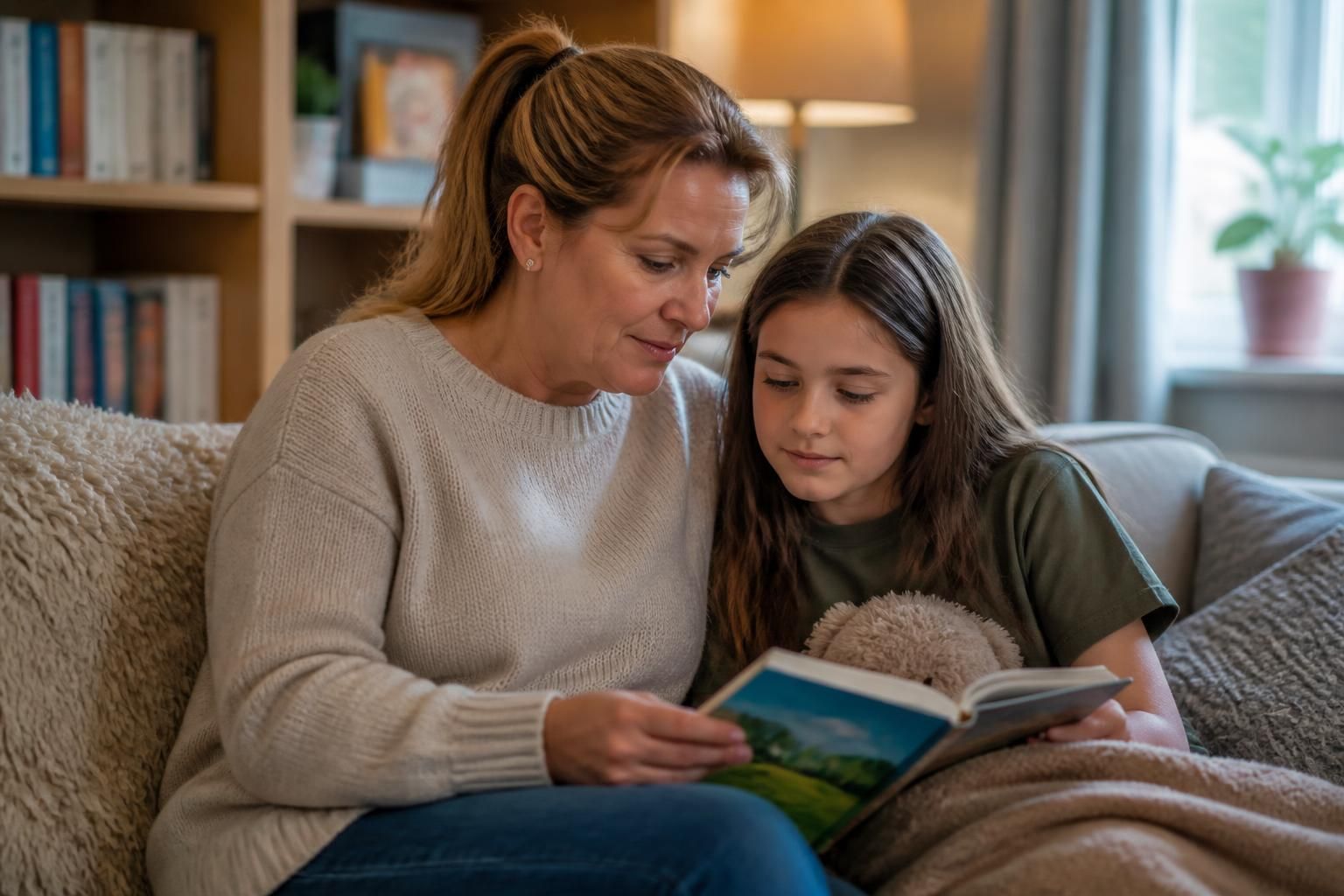
How is attachment supported in a therapeutic foster home?
Attachment is supported in a therapeutic foster home through consistent, responsive care that helps a child feel safe, understood and able to build trusting relationships. Foster carers use predictable routines, sensitive responses to behaviour and guidance from the therapeutic team to meet the child’s emotional and developmental needs.
Partnering with an
Ofsted Outstanding Provider
Attachment is supported in a therapeutic foster home through planned, relationship-based care that helps a child develop trust, emotional security and confidence in adults. This is particularly important for children who have experienced separation, neglect, abuse, disrupted placements or repeated changes in caregivers. The aim is not to make a child show affection or form a close bond immediately, but to provide the conditions in which a secure relationship can develop at the child’s pace.
Foster carers are helped to understand how attachment experiences can affect a child’s behaviour. A child may appear distant, reject comfort, become unusually controlling, or move quickly between seeking closeness and pushing adults away. These responses can be ways of managing fear, uncertainty or previous experiences of adults not being dependable. Carers consider what the behaviour may be communicating, rather than treating it simply as disobedience or deliberate rejection.
Attachment-informed care usually includes:
- Emotionally available caregiving: the carer remains attentive to the child’s feelings and shows that difficult emotions can be managed safely.
- Co-regulation: an adult helps the child settle when they are distressed, overwhelmed or unable to manage their feelings independently. This may involve calm conversation, reducing stimulation, offering space or staying nearby, depending on the child’s preferences and plan.
- Repair after difficult moments: disagreements and incidents are revisited when the child is ready. The carer can acknowledge their own part, explain what happened and show that a strained interaction does not mean the relationship has ended.
- Respect for boundaries: physical contact, personal space and conversations about feelings are approached sensitively. The child’s wishes, age, communication style and history are taken into account.
- Opportunities for shared connection: ordinary activities such as preparing food, travelling, reading, hobbies or completing schoolwork can create repeated opportunities for safe interaction without putting pressure on the child to talk about their experiences.
The therapeutic approach also recognises that trust is built through many small interactions rather than one conversation or activity. Carers may need to repeat explanations, offer choices, give advance notice of changes and make clear what will happen next. Where a child tests boundaries, the response can combine warmth with appropriate limits. This shows that adults can be caring and reliable while still providing safe structure.
Each child’s attachment needs are considered individually. A therapeutic foster care plan may identify situations that are particularly difficult, signs that the child is becoming anxious, approaches that help them recover and ways adults should respond. It may also cover how carers can encourage independence without withdrawing support too quickly. The plan should reflect the child’s developmental stage, communication needs, relationships with birth family and any relevant professional assessments.
Foster carers do not have to interpret every situation alone. They can use supervision, training and guidance from the therapeutic team to think through patterns in the child’s behaviour and decide how to respond. This may include reflecting on what happened before an incident, how the child and carer each reacted, and what could help the next interaction go differently. Such support also helps carers manage their own feelings, because rejection, conflict or a lack of visible progress can be difficult to experience.
Contact with birth parents, relatives or other important people is considered carefully because it can affect a child’s sense of security. Adults involved in the child’s care may need to agree how contact is prepared for, discussed afterwards and recorded. A carer can acknowledge mixed feelings without asking the child to choose between important relationships. Information is shared in line with the child’s care arrangements and professional guidance.
Progress in attachment is not measured only by whether a child becomes openly affectionate. Relevant signs may include accepting help, recovering more readily after distress, seeking an adult appropriately, expressing preferences, tolerating ordinary boundaries or beginning to trust that relationships can survive mistakes. Some children may show progress in subtle ways, and changes may not be consistent at first. The care plan is therefore reviewed with the relevant professionals so that support can be adjusted when the child’s needs, behaviour or circumstances change.
Therapeutic foster care cannot remove a child’s previous experiences, and attachment develops over time. Its purpose is to give the child repeated experiences of respectful relationships, dependable adult care and supported emotional regulation, while ensuring that the foster carer has the preparation and professional help needed to provide that care safely.

Attachment can also be supported by helping a child maintain a sense of identity and continuity. This may include respecting their cultural background, keeping familiar routines, recognising important relationships and using approved life-story work to help them understand their experiences. These activities should be introduced at the child’s pace and in line with their care plan.
When foster carers show that a child’s history and existing relationships are accepted, the child does not have to feel that forming a new relationship means losing important parts of their past. Everyday conversations, photographs, familiar traditions or carefully planned contact can help the child feel known as an individual. The therapeutic team can guide carers where these subjects bring up distress, confusion or divided loyalties.
Learn more about therapeutic fostering
If you are considering therapeutic fostering, explore the preparation, support and responsibilities involved before deciding whether it is right for your household. Contact the Become A Foster Family team to discuss your questions and next steps.